
The AI Valuation Bubble and Its Implications for Tech Equity Markets


 Aime Summary
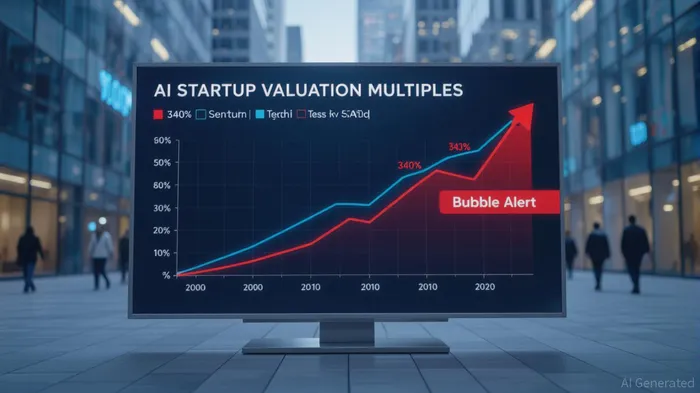
A Bubble in the Making?
The parallels to the 2000 dotcom crash are striking. During that period, tech stocks traded at over double the valuation of broader markets, , according to a . Today, , , the sector's balance sheets are stronger, per the Janus Henderson report. Yet, , as reported by a TechSpot analysis. The sector's reliance on speculative metrics (e.g., , according to the PwC analysis.
The risks are compounded by macroeconomic headwinds. Inflation and deglobalization have created a less forgiving environment for speculative bets compared to the 1990s, according to a Guardian article. Meanwhile, , creating a concentration risk that could amplify a potential correction, as noted in the Guardian article.
Hedging Strategies for a Volatile Sector
Investors must adopt disciplined hedging strategies to navigate AI's volatility. Diversification remains paramount. While AI infrastructure firms (e.g., chipmakers like TSMC) offer more stable growth, , according to a Yahoo Finance report. Allocating to foundational suppliers rather than speculative AI startups can mitigate downside risk, as suggested in a WRLA article.
Derivative instruments also provide a safety net. Short positions or inverse ETFs can hedge against sharp corrections, while options strategies (e.g., protective puts) offer downside protection. For example, BigBear.ai, a defense-focused AI provider, , making it a potential hedge against overconcentration in large-cap AI firms, according to a TechSpot analysis.
Lessons from the Past
The 2008 financial crisis offers instructive parallels. During that crisis, , outperforming nearly all other strategies, according to a IG article. Similarly, trend-following strategies in commodities and currencies thrived amid volatility, as noted in a ResearchGate study. For AI investors, this suggests the value of adaptive, macro-aware strategies.
Sector-specific tactics from 2008 also apply. During the crisis, FinTech emerged as a risk-mitigation tool, offering alternative lending solutions and robo-advisory services, as noted in a Springer book chapter. Today, AI-driven FinTech platforms could similarly diversify portfolios, though investors must remain wary of regulatory and cybersecurity risks, as noted in the Springer book chapter.
The Path Forward
The AI sector's long-term potential is undeniable, but its current valuations demand caution. Investors should prioritize companies with sustainable business models, such as those leveraging AI for cost optimization (e.g., cloud infrastructure providers), as noted in a Grant Thornton report. Stress-testing valuation models against economic downturns and geopolitical shifts is also critical, as suggested in the Grant Thornton report.
For those willing to take calculated risks, the key lies in balancing optimism with pragmatism. As one industry analyst notes, "The AI revolution is here, but not all boats are built to sail the same storm," as reported in the WRLA article.

Delivering real-time insights and analysis on emerging financial trends and market movements.
Latest Articles
Stay ahead of the market.
Get curated U.S. market news, insights and key dates delivered to your inbox.




Comments
No comments yet