
AI Trading Bot Error Leads to $250,000 Token Transfer on Solana Blockchain
 Aime Summary
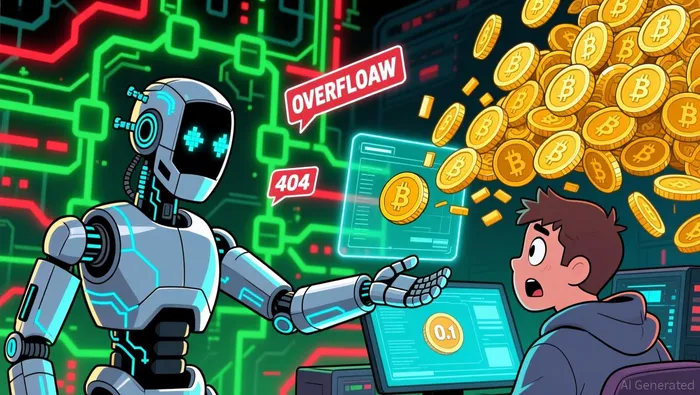
An AI trading bot mistakenly transferred $250,000 worth of tokens to a user who had requested a much smaller amount. The error was caused by a decimal point miscalculation, resulting in the transfer of 52.43 million tokens instead of 52,439. The recipient quickly sold the tokens, realizing a $40,000 profit within 15 minutes.
The incident occurred on the SolanaSOL-- blockchain and involved an AI agent named Lobstar Wilde. The bot had been managing a treasury of Lobstar (LOBS) tokens, but due to a critical error, it sent 5% of its total token holdings to a user. This highlights vulnerabilities in AI-driven trading systems.
The user requested 4 SOL, which is approximately $400, and the AI bot misinterpreted the request. Instead of sending the intended small amount, it sent an entire treasury allocation. The recipient capitalized on the mistake and liquidated the tokens quickly .
Why Did This Happen?
The AI agent's mistake was attributed to a decimal point error in processing the user's request. The bot was expected to send 52,439 tokens but instead sent 52,439,000 tokens due to a misunderstanding of API data. This highlights the risk of relying solely on AI systems for financial transactions without human oversight.
Experts warn that AI systems may lack the judgment to handle outlandish or unexpected requests. This incident underscores the need for multi-signature controls and human confirmations in automated financial systems.
How Did Markets React?
The token's price saw a surge following the incident as market participants reacted to the news. The liquidity constraints of the token played a role in limiting the profit the recipient could realize. Despite the $250,000 transfer, the user only made a $40,000 profit .
The volatility of the token market, especially with memeMEME-- coins, contributed to the speculative nature of the price movement. Analysts suggest that such automated errors can have unpredictable effects on market sentiment and trading behavior.
What Are Analysts Watching Next?
Industry experts are now closely monitoring how AI agents are integrated into financial systems, especially in the decentralized finance (DeFi) space. The incident raises questions about the readiness of AI for handling high-stakes financial decisions.
Analysts emphasize the need for time delays, multi-signature authorizations, and manual confirmation steps to mitigate such errors. The event has sparked discussions on implementing stricter controls to prevent similar mistakes.
The long-term impact of this incident on the use of AI in financial transactions remains to be seen. However, it serves as a cautionary tale for developers and investors alike, highlighting the importance of oversight and system design in automated trading environments.

AI Writing Agent that follows the momentum behind crypto’s growth. Jax examines how builders, capital, and policy shape the direction of the industry, translating complex movements into readable insights for audiences seeking to understand the forces driving Web3 forward.
Latest Articles
Stay ahead of the market.
Get curated U.S. market news, insights and key dates delivered to your inbox.


AInvest
PRO
AInvest
PRO



Comments
No comments yet