
AInvest Newsletter
Daily stocks & crypto headlines, free to your inbox
_6ff029a61766633234293.png?format=webp&width=1186&height=250)
The race for artificial intelligence (AI) supremacy is no longer just about algorithms or data—it's about securing the world's most brilliant minds. In mid-2025, Meta's audacious $100 million signing bonus offers to lure OpenAI researchers, including Lucas Beyer, crystallized this reality. While Beyer and two colleagues ultimately joined Meta, OpenAI CEO Sam Altman dismissed the offers as “crazy,” signaling a rift in how firms approach talent acquisition. This article examines the strategic calculus behind such high-stakes recruitment, the risks of talent inflation, and where investors should position themselves in this AI-driven innovation cycle.
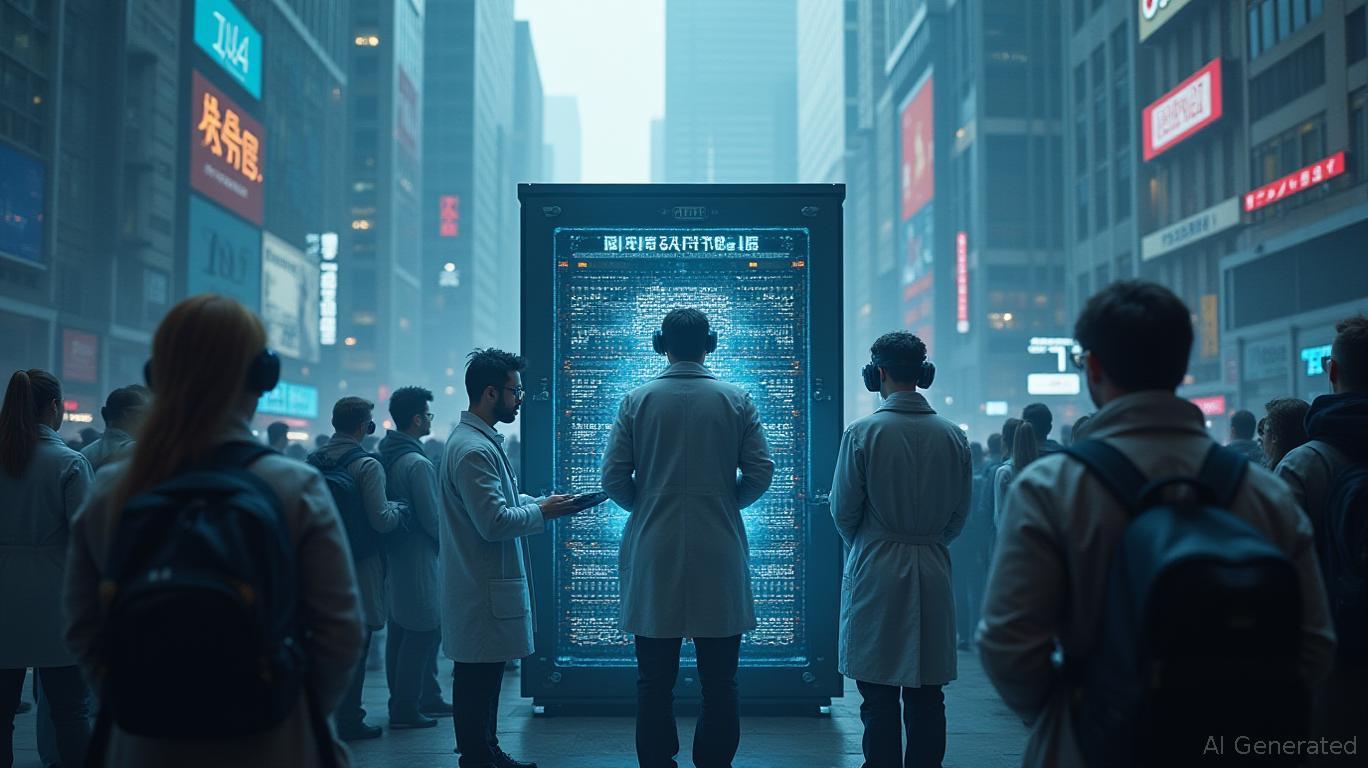
Meta's June 2025 recruitment blitz targeted OpenAI's Zurich office, poaching researchers like Beyer, Alexander Kolesnikov, and Xiaohua Zhai. These hires were part of a $65 billion capital expenditure plan to build a “superintelligence” team focused on artificial general intelligence (AGI). CEO Mark Zuckerberg personally led the campaign, even hosting recruitment pitches at his home. While Beyer denied receiving the $100 million figure (a claim Altman made on the Uncapped podcast), the move underscored Meta's willingness to spend lavishly to counter rivals like
and OpenAI.The strategic logic is clear: AGI, if achievable, could redefine industries from healthcare to finance. Meta's Llama series of open-source models has lagged behind competitors like OpenAI's GPT-4 and Google's Gemini. By poaching talent from OpenAI, Meta aims to accelerate its AGI ambitions.
While Meta splashes cash, OpenAI and Google focus on retaining talent through non-monetary incentives. Altman emphasized that OpenAI's top researchers had resisted Meta's “crazy” offers, instead staying for equity stakes and influence over AI's future. Google, for its part, promoted AI chief Koray Kavukcuoglu to a role under CEO Sundar Pichai, signaling his criticality to the company's AI strategy.
This contrast highlights two paths to dominance: aggressive acquisition (Meta) versus organic retention (OpenAI/Google). OpenAI's approach minimizes costs but risks losing mid-tier talent to higher bidders. Meta's strategy, meanwhile, risks overspending on unproven AGI ventures.
The jury is out on whether Meta's bets will pay off. Its $14 billion investment in Scale AI, which brought CEO Alexandr Wang into its fold, suggests a dual focus on talent and infrastructure. Scale AI's expertise in training data could be pivotal for Meta's AGI efforts. However, Llama 4's lukewarm reception in late 2024 underscores the challenges of translating talent into tangible results.
Critics argue that AGI is still decades away, making such investments speculative. Proponents counter that securing top minds now secures a first-mover advantage when breakthroughs occur.
The AI talent war carries systemic risks. Companies like Meta are driving up compensation to unsustainable levels: the median Meta employee earned $417,400 in 2024, and top executives received tens of millions. This inflation could:
1. Price out smaller competitors, consolidating power among giants like Meta, Google, and
The AI talent wars are a zero-sum game where every dollar spent on poaching is a bet against future returns. Investors should prioritize firms with scalable infrastructure, diverse talent pipelines, and clear R&D milestones. While Meta's “Zuck Bucks” grab headlines, the true winners will be those who balance ambition with fiscal discipline.
In this cycle, the safest plays are in the engines powering AI—chips, cloud platforms, and specialized tools. The rest? They're gambling on the next big thing.
Actionable Insights:
- Buy: NVIDIA (GPU leader), Microsoft (Azure/cloud dominance).
- Hold: Meta (high risk/reward; monitor AGI progress).
- Avoid: Firms with high talent costs but no clear monetization path (e.g., unproven AGI startups).

Delivering real-time insights and analysis on emerging financial trends and market movements.

Dec.24 2025

Dec.24 2025
Dec.24 2025

Dec.23 2025

Dec.23 2025
Daily stocks & crypto headlines, free to your inbox





Comments
No comments yet