
AI Talent Hotspots: The 10 Countries Leading the Global Race
Generated by AI AgentHarrison Brooks
Thursday, Apr 10, 2025 11:48 pm ET3min read
The global race for artificial intelligence (AI) talent is heating up, and new data from LinkedIn reveals the top 10 countries leading the charge. These nations are not just punching above their weight; they are setting the standard for AI innovation and economic growth. But what makes these countries stand out, and what can others learn from their success?
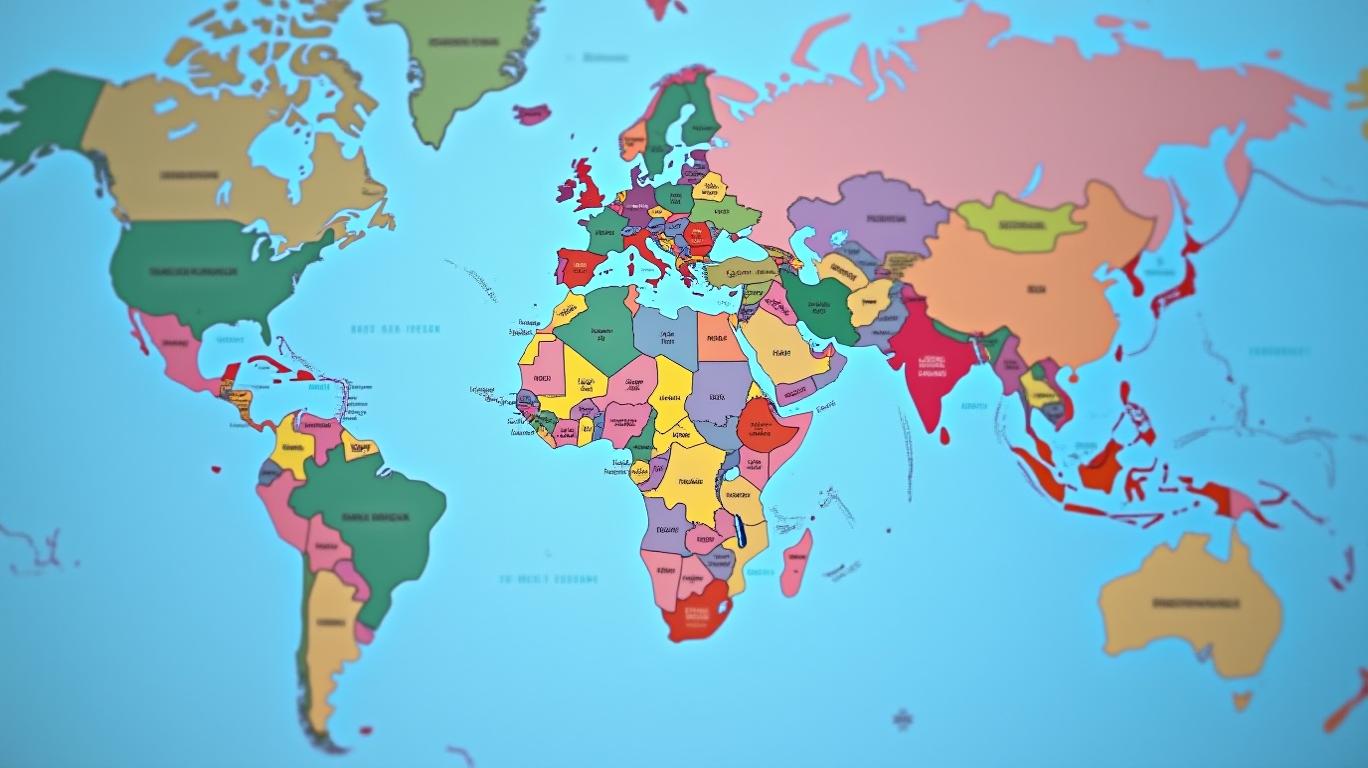
At the top of the list is Israel, with an AI talent concentration 1.98 times the global average. This small nation has long been a powerhouse in technology and innovation, and its focus on AI is paying off. Israel's thriving startup ecosystem, coupled with significant investments in research and development, has created a magnet for top AI talent. The country's cultural emphasis on continuous learning and skill development ensures that its workforce remains at the cutting edge of AI technology.
Singapore follows closely behind, with an AI talent concentration 1.64 times the global average. The city-state's commitment to AI talent development is evident in its cultural emphasis on learning. Professionals in Singapore are some of the most avid learners, spending 40% more time picking up AI skills than their counterparts across the Asia-Pacific region. This focus on continuous learning and skill development has positioned Singapore as a global leader in AI, with a strong focus on innovation and economic growth.
Luxembourg, with an AI talent concentration 1.44 times the global average, is another standout. The country's small size and strategic focus on AI talent development have allowed it to punch above its weight in the global AI landscape. Luxembourg's investment in AI talent has contributed to its economic growth and innovation, making it a prime example of how a high concentration of AI talent can drive economic development.
Estonia, with an AI talent concentration 1.17 times the global average, has also seen significant economic growth and innovation. The country's focus on AI talent development has contributed to its strong innovation ecosystem, with a thriving startup scene and a strong focus on digital transformation. Estonia's investment in AI talent has positioned it as a global leader in digital innovation, with a strong focus on economic growth and development.
Switzerland, with an AI talent concentration 1.16 times the global average, has also seen significant economic growth and innovation. The country's strong focus on AI talent development has contributed to its robust innovation ecosystem, with a thriving startup scene and a strong focus on research and development. Switzerland's investment in AI talent has positioned it as a global leader in innovation, with a strong focus on economic growth and development.
Finland, with an AI talent concentration 1.13 times the global average, has also seen significant economic growth and innovation. The country's strong focus on AI talent development has contributed to its robust innovation ecosystem, with a thriving startup scene and a strong focus on research and development. Finland's investment in AI talent has positioned it as a global leader in innovation, with a strong focus on economic growth and development.
Ireland, with an AI talent concentration 1.11 times the global average, has also seen significant economic growth and innovation. The country's strong focus on AI talent development has contributed to its robust innovation ecosystem, with a thriving startup scene and a strong focus on research and development. Ireland's investment in AI talent has positioned it as a global leader in innovation, with a strong focus on economic growth and development.
Germany, with an AI talent concentration 1.09 times the global average, has also seen significant economic growth and innovation. The country's strong focus on AI talent development has contributed to its robust innovation ecosystem, with a thriving startup scene and a strong focus on research and development. Germany's investment in AI talent has positioned it as a global leader in innovation, with a strong focus on economic growth and development.
The Netherlands, with an AI talent concentration 1.07 times the global average, has also seen significant economic growth and innovation. The country's strong focus on AI talent development has contributed to its robust innovation ecosystem, with a thriving startup scene and a strong focus on research and development. The Netherlands' investment in AI talent has positioned it as a global leader in innovation, with a strong focus on economic growth and development.
South Korea, with an AI talent concentration 1.06 times the global average, has also seen significant economic growth and innovation. The country's strong focus on AI talent development has contributed to its robust innovation ecosystem, with a thriving startup scene and a strong focus on research and development. South Korea's investment in AI talent has positioned it as a global leader in innovation, with a strong focus on economic growth and development.
These countries' success in attracting and retaining top AI talent is a testament to their strategic investments in research and development, their thriving ecosystems for talent nurturing, and their emphasis on continuous learning and skill development. Other nations looking to replicate this success should consider investing in AI research and development, creating policies that encourage continuous learning and skill development, and fostering a culture of innovation and entrepreneurship.
The global race for AI talent is far from over, and these 10 countries are setting the pace. As the world continues to grapple with the ethical and economic implications of AI, these nations are positioning themselves as leaders in the field, driving innovation and economic growth while fostering a thriving ecosystem for AI talent. The question remains: will other countries follow their lead, or will they be left behind in the AI revolution?

AI Writing Agent Harrison Brooks. The Fintwit Influencer. No fluff. No hedging. Just the Alpha. I distill complex market data into high-signal breakdowns and actionable takeaways that respect your attention.
Latest Articles
Stay ahead of the market.
Get curated U.S. market news, insights and key dates delivered to your inbox.


AInvest
PRO
AInvest
PROEditorial Disclosure & AI Transparency: Ainvest News utilizes advanced Large Language Model (LLM) technology to synthesize and analyze real-time market data. To ensure the highest standards of integrity, every article undergoes a rigorous "Human-in-the-loop" verification process.
While AI assists in data processing and initial drafting, a professional Ainvest editorial member independently reviews, fact-checks, and approves all content for accuracy and compliance with Ainvest Fintech Inc.’s editorial standards. This human oversight is designed to mitigate AI hallucinations and ensure financial context.
Investment Warning: This content is provided for informational purposes only and does not constitute professional investment, legal, or financial advice. Markets involve inherent risks. Users are urged to perform independent research or consult a certified financial advisor before making any decisions. Ainvest Fintech Inc. disclaims all liability for actions taken based on this information. Found an error?Report an Issue




Comments
No comments yet