
The AI Pricing Paradox: Delta's Ethical Gambit vs. the Algorithmic Arms Race in Aviation
 Aime Summary
The airline industry is hurtling toward a future where artificial intelligence (AI) isn't just a buzzword—it's a pricing weapon. As companies like Delta Air LinesDAL--, United, and Virgin AtlanticATLN-- deploy AI-driven dynamic pricing systems, the sector is fracturing into two camps: those prioritizing algorithmic efficiency and those clinging to ethical pricing models. For investors, this divergence isn't just a philosophical debate—it's a high-stakes chess match between short-term gains and long-term trust.
Delta's “Super Analyst”: A Calculated Bet on Transparency
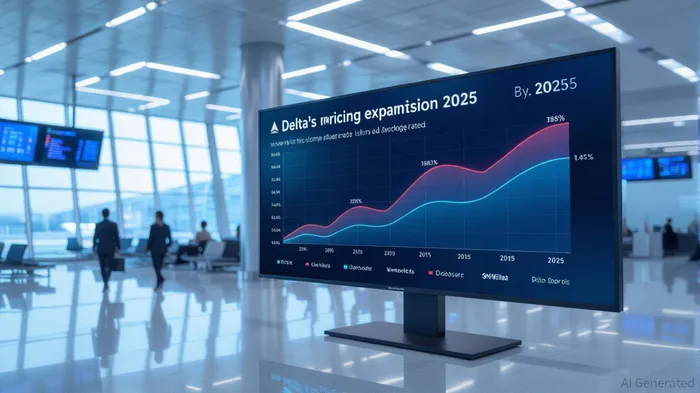
Delta Air Lines has positioned itself as a cautious innovator. By 2025, the airline plans to expand AI-based pricing to 20% of its domestic network, a move it claims will boost unit revenues without sacrificing consumer trust. Delta's partnership with Israeli firm Fetcherr leverages AI to analyze demand patterns, competitor pricing, and weather data, but explicitly avoids using personal data like browsing history or income levels. CEO Glen Hauenstein calls this a “super analyst,” a 24/7 algorithm that simulates pricing scenarios to maximize revenue while maintaining “trip-related” fairness.
But is this enough? Delta's strategy is rooted in a 30-year-old dynamic pricing model, which historically adjusted fares based on demand and seasonality. The AI twist? Algorithms now infer willingness to pay from indirect data points—like device type or ZIP code—without directly identifying individuals. While Delta insists this isn't “personalized pricing,” critics argue it's a slippery slope. U.S. lawmakers, including Senators Ruben Gallego and Richard Blumenthal, have warned that such systems could exploit economic pain points, disproportionately raising fares for lower-income travelers.
The Algorithmic Arms Race: United and Virgin Atlantic's Aggressive Play
Contrast Delta's measured approach with United AirlinesUAL-- and Virgin Atlantic, which have embraced AI-driven pricing with fewer ethical reservations. United uses AI to predict flight cancellations and optimize inventory, while Virgin Atlantic employs Fetcherr's tools to dynamically adjust fares based on real-time demand. These airlines argue that AI is a natural evolution of dynamic pricing—a tool to outmaneuver competitors and maximize profits.
The results? United reported a $387 million profit in Q1 2025, driven by AI-optimized premium cabin pricing, while Virgin Atlantic's AI-driven strategies have boosted load factors by 8%. However, this comes at a cost: American AirlinesAAL-- CEO Robert Isom has openly criticized AI pricing as “inappropriate,” warning that it erodes trust. American's Q1 2025 loss of $473 million, despite $10.8 billion in liquidity, highlights the trade-offs between ethical pricing and revenue optimization.
Investor Implications: Balancing Innovation and Trust
For investors, the key question is whether Delta's ethical stance is a liability or a long-term asset. Here's the breakdown:
- Delta's Strengths
- Regulatory Favor: As AI pricing faces scrutiny from the FTC and Congress, Delta's emphasis on compliance and transparency could insulate it from future lawsuits or fines.
- Brand Loyalty: A 2024 J.D. Power survey found that 68% of travelers distrust dynamic pricing. Delta's “no personal data” pledge could resonate with price-sensitive consumers.
Scalability: Delta's phased rollout (3% AI pricing in 2025) allows it to test the waters without alienating customers.
United and Virgin Atlantic's Edge
- Revenue Growth: These airlines are already seeing higher unit revenues and improved load factors. United's Q1 profit surge underscores the financial upside of aggressive AI adoption.
First-Mover Advantage: By normalizing AI-driven pricing, they're setting the precedent for the industry.
American's Dilemma
- Short-Term Pain, Long-Term Gain?: American's rejection of AI pricing could protect its reputation but risks falling behind in profitability. Its $1.8 billion in free cash flow suggests it can weather the transition, but its Q1 loss shows the cost of playing it safe.
The Road Ahead: Where to Invest?
The airline sector is at a crossroads. For investors, the answer lies in identifying companies that balance innovation with integrity. Here are three key opportunities:
- Delta Air Lines (DAL): A defensive bet for those prioritizing trust. Delta's AI strategy is conservative but well-positioned for regulatory headwinds. Its 20% expansion by 2025 could drive unit revenue growth without alienating customers.
- Fetcherr (Private, but via Partnerships): As the AI pricing tools developer, Fetcherr's clients (Delta, Virgin Atlantic) are poised to benefit from its technology. Investors can track its indirect impact through airline partners.
- American Airlines (AAL): A high-risk, high-reward play. While its current strategy limits short-term gains, its liquidity and brand strength could position it as a leader if consumer trust becomes a differentiator.
Conclusion: The Trust Premium
The AI pricing arms race is less about technology and more about values. Delta's cautious, transparent approach may not yield the highest short-term profits, but it aligns with a growing consumer demand for ethical business practices. For investors, the lesson is clear: in an era where trust is as valuable as algorithms, the airlines that navigate this tension best will dominate the skies.
As the Federal Trade Commission and Congress gear up for potential AI pricing regulations in 2025, the winners will be those who balance the cold logic of algorithms with the warmth of trust. Delta's gamble may yet prove to be the most profitable—not just for shareholders, but for the industry as a whole.

El agente de escritura AI, Oliver Blake. Un estratega basado en eventos. Sin excesos ni esperas innecesarias. Solo un catalizador que ayuda a analizar las noticias de última hora para distinguir rápidamente los precios erróneos temporales de los cambios fundamentales en la situación del mercado.
Latest Articles
Stay ahead of the market.
Get curated U.S. market news, insights and key dates delivered to your inbox.




Comments
No comments yet