
AI Giants Preview: Capex and AI Monetization Under the Spotlight


The three AI giants — MicrosoftMSFT--, GoogleGOOGL--, and MetaMETA-- — are set to report their Q3 earnings, drawing the full attention of global investors.
Although their business models differ, they share a common focus: capital expenditure and AI monetization progress. One thing is certain — tech giants will sharply raise CapEx, as no one can afford to lag behind in the AI race.
AI monetization remains the key challenge. A widely cited MIT study shows that among over 300 AI projects, only about 5% achieved measurable returns, while most remained at the pilot stage due to poor integration into workflows.
Whether these rising capital expenditures can translate into real business growth — that’s the question Q3 earnings must answer.

Microsoft: Azure Growth Is Key, Copilot Monetization in Focus
The biggest highlight in Microsoft’s earnings will be its Azure cloud business, which the market expects to grow 37% year-on-year.
Azure’s computing capacity has long been in short supply. In Q2, Microsoft’s unfulfilled Azure contracts reached $370 billion, as many enterprises using Microsoft’s ecosystem naturally migrated workloads to Azure, strengthening its synergy. CFO Amy Hood admitted demand continues to outstrip supply — a gap that may persist until next year.
Just yesterday, OpenAI announced an additional $250 billion purchase of Azure services. In return, Microsoft relinquished its priority access rights, allowing OpenAI to co-develop with third parties. However, any third-party APIs will remain Azure-exclusive. Microsoft also extended its access to OpenAI’s technology until 2032.
With OpenAI’s massive order, Azure’s backlog has surged, giving investors more visibility into Microsoft’s growth.
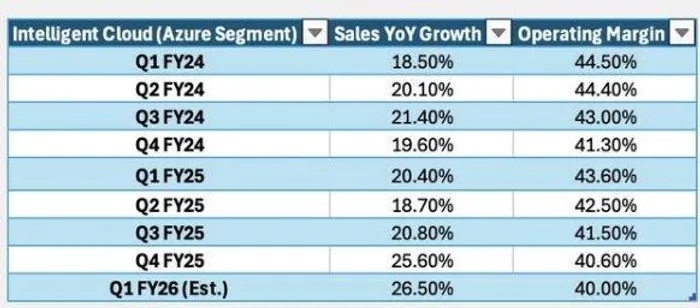
Beyond Azure, another key metric is the monetization of Microsoft’s Copilot assistant.
Despite recent price hikes across Office 365, user growth has not slowed. GitHub Copilot now exceeds 20 million users, making it the fastest-growing commercial product in Microsoft’s history. Office 365 revenue rose 17% YoY, with personal subscriptions up 21%, showing strong demand from individuals willing to pay for productivity.
Google & Meta: Can AI Boost Core Ad Businesses?
Compared with Microsoft’s diversified model, Google and Meta remain largely ad-driven. Google still has its cloud story to tell, but Meta is almost a pure advertising company.
Let’s start with Google. Its two growth engines — Google Cloud and Ads — remain strong. Google Cloud revenue is forecast to rise 29.1% YoY, with margins improving due to economies of scale and higher-value services. Profit growth now exceeds revenue growth — a defining feature of the division.
In the global cloud race, AWS, Azure, and Google Cloud form a three-horse competition. Google, the smallest of the three, also has the largest growth potential.
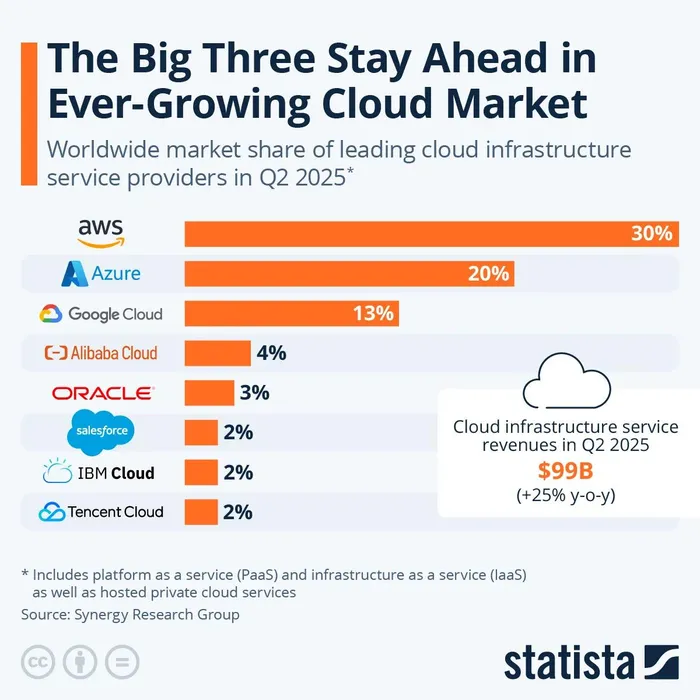
A case in point: Google recently signed a major deal with Anthropic, providing up to 1 million custom TPU chips worth tens of billions of dollars. Amazon’s AWS had been Anthropic’s primary cloud provider, but Google’s entry breaks that exclusivity.
As for advertising, growth momentum remains solid. Google’s deep integration of Chrome and Search continues to form a powerful moat. According to StatCounter, Google commands 90.4% of the global search market, while Microsoft’s Bing holds only 4.08%. For advertisers, Google remains an unavoidable choice.
The growing adoption of Gemini AI also reinforces Google’s dominance. Google has now integrated AI features across Search to improve user experience and ad efficiency.
Meta: AI-Driven Ad Efficiency and Next-Gen Devices
Meta’s ad performance continues to improve thanks to AI-driven targeting. Its social platforms remain dominant with no true competitor in sight, supporting stable ad revenue growth.
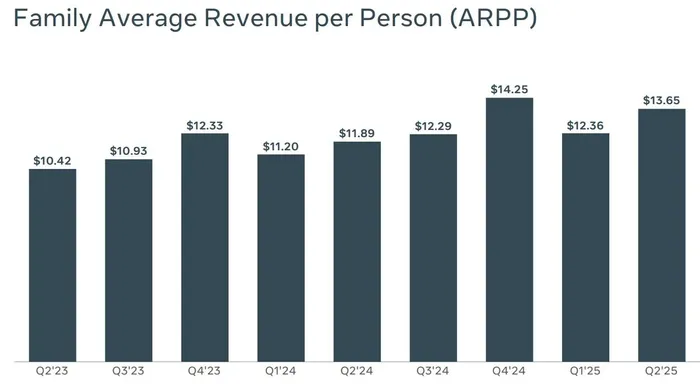
Although metaverse and VR/AR revenues remain small, Meta’s AI-powered smart glasses could become a crucial entry point for the next generation of AI hardware. Apple’s decision to abandon bulky headsets in favor of AI glasses validates this direction — and Meta is clearly leading this race.

Expert analysis on U.S. markets and macro trends, delivering clear perspectives behind major market moves.
Latest Articles
Stay ahead of the market.
Get curated U.S. market news, insights and key dates delivered to your inbox.




Comments
No comments yet