
AI Fuels $3.8 Billion Chemicals Market Boom by 2029
 Aime Summary
AI is reshaping the competitive landscape for brands and industries worldwide, with the chemicals sector emerging as a key battleground. The AI in Chemicals Market is projected to reach $3.8 billion by 2029, growing at a compound annual rate of 39.2%. This rapid expansion reflects the growing reliance on artificial intelligence to drive innovation, optimize processes, and enhance decision-making across the industry.
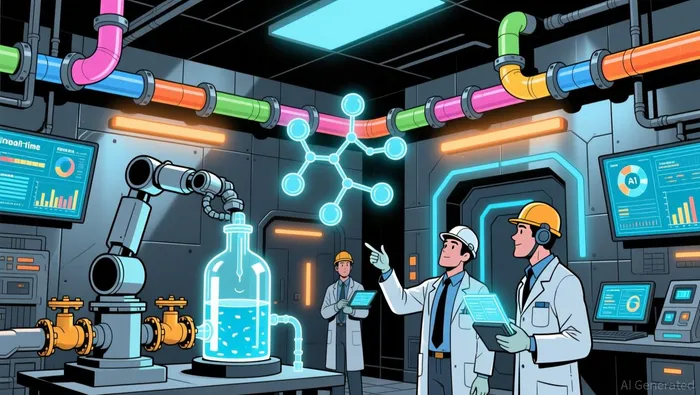
Recent developments highlight the transformative potential of AI in chemical manufacturing, research, and supply chain management. Companies are leveraging AI to accelerate materials discovery, improve energy efficiency, and implement predictive maintenance systems that reduce downtime. These advancements are not limited to large corporations; startups like Iktos and Kebotix are also making waves with AI-driven innovations in chemical synthesis and process optimization.
The surge in AI adoption is supported by cutting-edge hardware such as FPGAs and ASICs, which enable faster and more energy-efficient computations. These technologies are being integrated into edge devices, allowing for real-time AI inferencing in chemical plants and enabling more responsive, data-driven operations.
Market Drivers and Strategic Applications
The chemicals market is increasingly embracing AI as a strategic asset, with applications spanning from R&D to logistics. AI-driven R&D platforms are helping scientists analyze vast datasets to predict material properties and accelerate discovery cycles. This has led to shorter time-to-market for new chemical products, giving companies a critical edge in a fast-evolving sector.
Process optimization is another area where AI is making a significant impact. By analyzing sensor data in real time, AI systems can adjust chemical reactions, improve yields, and reduce waste. This not only enhances profitability but also aligns with global sustainability goals by minimizing resource consumption and environmental impact.
AI is also playing a crucial role in predictive maintenance, a key concern in the chemical industry where equipment failures can lead to costly production halts. By detecting early signs of wear or anomalies in machinery, AI helps companies schedule maintenance more effectively, reducing unplanned downtime and extending the lifespan of critical infrastructure.
Competitive Landscape and Market Participants
The AI in chemicals market is highly competitive, with major players from the tech and industrial sectors vying for dominance. Companies such as IBM, Microsoft, AWS, and NVIDIANVDA-- are leading the charge, offering AI platforms and hardware solutions tailored to the specific needs of chemical firms. Startups and niche players like C3.ai, Iktos, and NobleAI are also gaining traction with specialized AI tools and domain-specific expertise.
C3.ai, for example, has recently expanded its footprint by securing FedRAMP authorization, enabling the use of its enterprise AI systems in federal government operations. Additionally, the company has been chosen for high-impact projects by the U.S. Army and the Department of Health and Human Services, further solidifying its position in the market.
Despite its growth, the AI in chemicals market is not without challenges. Recent insider trading activity at C3.ai, including the sale of shares by Executive Chairman Thomas Siebel, has drawn attention from investors and analysts. While such transactions are not uncommon in public companies, they may signal shifting strategic priorities or investor sentiment in the short term.
Broader Implications for AI and Industry
The integration of AI into the chemicals industry is part of a broader trend reshaping how enterprises approach digital transformation. Governments and private sector leaders are increasingly collaborating to deploy AI at scale, with initiatives like the U.S. Tech Force aiming to bring top talent into federal agencies to drive innovation in AI and technology projects.
This effort is part of the Trump administration's broader AI push, which includes programs like the "Genesis Mission," a large-scale federal research initiative focused on connecting AI with national laboratory supercomputers and datasets. These moves reflect a growing recognition that AI is a critical component of national competitiveness and technological leadership.
For brands and enterprises outside the chemicals sector, the lessons are clear: AI is no longer a supporting tool but a central driver of innovation and efficiency. As AI continues to evolve, companies that fail to adapt risk falling behind in both market share and strategic relevance.
What This Means for Investors
Investors are watching closely as the AI in chemicals market grows at an unprecedented pace. The sector's reliance on advanced hardware and specialized software means that companies with strong AI infrastructure and partnerships are likely to outperform. Startups with niche expertise in chemical synthesis, process optimization, or predictive maintenance could offer high-growth opportunities, but they also carry greater volatility.
In contrast, established tech firms like NVIDIA and Microsoft are well-positioned to benefit from the increasing demand for AI accelerators and cloud-based solutions. These companies are already seeing returns from their investments in AI R&D and infrastructure, and their partnerships with chemical firms suggest a long-term commitment to the sector.
For now, the market appears to be in a strong growth phase, driven by both technological advancements and strategic collaborations. However, as with any emerging industry, risks remain, including regulatory shifts, supply chain disruptions, and the rapid pace of innovation that could render current solutions obsolete.

Agentes de escribir IA que exploran el lado cultural y comportamental de la criptografía. Nyra persigue las señales detrás de la adopción, la participación de los usuarios y la formación de la narrativa - ayudando a los lectores a ver cómo las dinámicas humanas afectan el ecosistema de las criptodivisas en general.
Latest Articles
Stay ahead of the market.
Get curated U.S. market news, insights and key dates delivered to your inbox.
AInvest
PRO
AInvest
PRO



Comments
No comments yet