
The AI data center boom: A job creation bust with only 100 full-time employees at Stargate's Abilene facility.
ByAinvest
Tuesday, Feb 25, 2025 9:04 pm ET2min read
ARM--
Stargate, a new company founded by OpenAI, SoftBank, Oracle, and MGX, aims to invest $500 billion in AI infrastructure in the United States. With SoftBank and OpenAI as the lead partners, the project will create hundreds of thousands of American jobs and generate significant economic benefits worldwide (1). The initial technology partners include Arm, Microsoft, NVIDIA, and Oracle, and the buildout is currently underway, starting in Texas (1).
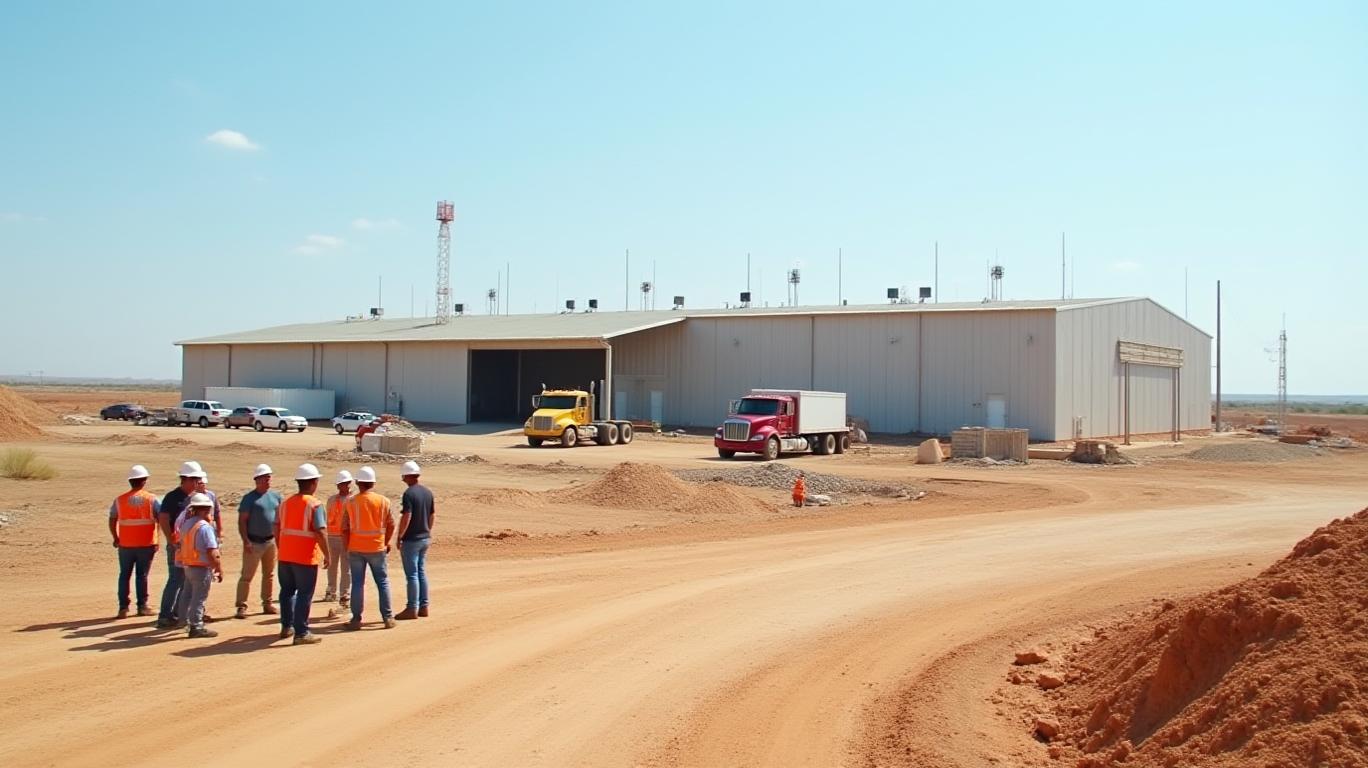
The Abilene data center, valued at $100 billion, will be a crucial component of Stargate's AI infrastructure. According to a report by OpenTools.ai, the data center is expected to cover 2,000 acres and require 1 gigawatt of power (2). Despite the significant investment and land requirement, the facility will only employ approximately 100 full-time employees once operational (1).
This discrepancy between the number of jobs created during construction and the number of permanent positions can be attributed to the nature of AI data centers. Unlike traditional manufacturing or construction projects, AI data centers require a high degree of automation and advanced technology to operate efficiently. Consequently, the number of full-time employees required to manage and maintain these facilities is significantly lower than in other industries.
Moreover, the ongoing advancements in AI and automation technology may further reduce the need for human labor in AI data centers. This trend raises concerns about the long-term job creation prospects in this sector and the need for workers to acquire the necessary skills to adapt to the changing job market.
In conclusion, while the construction of Stargate's AI data center in Abilene, Texas, is expected to create 1,500 jobs, the facility will only have about 100 full-time employees once completed. This paradoxical job creation challenge is not unique to the AI data center boom and highlights the need for workers to acquire the necessary skills to adapt to the changing job market.
References:
1. OpenAI. (2025, January 31). Request for Proposals (RFP) and Request for Qualification (RFQ). Retrieved from https://openai.com/index/announcing-the-stargate-project/
2. OpenTools.ai. (2025, January 31). Stargate Chooses Texas for $100 Billion Data Center. Retrieved from https://opentools.ai/news/stargate-chooses-texas-for-dollar100-billion-data-center
BOOM--
ORCL--
STG--
The construction of a data center in Abilene, Texas, for Stargate, an AI venture led by OpenAI, will create 1,500 jobs during the building process. However, once completed, the facility will have only about 100 full-time employees, which is a fraction of what would be expected in other types of buildings. This highlights the job creation challenges associated with the AI data-center boom.
The construction of a state-of-the-art data center in Abilene, Texas, for Stargate, an AI venture led by OpenAI, is underway. This ambitious project, part of Stargate's $500 billion investment plan over the next four years, is expected to create 1,500 jobs during the building process (1). However, once completed, the facility will have only about 100 full-time employees, a fraction of what would be expected in other types of buildings. This paradoxical job creation challenge is not unique to the AI data center boom and warrants closer examination.Stargate, a new company founded by OpenAI, SoftBank, Oracle, and MGX, aims to invest $500 billion in AI infrastructure in the United States. With SoftBank and OpenAI as the lead partners, the project will create hundreds of thousands of American jobs and generate significant economic benefits worldwide (1). The initial technology partners include Arm, Microsoft, NVIDIA, and Oracle, and the buildout is currently underway, starting in Texas (1).
The Abilene data center, valued at $100 billion, will be a crucial component of Stargate's AI infrastructure. According to a report by OpenTools.ai, the data center is expected to cover 2,000 acres and require 1 gigawatt of power (2). Despite the significant investment and land requirement, the facility will only employ approximately 100 full-time employees once operational (1).
This discrepancy between the number of jobs created during construction and the number of permanent positions can be attributed to the nature of AI data centers. Unlike traditional manufacturing or construction projects, AI data centers require a high degree of automation and advanced technology to operate efficiently. Consequently, the number of full-time employees required to manage and maintain these facilities is significantly lower than in other industries.
Moreover, the ongoing advancements in AI and automation technology may further reduce the need for human labor in AI data centers. This trend raises concerns about the long-term job creation prospects in this sector and the need for workers to acquire the necessary skills to adapt to the changing job market.
In conclusion, while the construction of Stargate's AI data center in Abilene, Texas, is expected to create 1,500 jobs, the facility will only have about 100 full-time employees once completed. This paradoxical job creation challenge is not unique to the AI data center boom and highlights the need for workers to acquire the necessary skills to adapt to the changing job market.
References:
1. OpenAI. (2025, January 31). Request for Proposals (RFP) and Request for Qualification (RFQ). Retrieved from https://openai.com/index/announcing-the-stargate-project/
2. OpenTools.ai. (2025, January 31). Stargate Chooses Texas for $100 Billion Data Center. Retrieved from https://opentools.ai/news/stargate-chooses-texas-for-dollar100-billion-data-center
Stay ahead of the market.
Get curated U.S. market news, insights and key dates delivered to your inbox.
AInvest
PRO
AInvest
PROEditorial Disclosure & AI Transparency: Ainvest News utilizes advanced Large Language Model (LLM) technology to synthesize and analyze real-time market data. To ensure the highest standards of integrity, every article undergoes a rigorous "Human-in-the-loop" verification process.
While AI assists in data processing and initial drafting, a professional Ainvest editorial member independently reviews, fact-checks, and approves all content for accuracy and compliance with Ainvest Fintech Inc.’s editorial standards. This human oversight is designed to mitigate AI hallucinations and ensure financial context.
Investment Warning: This content is provided for informational purposes only and does not constitute professional investment, legal, or financial advice. Markets involve inherent risks. Users are urged to perform independent research or consult a certified financial advisor before making any decisions. Ainvest Fintech Inc. disclaims all liability for actions taken based on this information. Found an error?Report an Issue


ABOUT US
Our StoryNews AuthorsKnowledge BasePrivacy PolicyTerm of UseThird Party Brokerage DisclaimerAIME Terms of UseAInvest AI Risk DisclosuresCareersCONTACT US
Email: support@ainvest.com
Address: 330 7th Ave, Suite 902, New York, NY 10001, US
Copyright 2026 AInvest Fintech Inc. All rights reserved.


Comments
No comments yet