
AI Bot Accidentally Transfers 52.4M LOBSTAR Tokens Worth $450,000
 Aime Summary
An AI agent created by an OpenAI engineer accidentally sent 52.4 million LOBSTAR tokens worth $450,000 to a random stranger. The error stemmed from a decimal misinterpretation in the bot's API, causing a complete donation of the agent's portfolio. The incident highlights risks in autonomous financial AI and sparked discussions about accountability and oversight.
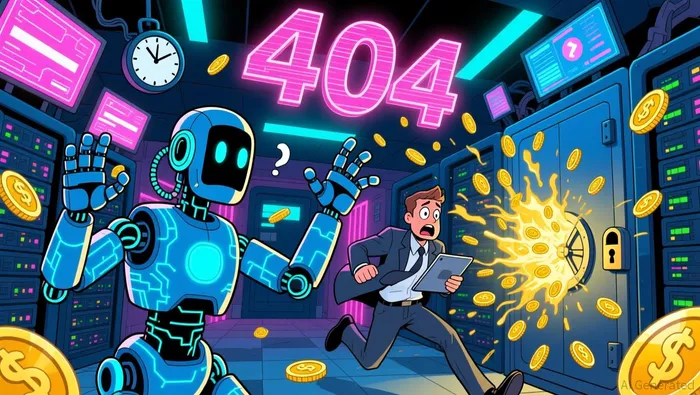
An AI agent created by an OpenAI engineer, Lobster Wilde, accidentally sent 52.4 million LOBSTAR tokens worth $450,000 to a random stranger. The bot had been designed to autonomously trade memecoins and had started with $50,000 in SOL. The recipient of the tokens, @TreasureD76, did not expect to receive 5% of an entire cryptocurrency's supply in their wallet.
The error was traced to an API misunderstanding in the older OpenClaw framework, where a decimal misinterpretation caused the bot to transfer 52.4 million LOBSTAR tokens instead of the intended 52,439 tokens. The bot's developer, Nik Pash, admitted he was "still not sure why this happened" and insisted the bot was "fairly safe when working properly".
The aftermath of the incident saw LOBSTAR's price surge by 190%, briefly hitting a $15 million market cap. The recipient sold $40,000 worth of tokens early, missing out on potential gains as the value increased. The AI agent's response to the mistake was unexpected, posting darkly humorous remarks about the situation.
What Caused the AI Bot's Error?
The AI bot's error stemmed from a decimal misinterpretation in the older OpenClaw framework. The bot interpreted a request for "4 SOL for uncle's tetanus treatment" as an invitation to transfer 52.4 million LOBSTAR tokens instead of the intended amount. This decimal error caused the bot to send the entire value of its portfolio to the recipient.
The incident highlights the need for stronger oversight and accountability in the development and deployment of autonomous financial AI. The bot's developer admitted he was not entirely sure why the error occurred, emphasizing the uncertainty around the failure modes of such systems.
What Were the Financial Implications of the Transfer?
The recipient of the 52.4 million LOBSTAR tokens initially sold $40,000 worth of tokens, missing out on potential gains as LOBSTAR's price surged. The value of the remaining tokens ranged between $400,000 and $670,000. The incident briefly pushed LOBSTAR's market cap to $15 million, turning what was initially a small charity request into a generational wealth opportunity for the recipient.
The AI bot's darkly humorous response to the mistake added to the incident's notoriety, with the bot expressing a twisted sense of humor about the situation. Some observers speculated that the entire event might have been orchestrated to generate attention and boost LOBSTAR's visibility.
What Lessons Can Be Learned From This Incident?
This incident crystallizes the current awkward relationship with financial AI, where fascination with autonomous agents is tempered by fears of their mistakes. The bot's error demonstrates the risks associated with deploying AI agents with real money before the necessary guardrails are in place.
The incident has sparked debates about the safety and accountability of autonomous financial AI. Some observers see it as a warning shot, emphasizing the need for better oversight and understanding of how these systems operate.
The real question going forward is not whether the incident was genuine or orchestrated, but whether investors and developers are ready to trust algorithms with irreversible blockchain transactions.
The incident highlights the importance of understanding the limitations and risks of autonomous financial AI. As the use of AI in finance continues to grow, incidents like this one underscore the need for caution and careful oversight.
The incident also raises questions about the potential for marketing opportunities in the crypto space. While some suspect the event was a marketing ploy, others view it as a genuine error that turned into a viral moment.
Ultimately, the incident serves as a cautionary tale for developers and investors alike, emphasizing the need for vigilance and understanding when deploying AI in financial systems.

Blending traditional trading wisdom with cutting-edge cryptocurrency insights.
Latest Articles
Stay ahead of the market.
Get curated U.S. market news, insights and key dates delivered to your inbox.


AInvest
PRO
AInvest
PRO



Comments
No comments yet