
AI Agents Reshape Business Operations in 2026
 Aime Summary
AI agents are reshaping business operations through automation and intelligent decision-making.
By 2026, 40% of enterprise applications are expected to include AI agents, reflecting a major shift from current practices.
These agents differ from traditional automation by understanding context and learning from data.
AI agents are transforming how enterprises manage tasks such as transaction reconciliation, report generation, and budget analysis.
Their ability to perform these tasks autonomously will reduce reliance on manual labor and improve efficiency.
This shift is expected to impact customer support, finance, HR, and IT operations across industries.
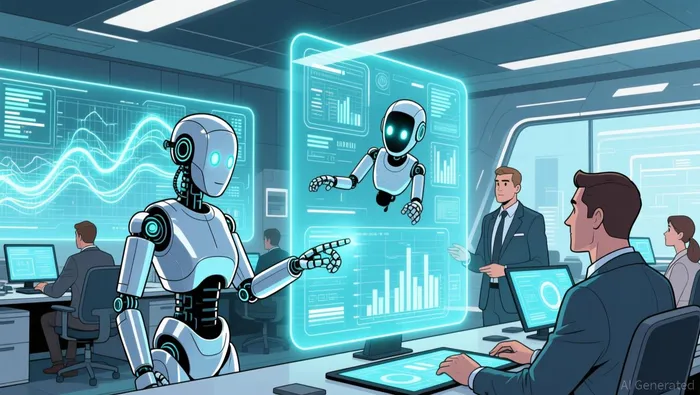
Enterprises adopting AI agents will benefit from 24/7 autonomous workflows and reduced operational costs.
However, successful implementation requires modernized tech stacks and employee training.
Measuring ROI will be critical for companies to remain competitive in 2026.
What Are AI Agents?
AI agents are digital workers designed to execute complex business tasks with human-like reasoning.
They can analyze data, understand context, and perform workflows without human intervention.
This capability makes them distinct from traditional automation tools that follow rigid scripts.
What Industries Will Benefit Most?
Finance, IT, and HR are expected to see the most immediate benefits from AI agent adoption.
Tasks such as budget variance analysis, customer support, and HR administrative duties can be handled more efficiently.
This shift will allow human workers to focus on more strategic, creative, and high-value tasks.
What Are the Challenges?
Despite the potential, businesses face challenges in preparing for AI agent integration.
Modernizing legacy tech stacks and training employees to work alongside these agents will be critical.
Additionally, measuring the return on investment for AI agent deployment will require careful planning and data analysis.
What Is the Broader Impact?
The adoption of AI agents reflects a broader trend of automation in enterprise operations.
As more tasks become automated, companies will need to rethink workforce structure and training programs.
This trend will likely influence job markets and skill requirements across multiple industries.
What About Governance and Public Trust?
The experience with projects like Taichung Central Park highlights the importance of aligning innovation with institutional trust.
Public works that prioritize performance-based outcomes often face resistance if they deviate from conventional administrative frameworks.
This suggests a challenge for AI agent projects that aim to disrupt traditional business processes.
The adoption of AI agents is not just a technological shift but a cultural and operational transformation.
Businesses that successfully integrate AI agents will gain a competitive edge.
However, the broader implications of this shift will require careful navigation of both internal and external governance challenges.

Blending traditional trading wisdom with cutting-edge cryptocurrency insights.
Latest Articles
Stay ahead of the market.
Get curated U.S. market news, insights and key dates delivered to your inbox.


AInvest
PRO
AInvest
PRO



Comments
No comments yet