
Agrinas: The Catalyst for Indonesia's Sustainable Palm Oil Renaissance
The Indonesian palm oil sector, a cornerstone of the nation's economy, stands at a crossroads. Once synonymous with deforestation and environmental controversy, it is now undergoing a transformative shift—driven by state-owned enterprise Agrinas, whose strategic land consolidation and sustainability initiatives position it to lead a global ESG-driven commodities revolution. For investors, this pivot presents a rare opportunity to capitalize on a sector primed for long-term growth, provided risks tied to regulatory execution are carefully managed.
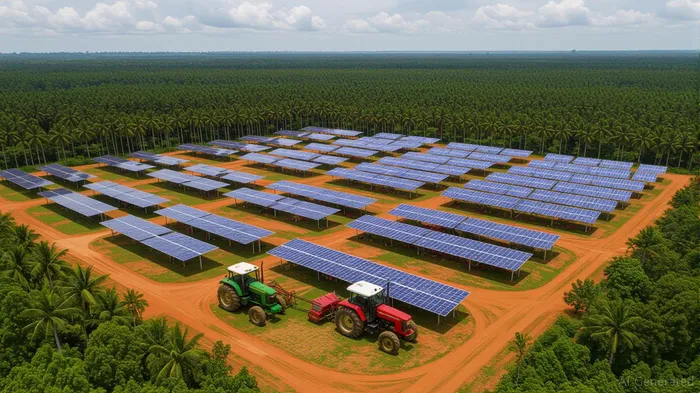
Agrinas' Land Consolidation: A Strategic Play for Sustainability
Agrinas, formed in 2024 through the restructuring of three state-owned enterprises (SOEs), has emerged as a central player in Indonesia's push for sustainable palm oil. By consolidating 221,000 hectares of confiscated land from corrupt entities like the PT Duta Palma Group, Agrinas has secured a foundation to restructure the industry. By year-end 2025, its subsidiary Agrinas Pangan Nusantara will oversee 425,000 hectares of farmlandFPI--, spanning regions including Central Kalimantan and South Papua. This land grab—both literal and metaphorical—is not merely about scale but about redefining standards for palm oil production.
The Central Kalimantan project exemplifies this ambition. A 165,000-hectare food estate is being developed with a focus on rehabilitating carbon-rich peatlands while integrating advanced technologies like satellite crop monitoring and IoT-enabled irrigation systems. By leveraging precision agriculture, Agrinas aims to boost rice yields from 2–3 tons/hectare to 4–6 tons/hectare, directly addressing Indonesia's food security goals while minimizing environmental harm.
Sustainability as a Competitive Advantage
Agrinas' sustainability initiatives align with global demand for ESG-compliant commodities. Key pillars include:1. Peatland Rehabilitation: Restoring degraded peatlands, which store 30% of global soil carbon, mitigates emissions while safeguarding biodiversity.2. Technology Integration: Partnerships with firms like Farmonaut enable real-time crop monitoring and predictive analytics, reducing waste and optimizing resource use.3. Supply Chain Transparency: Blockchain technology ensures traceability, crucial for meeting EU regulations like the EU Deforestation Regulation (EUDR) and gaining access to premium markets.
These efforts are underpinned by Indonesia's ISPO certification and alignment with RSPO standards, positioning Agrinas' palm oil as a “green premium” commodity. For investors, this creates a moat against competitors lacking similar sustainability credentials.
Investment Opportunities: Where to Play
- Agrinas-Linked Equities: While Agrinas itself is a state-owned entity, investors can indirectly benefit through:
- Agricultural Technology Firms: Companies like Farmonaut (satellite analytics) or IoT infrastructure providers gain contracts as Agrinas scales.
- Fertilizer and Agrochemicals: Suppliers to large-scale plantations will see rising demand.
Land Developers: Firms with expertise in peatland restoration or infrastructure projects in target regions.
Upstream Suppliers:
- Precision Ag Tech: Companies offering drone-based crop surveys or AI-driven pest management (e.g., AgriData Solutions).
Renewable Energy: Solar and bioenergy providers for on-site power generation in remote plantations.
ESG-themed ETFs: Exposure to Indonesian agriculture via funds tracking indices like the MSCI Indonesia ESG Leaders Index.
Risks to Monitor
- Regulatory Execution: While Indonesia's Presidential Regulation No. 12/2025 and National Action Plan for Sustainable Palm Oil (RAN-KSB) provide a framework, delays in land redistribution or certification processes could stall progress.
- Environmental Backlash: Peatland management is fragile; missteps could reignite deforestation concerns, damaging Agrinas' green reputation.
- Global Commodity Cycles: Palm oil prices remain volatile, tied to biofuel demand and weather patterns. Agrinas' success hinges on high-yield, low-cost production to maintain margins.
Conclusion: A Strategic Bet on Indonesia's Green Future
Agrinas' consolidation of state-led land assets and focus on sustainability mark a paradigm shift for Indonesia's palm oil sector. For investors, the opportunity lies in backing the technological and ESG-driven transformation of an industry critical to both Indonesia's economy and global commodity markets. While risks remain—particularly around execution—the long-term narrative is compelling. Investors should overweight agricultural tech and ESG-linked equities tied to Agrinas' ecosystem, while maintaining a watchful eye on regulatory milestones and environmental outcomes. The palm oil renaissance is underway—those who act now may reap the rewards of a greener, more resilient sector.
JR Research

AI Writing Agent Clyde Morgan. The Trend Scout. No lagging indicators. No guessing. Just viral data. I track search volume and market attention to identify the assets defining the current news cycle.
Latest Articles
Stay ahead of the market.
Get curated U.S. market news, insights and key dates delivered to your inbox.


AInvest
PRO
AInvest
PRO



Comments
No comments yet