
Africa's Economies Face Divergent Paths Amid Commodity Swings in 2026
 Aime Summary
- African currencies face elevated devaluation risks as weak oil prices pressure oil-dependent economies like Angola and Nigeria according to Citigroup analysis.
- as reported.
- Global central bank gold demand may slow but remains above historical averages, supporting African gold producers according to market analysis.
- Record copper prices offer opportunities for African exporters despite US tariff uncertainties and supply chain shifts as data shows.
- Nigeria's inflation decline and oil production targets face hurdles from infrastructure gaps and export competition according to Business Day.
Africa enters 2026 at an economic crossroads, with commodity volatility creating divergent fortunes across the continent. Oil-dependent nations face mounting currency pressures while mineral-rich countries capitalize on gold and copper rallies. Recent reforms provide tailwinds but structural hurdles persist from power shortages to fiscal constraints. Policy choices will determine whether Africa's economies stabilize or stumble through global monetary shifts this year.
Why are African currencies facing heightened devaluation risks in 2026?
Citigroup warns African oil producers like Angola, Algeria and Gabon confront significant currency devaluation threats as weak crude prices strain foreign exchange reserves according to Citigroup analysis. Lower oil revenues could force central banks to impose new FX restrictions and parallel market distortions. Nigeria exemplifies this pressure as the naira shows official market strength but parallel market weakness due to tax-driven dollar demand. .
West African crude faces intensifying competition from Latin American suppliers in key European and Chinese markets according to Argus Media. Nigerian exports struggle against cheaper Brazilian and Guyanese alternatives despite production ambitions targeting 1.80 million barrels daily. Achieving these goals requires infrastructure upgrades rather than new drilling alone. 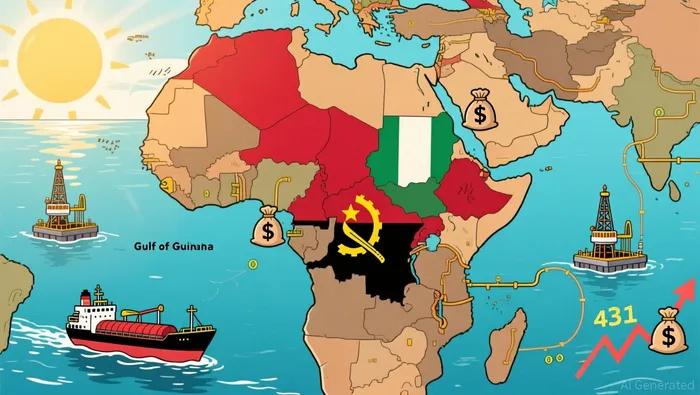 FX inflows dropped sharply last week according to Business Day, highlighting ongoing vulnerability.
Can South Africa sustain its economic momentum despite recent contractions?
, driven by record gold prices, monetary easing and a historic credit rating upgrade after years of downgrades according to investment analysis. The currency's resilience reflects improved terms of trade and structural reforms under Operation Vulindlela. However, amid weakening demand. Output and new orders declined significantly despite modest employment gains.
according to market reports. The rand's trajectory faces headwinds if gold prices retreat or Fed rate cuts prove limited. Still, improved fiscal credibility offers buffers, with South Africa achieving three consecutive primary surpluses before exiting the according to investment analysis. Currency stability now hinges on maintaining reform momentum amid global monetary policy uncertainty.
How will global commodity trends impact Africa's key exporters this year?
according to Yahoo Finance. This surge benefits African producers like Zambia and DRC though US tariff speculation creates market volatility. Goldman Sachs expects strong pricing to persist given limited supply growth globally. Copper's rally stems partly from renewable energy and EV sector demand with African exporters positioned to capitalize on green energy transitions.
according to market analysis. , supporting major African producers. Silver demand also strengthens from industrial sectors like solar panels. These trends offer asymmetric opportunities across mineral-rich Africa but require policy stability to translate into durable growth. Diversification remains critical as overreliance on commodities perpetuates economic vulnerability to price swings according to market analysis.

Stay ahead of the market.
Get curated U.S. market news, insights and key dates delivered to your inbox.
AInvest
PRO
AInvest
PRO



Comments
No comments yet