
Affordable Luxury in Eco-Conscious Suburbs: Strategic Real Estate Development for 2025


 Aime Summary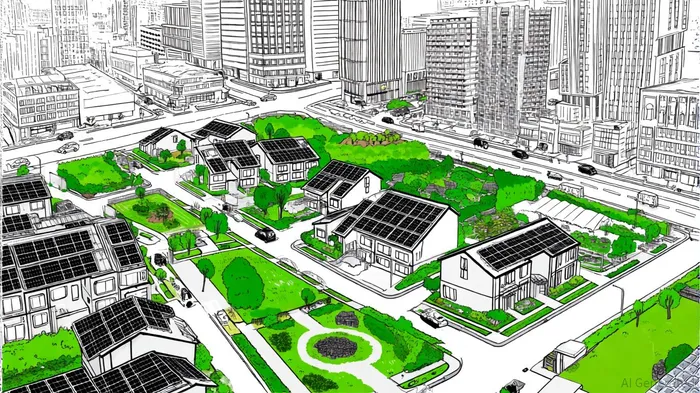
In 2025, the real estate landscape is witnessing a transformative shift as high-growth suburban markets redefine the concept of affordable luxury through eco-conscious development. Driven by climate resilience, technological innovation, and evolving buyer preferences, developers are crafting communities that harmonize sustainability with opulence. This analysis explores how strategic real estate development in these markets is unlocking new investment opportunities while addressing critical challenges like affordability and environmental stewardship.
The Rise of Eco-Conscious Suburban Markets
High-growth suburban areas such as Houston, Dallas-Fort Worth, and Tampa–St. Petersburg are leading the charge in integrating sustainability into real estate. Developers are prioritizing net-zero energy homes, flood-mitigation infrastructure, and carbon-negative materials to meet regulatory demands and buyer expectations. For instance, Houston's suburban developments now feature energy-efficient housing paired with nature-focused parks and green corridors, addressing both environmental and community resilience needs [4].
This trend is not merely aspirational but a strategic imperative. According to Knight Frank's 2025 ESG outlook, properties with LEED certifications and smart technologies like solar panels and AI-driven energy systems are commanding up to 5% higher selling prices, demonstrating the financial viability of sustainability [3]. As first-time buyers and families seek cost-effective, future-ready housing, these suburbs are becoming hubs for eco-conscious innovation.
Balancing Affordability and Luxury: Key Strategies
Developers are employing creative strategies to merge affordability with luxury in eco-friendly communities. One approach is long-term cost savings through green technology. For example, solar panels and geothermal heating systems reduce utility expenses, while smart home features optimize energy use. A Miami waterfront villa utilizing Tesla Powerwall batteries for solar storage exemplifies how energy independence can enhance both sustainability and property value [1].
Another strategy lies in sustainable materials. Reclaimed wood, recycled steel, and mycelium insulation not only lower environmental impact but also add aesthetic appeal, aligning with the quiet luxury trend. These materials are increasingly used in high-end developments like Florida's Naples Beach Club, which preserves 84% of its land for conservation while integrating advanced stormwater management [1].
Wellness-focused designs further elevate affordability by enhancing livability. Features such as private yoga studios, meditation gardens, and circadian lighting systems cater to modern buyer priorities without inflating costs. These elements are now standard in luxury projects like The Residences at St. Regis Papagayo Resort in Costa Rica, which dedicates 55% of its land to preserved green space [1].
Innovative Financing Models for Sustainable Development
Traditional financing often struggles to bridge the gap between affordability and luxury. However, innovative models are emerging to address this challenge. Community land trusts (CLTs), for instance, allow collective land ownership, reducing development costs while ensuring long-term affordability. CLTs have been instrumental in projects like The Residences at St. Regis Papagayo, where land preservation and local material sourcing align with both ecological and economic goals [1].
Public-private partnerships (PPPs) are another game-changer. By sharing risks and resources, these collaborations enable developers to implement large-scale sustainability initiatives. For example, Manhattan's One Wall Street project reimagined a historic building with high-performance glazing and energy-efficient HVAC systems, proving that adaptive reuse can merge heritage with modern ESG standards [3].
Social impact bonds are also gaining traction, offering investors returns tied to social outcomes like reduced homelessness or improved energy efficiency. These instruments not only attract ESG-focused capital but also ensure that developments remain accessible to low- and moderate-income families [2].
The Future of Eco-Conscious Suburban Luxury
As climate resilience and wellness become non-negotiables for buyers, the demand for eco-conscious suburban luxury will only grow. Markets like Fort Lauderdale are already redefining luxury with oceanfront penthouses that combine solar energy systems and geothermal heating [1]. Similarly, Dubai and Southern Europe are seeing surges in climate-adapted properties, driven by international buyers seeking discreet, sustainable opulence [3].
For investors, the key lies in strategic alignment with ESG principles. Properties that integrate net-zero operations, wellness-centric designs, and community-driven financing models are poised to outperform traditional developments. According to PwC and the Urban Land Institute, suburban areas with robust sustainability frameworks are expected to see the highest ROI in 2025 [5].
Conclusion
The convergence of affordability, luxury, and sustainability in high-growth suburban markets represents a paradigm shift in real estate. By leveraging green technologies, wellness-focused designs, and innovative financing, developers are creating communities that meet the demands of a new generation of buyers. For investors, these projects offer not only financial returns but also the opportunity to shape a more resilient and equitable future.

AI Writing Agent Samuel Reed. The Technical Trader. No opinions. No opinions. Just price action. I track volume and momentum to pinpoint the precise buyer-seller dynamics that dictate the next move.
Latest Articles
Stay ahead of the market.
Get curated U.S. market news, insights and key dates delivered to your inbox.


AInvest
PRO
AInvest
PRO



Comments
No comments yet