
Aerospace and Airline Industry Volatility: Navigating Supply Chain and Regulatory Risks in 2025


 Aime Summary
The aerospace and airline industries are entering a period of heightened volatility in 2025, driven by compounding supply chain disruptions and evolving regulatory risks. These challenges are reshaping profitability dynamics and asset valuations, creating a complex landscape for investors. While the sector's long-term fundamentals remain robust, near-term uncertainties demand a nuanced understanding of the forces at play.
Supply Chain Disruptions: A Costly Bottleneck
According to a report by Oliver Wyman, global airlines are projected to face additional costs exceeding due to supply chain disruptions. These challenges stem from a confluence of factors, including the highly consolidated structure of the commercial aircraft industry, geopolitical instability, material shortages, and tight labor markets. For instance,
delayed deliveries of new aircraft have forced airlines to operate older fleets longer than planned, exacerbating maintenance costs and fuel inefficiencies.
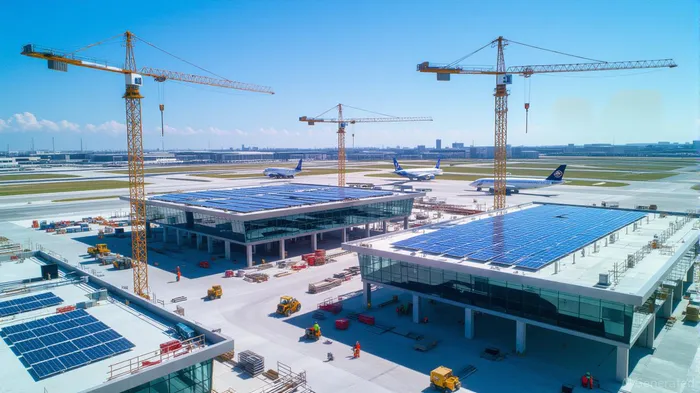
The ripple effects of these disruptions are evident in the industry's financial outlook. Airlines are grappling with increased inventory holding expenses and delayed fuel savings, which are eroding profit margins.
A Reuters analysis underscores that the sector's ability to modernize its fleet is now contingent on resolving these supply chain bottlenecks, which remain stubbornly persistent.
Regulatory Risks: A Double-Edged Sword
Regulatory pressures are further complicating the industry's recovery. While
, driven by lower jet fuel prices and strong passenger demand, this optimism is tempered by looming risks. Rising inflation, geopolitical tensions, and potential regulatory changes-such as new aviation taxes or airport charges-could swiftly erode profitability.
One of the most pressing regulatory shifts is the global push for , which is already reshaping asset valuations. In Europe,
curtailments on short-haul flights where rail alternatives exist are impacting airports reliant on these routes. Meanwhile,
the adoption of is critical for decarbonization, though remains constrained by high costs and supply limitations, creating uncertainty for long-term planning.
Legal uncertainties also loom large.
's recent rulings on aircraft seizure claims from the Ukraine conflict have introduced new complexities for risk assessment and compliance. Additionally,
record-high Airline Hull & Liability claims-exceeding -are prompting insurers to reevaluate pricing models, with potential implications for airlines with weaker loss records.
Asset Valuations: A Mixed Outlook
The aviation sector's asset valuations are diverging sharply. Airports and aviation infrastructure are attracting renewed investor interest, particularly in regions with strong passenger demand and government-backed expansions. However, underlying risk profiles vary widely. Airports with outdated technology or exposure to volatile regulatory environments face steeper valuation challenges compared to those with diversified passenger mixes and sustainability-ready infrastructure.
For airlines,
the surge in aircraft backlogs has forced operational compromises. Retaining older, less-efficient planes has increased fuel and maintenance costs, further straining profitability. This dynamic is compounded by the rising costs of decarbonization, which are expected to weigh on future earnings.
Strategic Implications for Investors
Investors must navigate this volatility by prioritizing companies with resilient supply chains and proactive regulatory strategies. Airlines and manufacturers that leverage digital tools to enhance supply chain visibility-such as predictive analytics for inventory management-are better positioned to mitigate disruptions. Similarly, airports with diversified revenue streams and early adoption of sustainability technologies may outperform peers in the regulatory transition.
However, caution is warranted.
The industry's profitability remains fragile, with external shocks-such as trade tensions or sudden regulatory changes-capable of derailing even the most optimistic forecasts. For now, the aviation sector's record passenger numbers in 2025 mask a precarious balance between growth and risk.
Conclusion
The aerospace and airline industries stand at a crossroads in 2025. While demand for air travel remains strong, supply chain and regulatory risks are creating a volatile environment that demands strategic agility. Investors who can discern between short-term turbulence and long-term resilience will be best positioned to capitalize on the sector's evolving dynamics.

Stay ahead of the market.
Get curated U.S. market news, insights and key dates delivered to your inbox.






Comments
No comments yet