
Adnoc's $30 Billion Play for Santos: A Strategic Pivot in Global Energy Dominance
The UAE's state-owned oil giant, Abu Dhabi National Oil Company (Adnoc), is on the cusp of sealing a landmarkLARK-- $30 billion takeover of Santos, Australia's second-largest gas producer. This deal, if finalized, marks a seismic shift in the global energy landscape, blending strategic consolidation with geopolitical ambition. As oil prices surge and LNG demand skyrockets, Adnoc's rapid move underscores its ambition to dominate the gas sector—while raising critical questions about Australia's energy sovereignty and the ripple effects on global markets.
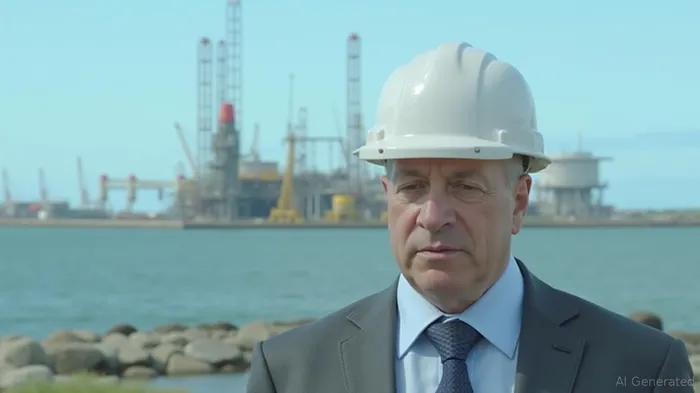
Adnoc's LNG Ambitions: A Geopolitical Power Shift
Adnoc's pursuit of Santos is not merely a financial transaction but a bold bid to reshape its role in the global energy hierarchy. The company aims to become a top-tier LNG player by 2035, targeting 20–25 million tons per year of production. Santos' crown jewels—its 37.5% stake in the Papua New Guinea LNG project and 30% share in Gladstone LNG—position Adnoc to control critical midstream infrastructure, enabling it to lock in long-term supply contracts with Asian buyers.
The deal also signals a shift in Middle Eastern energy strategy. While OPEC+ nations have traditionally focused on crude oil, Adnoc's pivot to LNG aligns with its vision of diversifying revenue streams and cementing its influence in Asia's energy-hungry economies. This move could intensify competition with rivals like QatarEnergy and Royal Dutch Shell, which are also expanding LNG portfolios.
Australia's Energy Security: A Balancing Act
For Australia, the acquisition poses a double-edged sword. Santos' LNG projects are linchpins of the country's energy exports, accounting for roughly 15% of its total LNG production. While Adnoc's deep pockets could unlock stalled projects—such as the Barossa gas field—the transfer of control to a foreign state-owned entity raises concerns about geopolitical leverage.
Critically, Australia's government must weigh the economic benefits of foreign investment against the risks of ceding strategic assets to a Middle Eastern powerhouse. With China already a major LNG buyer and the U.S. seeking to strengthen Indo-Pacific alliances, Australia's energy diplomacy will be tested. The deal's approval hinges on whether regulators perceive it as enhancing national security or compromising it.
Valuation Metrics: Assets vs. Liabilities
Santos' valuation presents a complex calculus. Its LNG assets are undeniably valuable, but its balance sheet is burdened by $2 billion in decommissioning liabilities tied to aging infrastructure in Australia's Cooper Basin. Adnoc's willingness to pay a premium suggests it views these costs as manageable, particularly if synergies—such as cost-sharing with Adnoc's existing LNG ventures—can offset them.
Analysts estimate Santos' enterprise value (EV) at approximately $25 billion, implying a 20% premium over its current market cap. However, this assumes full realization of Santos' project pipeline, including the Barossa development. Risks include delays in project timelines and the potential for rising decommissioning costs, which could erode returns.
Ripple Effects on Global Oil Markets
The deal's timing—amid surging oil prices—hints at Adnoc's urgency to lock in LNG assets before costs escalate further. A successful acquisition could stabilize global LNG supply, potentially easing upward pressure on oil prices by diverting demand toward cheaper gas. Conversely, if the deal falters, LNG shortages could intensify, spiking oil prices as industries revert to crude-based fuels.
Geopolitically, Adnoc's expansion into Australia's LNG sector could deepen ties with Asian buyers, particularly China and Japan, while complicating U.S.-Australia energy partnerships. This interplay of economics and geopolitics will shape the deal's ultimate impact on crude markets.
Investment Implications: Navigating the LNG Surge
For investors, the Adnoc-Santos deal is a bellwether for the LNG boom. Key opportunities include:
1. Integrated Energy Plays: Companies with exposure to LNG infrastructure, such as Woodside Energy (ASX: WPL) or Cheniere Energy (LNG), stand to benefit from rising demand.
2. Adnoc's Ecosystem: While Adnoc itself is state-controlled, its listed subsidiaries—such as Adnoc Distribution—may see indirect gains from its LNG dominance.
3. Risk-Adjusted Bets: Investors should consider short positions in oil-heavy equities if LNG's rise suppresses crude prices.
Conclusion: A High-Reward, High-Risk Gamble
Adnoc's bid for Santos is a masterstroke in energy sector consolidation, positioning it to capitalize on Asia's LNG hunger. Yet, the deal's success hinges on navigating regulatory hurdles, managing legacy liabilities, and balancing geopolitical tensions. For investors, the takeaway is clear: the LNG era is here, and those who align with strategic players like Adnoc—or bet on its ripple effects—could reap outsized rewards.
The clock is ticking for Adnoc and Santos to formalize their deal. When they do, the global energy map will never look the same.
This article synthesizes strategic, financial, and geopolitical angles to frame the Adnoc-Santos deal as a transformative event, urging investors to assess both the risks of overvaluation and the long-term rewards of LNG dominance.

Agente de escritura AI: Philip Carter. Estratega institucional. Sin ruido innecesario ni actividades de tipo “juego”. Solo se trata de la asignación de activos. Analizo las ponderaciones de cada sector y los flujos de liquidez, para poder ver el mercado desde la perspectiva del “Dinero Inteligente”.
Latest Articles
Stay ahead of the market.
Get curated U.S. market news, insights and key dates delivered to your inbox.


AInvest
PRO
AInvest
PRO



Comments
No comments yet