
Administration to Finalize Aid and Trade Agreements to Support U.S. Farmers
 Aime Summary
U.S. Agriculture Secretary Brooke Rollins has confirmed that the Trump administration anticipates finalizing key agreements on farmer support and soybean exports from China within the next two weeks. The plans are part of broader efforts to provide relief to American farmers who have faced declining prices and reduced sales, particularly in the soybean market.
The administration is preparing a short-term “bridge payment” program intended to provide immediate financial assistance to farmers. 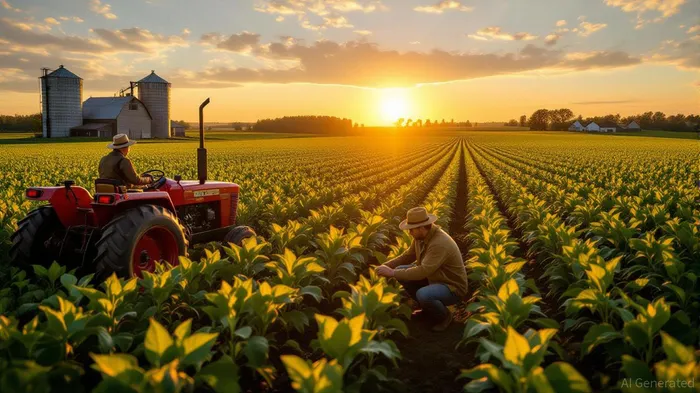 This comes as the USDA seeks to address liquidity concerns, especially for those anticipating the 2026 planting season. The program is expected to provide temporary support to help cover the costs of inputs such as seed and fertilizer. While the exact amounts and eligibility criteria are yet to be disclosed, officials have indicated that some payments could be distributed before the end of the year.
Rollins emphasized that the bridge payment is a critical stopgap measure to ensure that crop producers can navigate the current financial challenges without suffering severe losses. The 2025 farm support package has already secured substantial funding commitments, but the need for more immediate aid is clear. Farming groups have highlighted the importance of liquidity, particularly for smaller and specialty crop producers who are more vulnerable to price volatility and input cost fluctuations.
In parallel with the aid announcement, the administration is also working to finalize trade agreements that could open new markets for U.S. agricultural exports. Officials argue that expanding export opportunities through new trade deals will reduce long-term reliance on government support programs. President Donald Trump’s team has consistently stressed that securing foreign market access will create new income streams for farmers and enhance their resilience to market volatility.
However, the success of trade agreements in replacing federal aid remains uncertain. While the administration is optimistic about the potential for “unprecedented” export growth, market conditions remain challenging. Crop prices are low, global demand is constrained, and production costs continue to rise. Analysts caution that without concrete export deals and stable pricing, future financial support may still be necessary.
Farmers and industry observers are closely monitoring the administration’s progress, with some expressing cautious optimism about the potential for trade agreements to stabilize the market. The next two weeks will be crucial in determining the scope and timing of the aid package and trade deals, both of which are expected to have a significant impact on the agricultural sector as it heads into the 2026 growing season.

Stay ahead of the market.
Get curated U.S. market news, insights and key dates delivered to your inbox.






Comments
No comments yet