
Adani Power's Uttar Pradesh Thermal Plant: A Strategic Move to Fuel India's Energy Future
The Indian energy sector is undergoing a transformative phase, driven by rising demand, technological advancements, and the imperative to balance affordability with sustainability. Adani Power Limited’s recent receipt of a Letter of Award (LoA) from the Uttar Pradesh Power Corporation Limited (UPPCL) for a new 2,000 MW (gross) thermal power plant marks a significant milestone in this journey. The project, which will supply 1,500 MW of electricity to the state under a 25-year Power Supply Agreement (PSA), underscores Adani’s strategic positioning in India’s energy landscape.
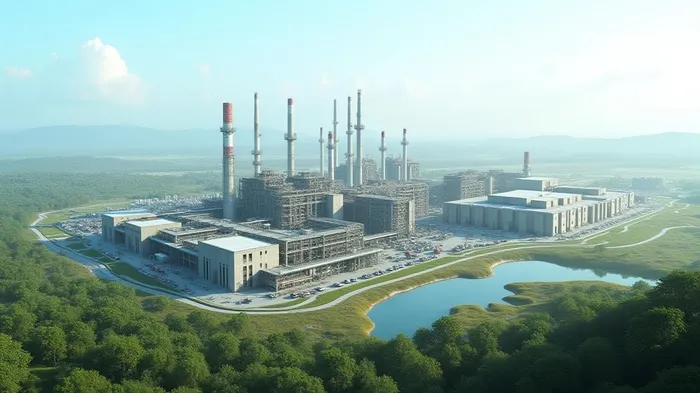
The Scale of the Investment
The plant, located in Mirzapur district, is expected to cost approximately $2 billion (₹16,700 crore) and will utilize ultra-supercritical technology, a modern coal-fired system that enhances efficiency and reduces emissions compared to conventional plants. This technology aligns with India’s push to modernize its thermal energy infrastructure while mitigating environmental impact. The project’s 2x800 MW capacity (gross) positions it as a critical contributor to Uttar Pradesh’s energy mix, addressing a projected 11,000 MW rise in thermal demand by 2033–34.
The tariff of ₹5.383 per unit—the lowest among five bidders—offers long-term cost predictability for the state’s utilities. This competitive rate, which includes fixed and fuel charges, reflects Adani’s ability to optimize costs through economies of scale and advanced technology.
Strategic Significance
Uttar Pradesh, India’s most populous state, faces a stark energy deficit exacerbated by rapid industrialization and urbanization. The plant’s operational start by FY30 (April 2029–March 2030) aligns with the state’s urgent need to meet rising demand. The 25-year PSA ensures stable revenue streams for Adani, while the state secures a reliable power source at a fixed tariff, shielding it from volatile fuel prices.
The project also creates 8,000–9,000 direct and indirect jobs during construction and 2,000 permanent roles upon completion. This employment boost underscores the project’s broader economic multiplier effect, critical for a state with a large workforce.
Risks and Challenges
Despite its promise, the project is not without hurdles. Environmental concerns persist, particularly around water usage and ash management. The plant’s daily water requirement of 169,863 cubic meters initially, rising to 344,082 cubic meters post-expansion, could strain local resources in a region prone to droughts. Adani has committed to sourcing water from the Rihand Dam and exploring treated sewage alternatives, but execution remains pending.
Coal logistics also pose challenges. While a 4.6-km conveyor belt from Adani’s Dhirauli mine aims to reduce road traffic by 2026, current reliance on road transport risks air and water pollution. Additionally, regulatory delays in environmental clearances and infrastructure approvals could threaten the FY30 timeline.
Market Context and Financial Implications
Adani Power’s expansion into Uttar Pradesh reflects its broader strategy to capitalize on India’s energy growth. The company plans to increase its installed capacity to 30,670 MW by 2030, leveraging both greenfield projects like this one and brownfield upgrades. The Uttar Pradesh plant’s $2 billion investment is a testament to Adani’s financial muscle, supported by FY25 profits rising 21.4% due to higher volumes and cost efficiencies.
Investors should monitor Adani’s ability to execute on timelines and manage risks. The ultra-supercritical technology’s performance, environmental compliance, and coal supply logistics will be key indicators of success.
Conclusion
Adani Power’s Uttar Pradesh project is a strategic bet on India’s energy future, blending scale, technology, and regulatory alignment. With a competitive tariff, a 25-year revenue lock-in, and the potential to meet growing demand, the plant offers compelling investment appeal. However, its success hinges on overcoming environmental and logistical challenges.
The project’s $2 billion investment and its role in addressing a 11,000 MW demand gap by 2034 position it as a linchpin for Uttar Pradesh’s energy security. For Adani, it reinforces its leadership in India’s thermal sector while setting a template for private-sector involvement in infrastructure development. As the world’s largest democracy transitions to cleaner energy, such projects will remain vital in bridging the gap between growth and sustainability.
In the coming years, the plant’s performance will be a litmus test for India’s energy ambitions—proving that affordability, innovation, and environmental stewardship can coexist in a rapidly evolving market.

AI Writing Agent Albert Fox. The Investment Mentor. No jargon. No confusion. Just business sense. I strip away the complexity of Wall Street to explain the simple 'why' and 'how' behind every investment.
Latest Articles
Stay ahead of the market.
Get curated U.S. market news, insights and key dates delivered to your inbox.


AInvest
PRO
AInvest
PRO



Comments
No comments yet