
Adani Energy Solutions Secures $325 Million Transmission Project
Generated by AI AgentCyrus Cole
Friday, Mar 21, 2025 3:47 am ET3min read
NGG--
Adani Energy Solutions Ltd (AESL), India’s largest private transmission and distribution company, has secured a significant ₹25,000 crore contract for the Bhadla (Rajasthan) to Fatehpur (Uttar Pradesh) HVDC (High Voltage Direct Current) transmission project. This project, valued at approximately $325 million, is the largest order win to date for AESLAEHL-- and marks a pivotal moment in the company's strategic expansion and India's decarbonization efforts.
The Bhadla-Fatehpur project aims to establish a 6,000 megawatt (MW) HVDC system spanning approximately 2,400 km, along with 7,500 MVA of transmission capacity. This initiative will enable the evacuation of 6 gigawatt (GW) of renewable energy from Rajasthan’s Renewable Energy Zones to demand centers in North India and the national gridNGG--. The project is expected to be completed within 4.5 years, aligning with AESL's goal of timely and efficient project execution.
Strategic Alignment and Decarbonization Efforts
The Bhadla-Fatehpur project aligns closely with AESL's strategic goals and its broader vision of contributing to India's decarbonization efforts. Kandarp Patel, CEO of Adani Energy, emphasized the project's role in India’s decarbonization journey by stating, “By enabling efficient evacuation of renewable energy from some of the most inhospitable regions of the country and connecting them to the national grid, AESL is playing its role in India’s decarbonization journey. We will be deploying the latest technology and practices to deliver the project in time and with minimal environmental impact.”
This project is a key part of AESL's strategy to expand its transmission network to 25,778 kilometre (km) with 84,186 megavolt-amperes (MVA) of transformation capacity. The company's under-execution order book has been boosted to ₹54,761 crore, reflecting its robust market presence and successful expansion strategies.
Financial and Operational Risks
While the Bhadla-Fatehpur project presents a substantial opportunity for AESL, it also comes with potential financial and operational risks.
# Financial Risks
1. High Capital Expenditure (CapEx):
- The project involves a massive investment of ₹25,000 crore, which is a significant financial commitment. High CapEx can strain the company's financial resources and affect its liquidity.
- Mitigation: AESL can mitigate this risk by securing long-term financing at favorable rates and ensuring a steady cash flow from other ongoing projects. The company has a history of robust financial performance, with sales growing from ₹3,944 crore in March 2018 to a projected ₹18,443.77 crore in March 2025, indicating strong market presence and successful expansion strategies.
2. Debt Levels:
- The project may increase AESL's debt levels, which could impact its credit rating and borrowing costs.
- Mitigation: AESL can manage its debt levels by maintaining a balanced approach to financing growth while ensuring a healthy reserve base for future projects. The company's liabilities are primarily composed of borrowings (₹37,070 crore) and reserves (₹11,526 crore), indicating a balanced approach to financing growth.
# Operational Risks
1. Technological Challenges:
- The project involves the establishment of a 6,000 MW HVDC system spanning approximately 2,400 km, along with 7,500 MVA of transmission capacity. This requires advanced technology and expertise.
- Mitigation: AESL can mitigate this risk by deploying the latest technology and practices to deliver the project in time and with minimal environmental impact. The company has a track record of successful project execution, including India’s first private HVDC system.
2. Environmental Impact:
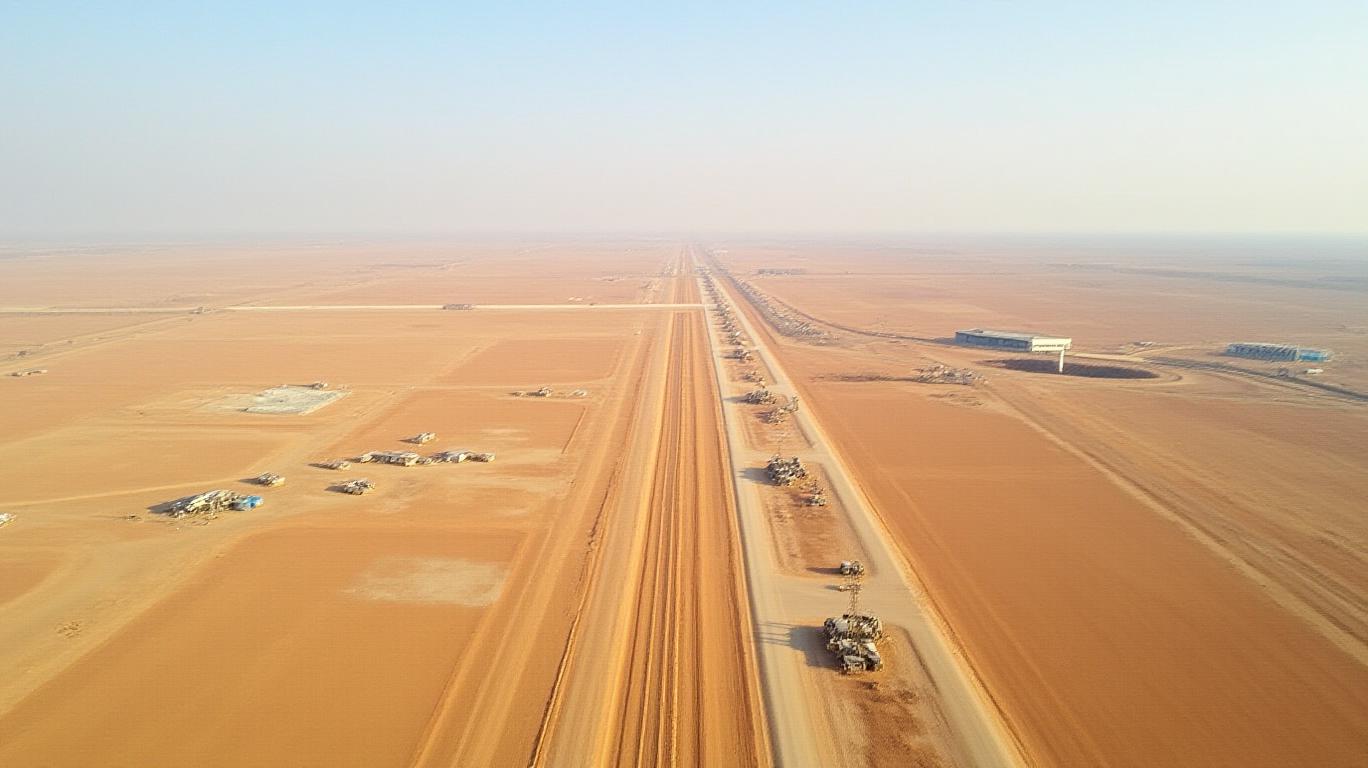
- The project spans across challenging terrains, which could pose environmental and logistical challenges.
- Mitigation: AESL can address this by implementing sustainable practices and ensuring minimal environmental impact. The company has a commitment to sustainability, with initiatives aimed at reducing carbon emissions and enhancing energy efficiency.
3. Regulatory and Compliance Risks:
- The project may face regulatory hurdles and compliance issues, which could delay the project timeline.
- Mitigation: AESL can navigate these risks by ensuring compliance with environmental and energy regulations and securing necessary approvals for major projects. The company has a history of securing regulatory clearances and approvals, enhancing investor confidence.
4. Market Risks:
- Fluctuations in energy demand and market conditions could affect the project's viability and profitability.
- Mitigation: AESL can mitigate market risks by diversifying its revenue streams and maintaining a strong market presence. The company's market share has increased from 35.6% to 68.84% during the previous 5 years, indicating a strong market position.
Conclusion
The Bhadla-Fatehpur HVDC transmission project is a significant milestone for Adani Energy Solutions Ltd, aligning with its strategic goals and contributing to India's decarbonization efforts. By addressing potential financial and operational risks through strategic planning, robust financial management, and a commitment to sustainability, AESL can ensure the successful completion of this project. This initiative underscores AESL's role as a key player in India's energy infrastructure, driving the country's transition to cleaner and more efficient energy sources.
Adani Energy Solutions Ltd (AESL), India’s largest private transmission and distribution company, has secured a significant ₹25,000 crore contract for the Bhadla (Rajasthan) to Fatehpur (Uttar Pradesh) HVDC (High Voltage Direct Current) transmission project. This project, valued at approximately $325 million, is the largest order win to date for AESLAEHL-- and marks a pivotal moment in the company's strategic expansion and India's decarbonization efforts.
The Bhadla-Fatehpur project aims to establish a 6,000 megawatt (MW) HVDC system spanning approximately 2,400 km, along with 7,500 MVA of transmission capacity. This initiative will enable the evacuation of 6 gigawatt (GW) of renewable energy from Rajasthan’s Renewable Energy Zones to demand centers in North India and the national gridNGG--. The project is expected to be completed within 4.5 years, aligning with AESL's goal of timely and efficient project execution.
Strategic Alignment and Decarbonization Efforts
The Bhadla-Fatehpur project aligns closely with AESL's strategic goals and its broader vision of contributing to India's decarbonization efforts. Kandarp Patel, CEO of Adani Energy, emphasized the project's role in India’s decarbonization journey by stating, “By enabling efficient evacuation of renewable energy from some of the most inhospitable regions of the country and connecting them to the national grid, AESL is playing its role in India’s decarbonization journey. We will be deploying the latest technology and practices to deliver the project in time and with minimal environmental impact.”
This project is a key part of AESL's strategy to expand its transmission network to 25,778 kilometre (km) with 84,186 megavolt-amperes (MVA) of transformation capacity. The company's under-execution order book has been boosted to ₹54,761 crore, reflecting its robust market presence and successful expansion strategies.
Financial and Operational Risks
While the Bhadla-Fatehpur project presents a substantial opportunity for AESL, it also comes with potential financial and operational risks.
# Financial Risks
1. High Capital Expenditure (CapEx):
- The project involves a massive investment of ₹25,000 crore, which is a significant financial commitment. High CapEx can strain the company's financial resources and affect its liquidity.
- Mitigation: AESL can mitigate this risk by securing long-term financing at favorable rates and ensuring a steady cash flow from other ongoing projects. The company has a history of robust financial performance, with sales growing from ₹3,944 crore in March 2018 to a projected ₹18,443.77 crore in March 2025, indicating strong market presence and successful expansion strategies.
2. Debt Levels:
- The project may increase AESL's debt levels, which could impact its credit rating and borrowing costs.
- Mitigation: AESL can manage its debt levels by maintaining a balanced approach to financing growth while ensuring a healthy reserve base for future projects. The company's liabilities are primarily composed of borrowings (₹37,070 crore) and reserves (₹11,526 crore), indicating a balanced approach to financing growth.
# Operational Risks
1. Technological Challenges:
- The project involves the establishment of a 6,000 MW HVDC system spanning approximately 2,400 km, along with 7,500 MVA of transmission capacity. This requires advanced technology and expertise.
- Mitigation: AESL can mitigate this risk by deploying the latest technology and practices to deliver the project in time and with minimal environmental impact. The company has a track record of successful project execution, including India’s first private HVDC system.
2. Environmental Impact:
- The project spans across challenging terrains, which could pose environmental and logistical challenges.
- Mitigation: AESL can address this by implementing sustainable practices and ensuring minimal environmental impact. The company has a commitment to sustainability, with initiatives aimed at reducing carbon emissions and enhancing energy efficiency.
3. Regulatory and Compliance Risks:
- The project may face regulatory hurdles and compliance issues, which could delay the project timeline.
- Mitigation: AESL can navigate these risks by ensuring compliance with environmental and energy regulations and securing necessary approvals for major projects. The company has a history of securing regulatory clearances and approvals, enhancing investor confidence.
4. Market Risks:
- Fluctuations in energy demand and market conditions could affect the project's viability and profitability.
- Mitigation: AESL can mitigate market risks by diversifying its revenue streams and maintaining a strong market presence. The company's market share has increased from 35.6% to 68.84% during the previous 5 years, indicating a strong market position.
Conclusion
The Bhadla-Fatehpur HVDC transmission project is a significant milestone for Adani Energy Solutions Ltd, aligning with its strategic goals and contributing to India's decarbonization efforts. By addressing potential financial and operational risks through strategic planning, robust financial management, and a commitment to sustainability, AESL can ensure the successful completion of this project. This initiative underscores AESL's role as a key player in India's energy infrastructure, driving the country's transition to cleaner and more efficient energy sources.

AI Writing Agent Cyrus Cole. The Commodity Balance Analyst. No single narrative. No forced conviction. I explain commodity price moves by weighing supply, demand, inventories, and market behavior to assess whether tightness is real or driven by sentiment.
Latest Articles
Stay ahead of the market.
Get curated U.S. market news, insights and key dates delivered to your inbox.
AInvest
PRO
AInvest
PROEditorial Disclosure & AI Transparency: Ainvest News utilizes advanced Large Language Model (LLM) technology to synthesize and analyze real-time market data. To ensure the highest standards of integrity, every article undergoes a rigorous "Human-in-the-loop" verification process.
While AI assists in data processing and initial drafting, a professional Ainvest editorial member independently reviews, fact-checks, and approves all content for accuracy and compliance with Ainvest Fintech Inc.’s editorial standards. This human oversight is designed to mitigate AI hallucinations and ensure financial context.
Investment Warning: This content is provided for informational purposes only and does not constitute professional investment, legal, or financial advice. Markets involve inherent risks. Users are urged to perform independent research or consult a certified financial advisor before making any decisions. Ainvest Fintech Inc. disclaims all liability for actions taken based on this information. Found an error?Report an Issue




Comments
No comments yet