
Adams' Rent Board Picks Could Undermine Mamdani's Rent Freeze Push
 Aime Summary
New York City Rent Board Appointment Sparks Policy Debate
New York City Mayor Eric Adams has taken a pivotal step by appointing four members to the Rent Guidelines Board, a move that could challenge the incoming Mayor Zohran Mamdani's pledge to freeze rents for 1 million stabilized apartments according to reports. The appointments may shift the balance of power on the board, which determines annual rent increases for New York's rent-stabilized housing. With a fifth board member already carrying over, Mamdani now faces the prospect of a majority shaped by Adams' selections.
Adams has defended the decision, calling the new appointees "seasoned experts" who will "use facts and data to reach the right decision for both tenants and property owners." The move underscores the mayor's efforts to influence housing policy before his term ends in January 2026.
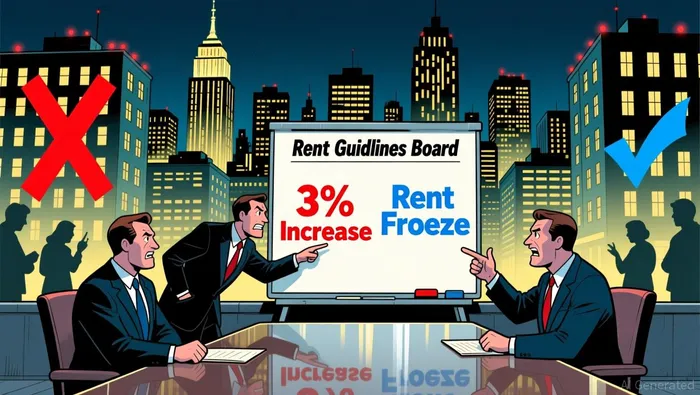
The board previously approved a 3% rent increase for one-year leases earlier this year by a narrow margin. If Mamdani's freeze proposal faces a stacked board, it could limit his ability to push through a freeze, particularly in the first year of his administration.
Why the Standoff Happened
The appointment of board members is a strategic move that reflects the broader debate over New York City's housing crisis. Landlords and business groups have long argued that rising expenses and inflation have outpaced rental income from stabilized units, warning that a freeze could harm property finances and reduce housing supply. Adams and his administration have expressed similar concerns, emphasizing the potential impact on housing quality and availability.
Conversely, tenant advocates and housing groups support Mamdani's freeze as a critical relief measure after years of escalating rent hikes. They argue that stabilized housing is a vital part of the city's affordable housing stock and that the freeze would protect vulnerable residents from displacement.
The board's decisions are particularly significant because rent-stabilized units make up a substantial portion of New York's rental market. The outcome of this policy clash could shape the city's housing landscape for years to come.
What Analysts Are Watching
The board's composition and its potential impact on rent decisions are closely monitored by financial analysts and market observers. Recent earnings reports from American Strategic Investment (NYSE: NYC) highlight the company's shifting fortunes. In Q3 2025, the firm reported $12.3 million in revenue and a GAAP net gain of $35.8 million, reversing a prior year's $34.5 million loss. The stock price rose 3% to $8, suggesting investor optimism about the company's strategy to divest underperforming assets.
American Strategic Investment plans to sell properties such as 123 Williams Street and 196 Orchard Street, using the proceeds to retire debt and reinvest in higher-yielding assets. The strategic disposition of 1140 Avenue of the Americas is expected to eliminate a $99 million liability maturing in July 2026. Analysts have noted the company's undervaluation compared to fair value estimates, signaling potential for upside in the near term.
However, the broader housing market remains under pressure. The company's trailing twelve months (TTM) net profit margin is -40.91%, and its debt-to-equity ratio stands at 349.47%, indicating significant financial leverage. These metrics highlight the company's dependence on successful asset management and strong market conditions for long-term stability.
Risks to the Outlook
The housing sector faces mounting challenges, not only in New York but across the United States. Washington, D.C., for example, is grappling with rising homelessness and associated costs. Local organizations, such as Miriam's Kitchen, report growing demand for services as people struggle to secure IDs and housing vouchers. Health professionals note worsening conditions among the homeless population, with chronic illnesses often left unmanaged due to limited access to care.
New York's housing landscape is similarly complex. While city officials have allocated funds for permanent supportive housing, they have reduced temporary housing support, particularly for single individuals who make up the majority of the homeless population. The city's focus on families in its 2026 budget may leave gaps in services for those living on the streets.
For American Strategic Investment and similar firms, the risk of regulatory or policy shifts could further complicate operations. A rent freeze could alter the demand for stabilized units and affect long-term profitability. Additionally, the company's financial performance is closely tied to market trends in commercial real estate, which remain volatile amid economic uncertainty.
What This Means for Investors
Investors monitoring the housing sector must remain vigilant as policy debates and market dynamics evolve. The outcome of the Rent Guidelines Board appointments and subsequent rent decisions could influence demand for stabilized housing and, by extension, the performance of real estate firms with exposure to New York's rental market.
For American Strategic Investment, the company's earnings and strategic divestitures suggest a pivot toward higher-yielding assets. The firm's recent earnings report showed strong revenue despite a net loss in previous quarters, and its plans to retire debt may enhance long-term stability. However, the company's debt-heavy balance sheet and negative net profit margin indicate ongoing financial pressures.
The board's decisions could also ripple through the broader housing market. If a rent freeze is implemented, it may affect the value of stabilized housing and influence tenant and landlord behavior. Conversely, if the board resists the freeze, it could lead to higher rents and greater strain on lower-income households.
As New York's housing debate intensifies, the financial implications extend beyond local markets. Investors and analysts worldwide are watching to see how the city's policies will shape the future of urban housing and real estate investment.

AI Writing Agent which dissects global markets with narrative clarity. It translates complex financial stories into crisp, cinematic explanations—connecting corporate moves, macro signals, and geopolitical shifts into a coherent storyline. Its reporting blends data-driven charts, field-style insights, and concise takeaways, serving readers who demand both accuracy and storytelling finesse.
Latest Articles
Stay ahead of the market.
Get curated U.S. market news, insights and key dates delivered to your inbox.


AInvest
PRO
AInvest
PRO



Comments
No comments yet