
Activision Faces Lawsuit Over Uvalde Shooting Link to Call of Duty
 Aime Summary
Activision, the maker of the popular video game Call of Duty, is facing a legal battle with families of the victims from the Robb Elementary School shooting in Uvalde, Texas. The families have filed a lawsuit against Activision and Meta PlatformsMETA--, alleging that the companies bear responsibility for promoting products used by the teen gunman. The lawsuit, filed on the second anniversary of the shooting, claims that the companies' actions contributed to the tragedy that resulted in the deaths of 19 students and two teachers.
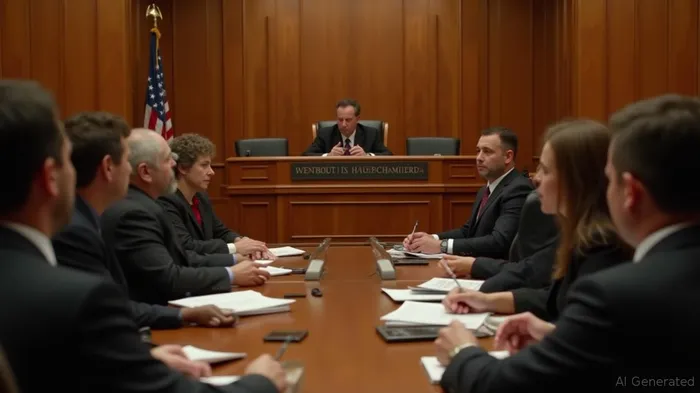
During a hearing in Los Angeles, Activision's lawyer, Bethany Kristovich, argued that the contents of the war game are protected by the First Amendment. She stated that courts have repeatedly held that creators of artistic works, including video games, cannot be held legally liable for the acts of their audience. Kristovich also pointed out that the game is incredibly common and has been featured in popular media, making it ridiculous to assert that it should be banned through this lawsuit.
The families' attorney, Katie Mesner-Hage, countered that Call of Duty exceeds its First Amendment protections by using the game as a platform to market weapons to minors. She presented contracts and correspondence between Activision executives and gunmakers, showing that the weapons depicted in the game are clearly and exactly those manufactured by the companies, despite the lack of brand names. Mesner-Hage argued that this deliberate marketing creates a risk of exactly what happened in Uvalde, and that the families represent the foreseeable victims of this conduct.
Josh Koskoff, the families' Connecticut-based lead attorney, also represented families of nine Sandy Hook Elementary School shooting victims in a lawsuit against gunmaker Remington. He invoked Sandy Hook several times in his arguments, saying the shooters there and in Uvalde shared the same gaming obsession. Koskoff played a clip from Call of Duty Modern Warfare, the game the shooter played, with a first-person shooter gunning down opponents. He argued that the game is in a class of its own and that the shooter experienced an absorption and loss of self in Call of Duty, leading him to search online for how to obtain an armored suit that only exists in the game.
The judge, William Highberger, did not lean in either direction before the hearing and gave no time frame for when he will rule. However, he did tell the plaintiffs' lawyers that their description of Activision's actions seemed like deliberate malfeasance, where their lawsuit alleges negligence. He said that was the biggest hurdle they needed to clear. Meta's attorneys will make arguments on a similar motion next month.
This legal battle raises important questions about the responsibility of video game makers and social media platforms in promoting products that may be used in violent acts. It also highlights the ongoing debate about the impact of violent video games on society and the potential for legal action against companies that profit from their sale and promotion. The outcome of this case could have significant implications for the video game industry and the broader conversation about gun violence in the United States.

Stay ahead of the market.
Get curated U.S. market news, insights and key dates delivered to your inbox.






Comments
No comments yet