
ACA Subsidies Lapse Spark Enrollment Drop: What Investors Should Watch
 Aime Summary
A 1.4 million drop in Affordable Care Act (ACA) enrollment has occurred due to expired subsidies and rising premiums. The lack of a political consensus in Congress over subsidy extensions has left many Americans facing financial strain or coverage loss. Zero-premium plans are at risk of being replaced with small premiums, potentially causing a further decline in enrollment among low-income individuals. Political debates between Democrats and Republicans over fraud prevention and affordability are delaying a clear legislative solution. The impact on healthcare access, hospital operations, and the broader economy remains a key concern for policymakers and investors.
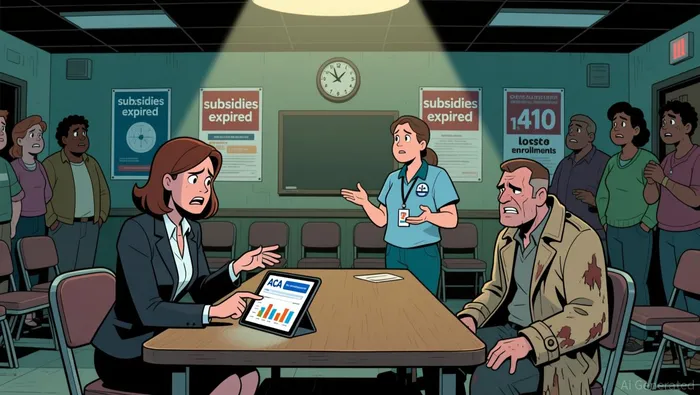
The expiration of enhanced premium tax credits under the Affordable Care Act (ACA) is having a measurable impact on enrollment and affordability, particularly for low-income Americans. As of early 2026, data from the Centers for Medicare & Medicaid Services shows that 22.8 million individuals have enrolled in ACA plans — a decline of 1.4 million from the same period last year. These subsidies, which were expanded during the pandemic to cover more Americans, expired at the end of 2025, leaving many to face steeply increased premiums. For example, one analysis found that average premiums for those receiving assistance could jump by 114% in 2026. The expiration has sparked a political and policy debate over whether and how to extend the subsidies — with no clear solution in sight.
What Happens If ACA Subsidies Expire for Marketplace Insurance?
The expiration of enhanced ACA subsidies has directly led to soaring premiums and a sharp drop in enrollment. Many Americans who previously relied on subsidies that covered the full cost of their premiums now face significant out-of-pocket costs. This is particularly true in states that did not expand Medicaid, where ACA marketplaces serve as the primary access point for low-income individuals. In Georgia, for instance, over 98% of ACA enrollees relied on subsidies. The expiration means that many of these individuals now have to pay the full cost of their coverage — or risk losing it altogether. As a result, some are dropping their plans or switching to high-deductible plans with lower monthly premiums but higher out-of-pocket costs. This shift could strain the broader healthcare system by reducing preventive care and increasing emergency room visits.
Why Is There a Political Deadlock Over ACA Premium Tax Credits?
Bipartisan negotiations to extend the ACA's enhanced tax credits have stalled, with Republicans pushing for reforms such as a $5 minimum monthly premium to reduce fraud and Democrats resisting these changes to avoid coverage loss for lower-income Americans. Senate leaders remain divided, and the House recently passed a Democratic-led bill to extend the subsidies for three years — but the Senate has yet to act. The issue has become a political flashpoint ahead of the upcoming midterm elections, particularly in states where ACA enrollment growth has been driven by affordability. For example, Florida, where over 4.7 million people are enrolled in ACA plans, is seeing a particularly sharp decline in enrollment. Republicans argue that zero-premium plans make it easier for fraudulent enrollment, while Democrats emphasize the risk of coverage loss for vulnerable populations. The lack of a clear legislative solution has left millions of Americans in limbo — and has created uncertainty for investors in the healthcare and insurance sectors.
What to Watch for in the Coming Months
The full impact of the subsidy expiration is expected to become clearer as the year progresses. By mid-year, the Centers for Medicare & Medicaid Services will issue its final enrollment report, which will give a more complete picture of how many individuals have dropped their coverage or switched to alternative forms of insurance, such as employer-sponsored plans or Medicaid. In the meantime, healthcare providers and hospitals — particularly in rural areas — are bracing for potential service reductions due to a decline in insured patients. For investors, key watchpoints include the political negotiations in Congress over subsidy extensions, the final enrollment numbers, and the long-term impact on healthcare access and hospital operations. The outcome of these debates could shape the U.S. healthcare landscape for years to come — and have significant implications for the broader economy.

Stay ahead of the market.
Get curated U.S. market news, insights and key dates delivered to your inbox.


AInvest
PRO
AInvest
PRO



Comments
No comments yet