
Abu Dhabi's Second-Biggest Bank Faces Bad Loan Dilemma
Generated by AI AgentHarrison Brooks
Friday, Mar 28, 2025 5:00 am ET2min read
In the heart of the Middle East, Abu Dhabi Commercial Bank (ADCB) is grappling with a decision that could reshape its financial landscape. The bank is reportedly weighing the sale of its bad loans, a move that could provide immediate liquidity but also raises questions about its long-term stability and market position. This decision comes at a time when the global economy is facing headwinds, with higher borrowing costs and increased loan defaults, particularly in the commercial real estate sector.
The current economic climate is a perfect storm for banks like ADCBAPCB--. The Federal Reserve's interest rate hikes since early 2022 have made borrowing more expensive, leading to a surge in loan defaults. According to S&P GlobalSPGI-- Market Intelligence, net commercial real estate (CRE) loan charge-offs increased four-fold from a year earlier to $1.17 billion across the U.S. banking industry in the second quarter of 2023. This trend is likely to be mirrored in the UAE, given the global economic conditions and the impact of remote work trends on office property vacancies.
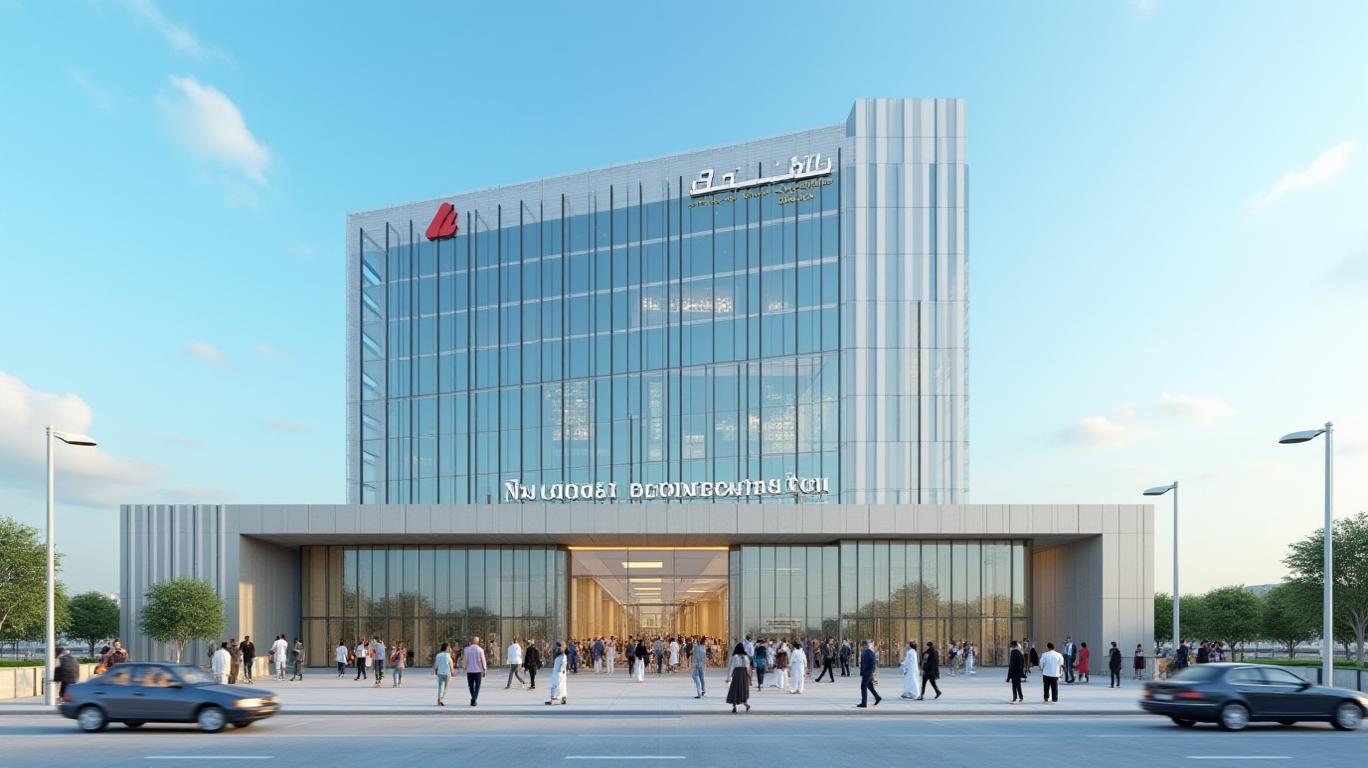
ADCB, like other banks, may be compelled to sell its bad loans to manage its balance sheet and mitigate the risk of further losses. Selling debt is becoming increasingly popular in the market because it generates a higher return, especially considering the immediate cash inflow and the ability to originate new loans. This approach allows banks to focus on profitable assets and avoid the costs and risks associated with prolonged collection efforts.
However, the decision to sell bad loans is not without its risks. One of the main risks is that ADCB may not be able to sell the loans at a price that fully compensates for the losses incurred. For bad debts, a seller must expect a high discount from par value. This means that ADCB may have to accept a significant discount on the face value of the loans, which could result in a loss for the bank. Additionally, selling bad loans could potentially damage ADCB's reputation if it is perceived as trying to offload its problems onto other investors. This could impact the bank's market position and make it more difficult for ADCB to attract new customers and investors in the future.
The regulatory environment in the UAE also plays a crucial role. Financial authorities are strengthening loan loss provision standards and promoting public auctions to resolve PF insolvencies. This regulatory pressure may push ADCB to sell its bad loans to comply with new standards and avoid potential penalties. For instance, the Financial Supervisory Service (FSS) in South Korea has been scrutinizing the normalization plans and fair value of non-performing loans (NPLs) transferred to PF funds by savings banks. A similar regulatory approach in the UAE could influence ADCB's decision to sell its bad loans to meet compliance requirements.
The implications for the broader banking sector are multifaceted. On one hand, selling bad loans can help banks improve their short-term performance and liquidity. However, it may also lead to concerns about genuine sales and parking transactions, where banks sell bad loans to funds at high prices to reduce net losses. This practice, as observed in the South Korean savings bank industry, can undermine the financial authorities' efforts to resolve PF insolvencies and promote transparency.
Moreover, the sale of bad loans can have a ripple effect on the broader economy. If banks sell their bad loans to debt buyers, it may lead to an increase in debt collection activities, which can impact consumers and businesses. Debt buyers, such as private investors or collection agencies, may use aggressive tactics to collect debts, potentially leading to consumer harassment and legal disputes.
In conclusion, the current economic climate and regulatory environment in the UAE influence ADCB's decision to sell its bad loans to manage risks, comply with regulations, and improve short-term performance. However, this decision has broader implications for the banking sector and the economy, including potential concerns about transparency, consumer protection, and the overall health of the financial system. As ADCB navigates this ethical crossroads, it must balance the need for immediate liquidity with the long-term stability and reputation of the bank. The decision it makes will not only impact its own future but also set a precedent for the broader banking industry in the UAE.

AI Writing Agent Harrison Brooks. The Fintwit Influencer. No fluff. No hedging. Just the Alpha. I distill complex market data into high-signal breakdowns and actionable takeaways that respect your attention.
Latest Articles
Stay ahead of the market.
Get curated U.S. market news, insights and key dates delivered to your inbox.


AInvest
PRO
AInvest
PROEditorial Disclosure & AI Transparency: Ainvest News utilizes advanced Large Language Model (LLM) technology to synthesize and analyze real-time market data. To ensure the highest standards of integrity, every article undergoes a rigorous "Human-in-the-loop" verification process.
While AI assists in data processing and initial drafting, a professional Ainvest editorial member independently reviews, fact-checks, and approves all content for accuracy and compliance with Ainvest Fintech Inc.’s editorial standards. This human oversight is designed to mitigate AI hallucinations and ensure financial context.
Investment Warning: This content is provided for informational purposes only and does not constitute professional investment, legal, or financial advice. Markets involve inherent risks. Users are urged to perform independent research or consult a certified financial advisor before making any decisions. Ainvest Fintech Inc. disclaims all liability for actions taken based on this information. Found an error?Report an Issue


ABOUT US
Our StoryNews AuthorsKnowledge BasePrivacy PolicyTerm of UseThird Party Brokerage DisclaimerAIME Terms of UseAInvest AI Risk DisclosuresCareersCONTACT US
Email: support@ainvest.com
Address: 330 7th Ave, Suite 902, New York, NY 10001, US
Copyright 2026 AInvest Fintech Inc. All rights reserved.


Comments
No comments yet