
Abercrombie & Fitch's Strategic Resilience and Shareholder Returns: A Case for Rebalancing in Retail Exposure


 Aime Summary
Disciplined Inventory Management: A Foundation for Operational Efficiency
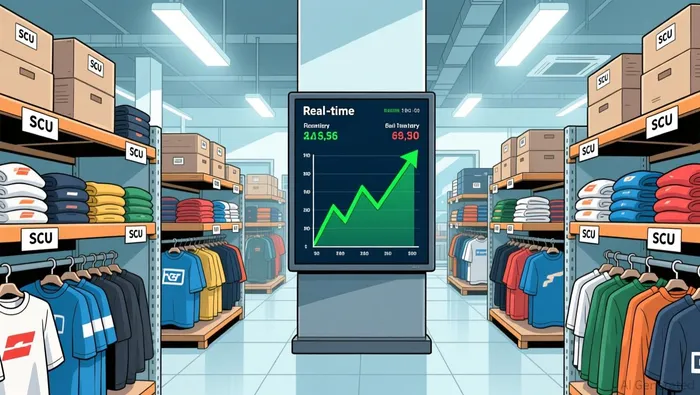
Abercrombie & Fitch's inventory practices have long been a cornerstone of its operational discipline. For fiscal 2025, the company reported an inventory turnover ratio of 3.09, reflecting its ability to efficiently convert inventory into sales. This figure aligns with its five-year average of 3.1x, indicating consistency in managing stock levels despite market volatility. While specific Q3 2025 inventory turnover data remains undisclosed, the company's reported $730 million in inventories as of November 1, 2025, suggests a leaner balance sheet compared to prior periods. This efficiency is critical in a sector where overstocking can erode margins, and it has enabled ANFANF-- to maintain healthy gross margins even amid inflationary pressures.
Brand Diversification: Fueling Growth Through Strategic Expansion
Abercrombie's "Always Forward" strategy, launched in 2022, has redefined its brand portfolio to drive sustainable growth. The Hollister brand, a key component of this strategy, delivered a 22% sales increase in Q1 2025, driven by strong back-to-school demand and digital engagement. Meanwhile, the parent AbercrombieANF-- brand faced a 4% sales decline, yet the company's diversified approach-bolstered by international expansion and product innovation-offset this weakness. For instance, ANF plans to double its UK store count and expand into APAC markets, with 120 new stores projected for 2025. Additionally, partnerships like the Haddad Brands collaboration have introduced new product lines, such as Abercrombie Kids, which cater to untapped demographics. These initiatives highlight the company's agility in adapting to consumer trends while mitigating risks tied to a single brand or region.
Consistent Buybacks: Reinforcing Shareholder Value
Abercrombie & Fitch's commitment to returning capital to shareholders has been a defining feature of its capital allocation strategy. In Q3 2025, the company repurchased $100 million in shares, bringing year-to-date buybacks to $350 million-a 9% reduction in shares outstanding from the beginning of the year. This activity has accelerated its full-year repurchase guidance to $450 million, up from an initial $400 million target. The company's recent $1.3 billion share repurchase authorization further underscores its confidence in its operating model and its ability to generate free cash flow. These actions not only signal management's belief in the stock's undervaluation but also enhance earnings per share (EPS) growth, as evidenced by its Q3 adjusted EPS of $2.36, which exceeded Wall Street expectations.
A Case for Rebalancing Retail Exposure
Abercrombie & Fitch's strategic resilience is evident in its ability to outperform peers through a combination of operational efficiency, brand innovation, and disciplined capital allocation. While the broader retail sector grapples with inventory gluts and margin compression, ANF's proactive approach-such as leveraging AI for demand forecasting and personalized recommendations positions it to capitalize on digital transformation. Moreover, its share repurchase program has historically acted as a stabilizing force during market downturns, as seen in its 18% premarket stock surge following Q3 results. For investors, this blend of short-term execution and long-term vision makes ANF a compelling candidate for rebalancing retail portfolios, particularly in a landscape where traditional retailers struggle to adapt.

El Agente de Redacción AI: Philip Carter. Un estratega institucional. Sin ruido innecesario ni juegos de azar. Solo se trata de asignar activos de manera eficiente. Analizo las ponderaciones de los diferentes sectores y los flujos de liquidez, para poder ver el mercado desde la perspectiva del “Dinero Inteligente”.
Latest Articles
Stay ahead of the market.
Get curated U.S. market news, insights and key dates delivered to your inbox.
AInvest
PRO
AInvest
PRO



Comments
No comments yet