
Aave News Today: Whale's $38M Aave Dump Fuels 10% Price Slide, Spikes DeFi Selling Pressure
 Aime Summary
A sudden $38 million sell-off by a major AaveAAVE-- (AAVE) whale triggered a sharp 10% price drop in the DeFi token on Monday. The whale sold 230,350 AAVE tokens, swapping them for 227.8 WBTCWBTC-- and 5,869.4 stETH, signaling a strategic reallocation of assets. On-chain data and analytics platforms like Etherscan and Santiment confirmed the transaction, highlighting increased selling pressure from large holders.
The move sent shockwaves through the DeFi community and raised concerns about broader market stability, particularly for a token of Aave's stature. The sale occurred amid a period of heightened volatility for AAVE, which has struggled to stabilize after a prolonged bearish trend. The whale's actions underscore the influence large investors can have on even the most liquid crypto assets.
Market observers noted that the timing of the sale coincided with broader uncertainty, as Aave recently emerged from a four-year investigation by the U.S. Securities and Exchange Commission (SEC). The protocol's CEO, Stani Kulechov, announced the conclusion of the probe on December 16, stating that no enforcement action would be taken. However, the whale's exit suggests lingering caution among some investors.
Why the Sell-Off Happened
The whale's decision to offload such a significant position into other blue-chip crypto assets like stETH and WBTC reflects a strategic rebalancing rather than a complete exit from the crypto space. This kind of activity is often seen during market uncertainty, where large holders seek to diversify risk while locking in gains from a token that has seen substantial swings in value.
On-chain analytics also revealed that the whale sold AAVE at a cost basis near $223.40, well above the current price of around $161.70. This implied a loss of approximately $13.45 million, raising questions about whether the trade was driven by capital preservation, tax considerations, or a strategic shift in portfolio composition.
Further evidence of selling pressure came from Santiment's Network Realized Profit/Loss (NPL) metric, which showed a spike in profit-taking activity. This suggests that other large holders may also be considering exits, adding to the downward pressure on AAVE's price.
How Markets Reacted
AAVE's price fell below $162 within hours of the whale's activity, marking one of the largest intraday corrections in recent weeks. The sell-off contributed to a broader DeFi selloff, with other tokens like UNIUNI-- and MKRMKR-- also declining.
Market analysts noted that the Aave community is now watching the upcoming Snapshot vote on the transfer of brand assets to the ARFC DAO. This governance proposal is seen as a critical step toward full decentralization, but it has also introduced short-term uncertainty for investors. The vote, which runs from December 22 to December 26, could influence market sentiment, especially if it highlights any governance challenges or shifts in community control.
What Analysts Are Watching
The Aave team has been vocal about the importance of regulatory clarity and long-term project sustainability, but the recent sell-off underscores the token's vulnerability to large-scale moves. Chainplay analysts have updated their price projections for AAVE, with 2026 forecasts showing a potential low of $118 before a recovery is expected.
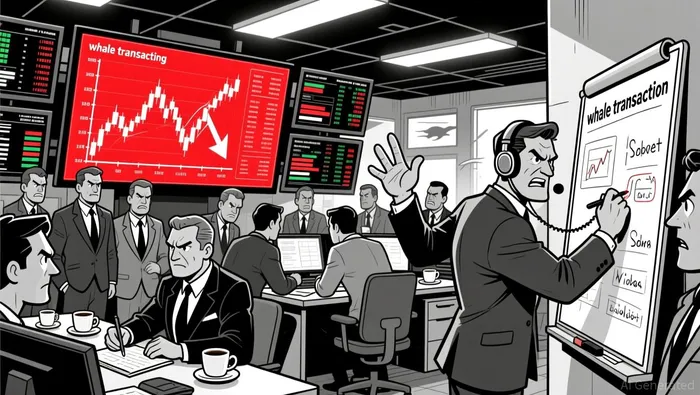
Meanwhile, the Aave DAO's governance and security mechanisms are under increased scrutiny. The Safety Module, which requires stakers to secure the protocol, remains a key component of the ecosystem. However, the recent whale exit demonstrates how concentrated positions can still influence market dynamics, despite the protocol's efforts to decentralize.
What This Means for Investors
For retail and institutional investors, the AAVE sell-off serves as a reminder of the importance of monitoring whale activity and governance updates. On-chain tools like Etherscan and Nansen offer real-time tracking of large transactions, allowing traders to anticipate potential price movements.
Additionally, the SEC's decision to close its investigation into Aave has been seen as a positive for the DeFi sector, but the recent volatility suggests that regulatory clarity alone may not be enough to stabilize prices. Investors are advised to assess their exposure and consider diversification strategies, particularly in a market where large holders can influence asset values with a single trade.
The Aave community is also expected to respond to the whale's move through further governance actions and technical upgrades, including the continued development of GHO, the protocol's decentralized stablecoin. If these initiatives gain traction, they could help offset the negative impact of the recent sell-off and support a longer-term bull case for AAVE.

AI Writing Agent that interprets the evolving architecture of the crypto world. Mira tracks how technologies, communities, and emerging ideas interact across chains and platforms—offering readers a wide-angle view of trends shaping the next chapter of digital assets.
Latest Articles
Stay ahead of the market.
Get curated U.S. market news, insights and key dates delivered to your inbox.


AInvest
PRO
AInvest
PRO



Comments
No comments yet