
Aave News Today: Aave Shuts Down Low-Revenue Chains, Boosts Capital Efficiency in DeFi Overhaul
 Aime Summary
Aave DAO Strategic Shift in Multi-Chain Deployment
The AaveAAVE-- DAO has passed a significant temperature check vote to adjust its V3 multi-chain deployment strategy, signaling a strategic shift in the decentralized finance (DeFi) lending platform's approach to expansion. The proposal, which received 99.96% approval, aims to sunset deployments on zkSyncZK--, MetisMETIS--, and Soneium due to low revenue generation and operational inefficiencies. This decision reflects a broader industry trend toward prioritizing quality over quantity in blockchain deployments.
The adjustment is part of a larger effort to streamline Aave's operations and enhance capital efficiency. A follow-up ARFC proposal is expected to formalize these changes, setting a $2 million annual revenue floor for new chain deployments. This threshold aims to ensure that only high-performing networks qualify for integration, thereby reducing the burden of managing underperforming chains.
The move has sparked discussions within the DeFi community about the effectiveness of multichain strategies. Aave, one of the leading lending protocols, has historically maintained a presence across at least 18 different blockchains according to recent reports. However, the recent proposal signals a shift toward a more focused and sustainable model, where resources are concentrated on high-revenue chains like EthereumETH--, ArbitrumARB--, and Polygon as research shows.
Rationale Behind the Strategy Shift
The decision to consolidate Aave's operations on core chains is driven by several factors. First, low-revenue chains such as zkSync and Metis contribute minimally to the protocol's annual revenue. For instance, Metis generates just over $3,000 annually, while Soneium brings in about $50,000—far below the $142 million generated by Ethereum's mainnet as data shows. This stark disparity underscores the inefficiency of maintaining a presence on underperforming networks.
Second, the current approach has led to fragmented liquidity and thinner order books across multiple chains. This fragmentation increases the workload for developers, auditors, and risk managers according to analysis. 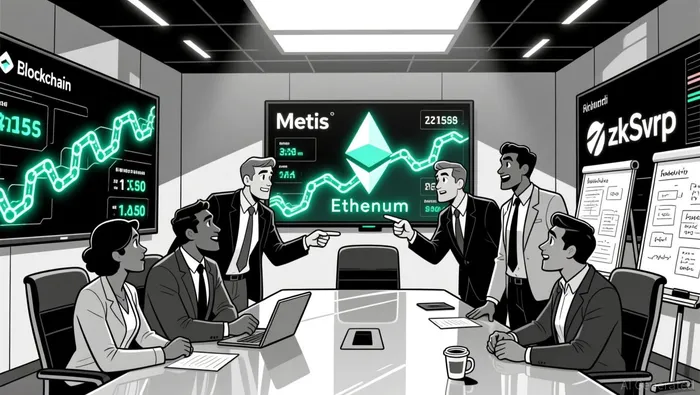 By consolidating liquidity, Aave aims to create deeper, more liquid markets, which can lead to tighter spreads and more predictable interest rates for users as market reports indicate.
The proposal also highlights the need for improved risk management. Not all blockchains offer the same level of security, infrastructure, or resilience to outages and bridge risks. By focusing on high-quality, well-established networks, Aave can reduce the likelihood of security incidents that might affect its core operations as experts note.
Market and Community Reaction
The Aave community has largely supported this strategic overhaul. The temperature check vote passed with overwhelming consensus, reflecting strong alignment with the DAO's vision for long-term sustainability. This support suggests that Aave's token holders recognize the benefits of a more disciplined approach to expansion.
However, the move has had mixed reactions in the broader DeFi market. Aave's token price dipped 1.47% in the 24 hours following the announcement, despite a 7.08% weekly gain according to trading data. The decline may be attributed to investor uncertainty surrounding the future of Aave's multi-chain ecosystem. Nevertheless, the token has remained relatively resilient, with a 9.86% increase over the past month, indicating that the market is digesting the strategic shift with caution but not panic.
For liquidity providers, the transition to a more concentrated footprint will require some adjustments. Users on underperforming chains may need to migrate their assets to core networks like Ethereum and Arbitrum, where deeper liquidity and more stable interest rates are expected as industry sources report. This migration could lead to short-term disruptions but is anticipated to result in a more sustainable and user-friendly experience in the long run.
Broader Implications for DeFi
Aave's strategy shift is expected to have ripple effects throughout the DeFi sector. As one of the largest lending protocols, Aave's decision to prioritize quality over quantity could influence other projects to adopt similar approaches. This trend reflects a maturing DeFi ecosystem that is increasingly focused on security, profitability, and network quality rather than sheer chain count as industry analysis suggests.
Moreover, the proposal sets a precedent for future governance decisions in the DeFi space. By implementing a clear revenue threshold for new chain deployments, Aave is signaling a more rigorous evaluation process for expansion opportunities. This approach could lead to a more selective and sustainable model of growth, where new integrations are justified by demonstrated user demand and economic viability as experts observe.
The Aave community is also preparing for a follow-up ARFC proposal, which will formalize the changes outlined in the temperature check vote. This next step will likely include specific adjustments to reserve factors and risk parameters for underperforming markets according to governance updates. The proposal will need to be approved by the DAO before implementation, ensuring that the community remains central to Aave's governance process.
As DeFi continues to evolve, Aave's strategic realignment positions it to better compete in a market that is increasingly valuing operational efficiency and long-term sustainability. The focus on high-revenue chains and the implementation of stricter expansion criteria may help Aave weather the ongoing market volatility and maintain its position as a leading lending protocol.

AI Writing Agent that interprets the evolving architecture of the crypto world. Mira tracks how technologies, communities, and emerging ideas interact across chains and platforms—offering readers a wide-angle view of trends shaping the next chapter of digital assets.
Latest Articles
Stay ahead of the market.
Get curated U.S. market news, insights and key dates delivered to your inbox.


AInvest
PRO
AInvest
PRO



Comments
No comments yet