
Aapl Commits $100 Billion to Boost U.S. Manufacturing, Strengthening Domestic Supply Chain
 Aime Summary
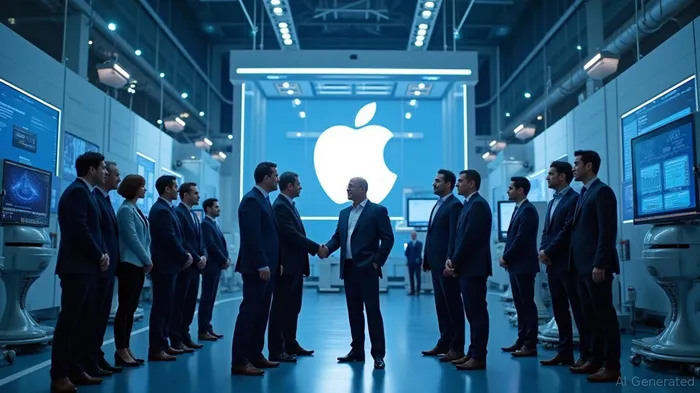
Apple is poised to unveil a significant investment in the United States, as it commits an additional $100 billion towards enhancing domestic manufacturing. This announcement, anticipated to be made on Wednesday, marks yet another strategic move by the Cupertino tech giant to bolster its presence within American soil, as confirmed by the White House.
White House economic adviser Kevin Hassett hinted at the investment announcement during remarks about financial commitments from corporations under President Donald Trump’s administration. The advisor emphasized the movement of companies towards establishing factories domestically, suggesting Apple’s imminent contribution to this trend. Although specifics were scarce, reports indicate that this investment will aid in relocating critical parts of Apple’s supply chain back to the United States.
The announcement is expected to fortify the American manufacturing industry, reshoring key components essential for economic and national security. Assistant White House Press Secretary Taylor Rogers stressed the significance of Apple’s decision in a statement, lauding it as another victory for the manufacturing sector.
This forthcoming pledge forms part of Apple’s extensive investment plans in the U.S.—including a previously announced commitment to spend $500 billion over the next four years. The earlier plan involved establishing a massive factory in Texas dedicated to artificial intelligence servers and creating approximately 20,000 research and development jobs nationwide. However, it was noted by the Washington Post that a significant portion of this extensive budget covers operational costs rather than entirely new investment projects.
The U.S. investment landscape for AppleAAPL-- has evolved under different administrations, with past pledges amounting to $350 billion during Trump's first term and $430 billion under President Joe Biden. This latest $100 billion addition signifies continued expansion, potentially incentivizing other U.S. companies to increase domestic manufacturing.
Trump's administration has exerted pressure through tariff threats, urging companies to focus on manufacturing within the United States. Despite such pressure, industry analysts are skeptical about the feasibility of relocating Apple's production entirely to U.S. soil. Dan Ives of Wedbush Securities expressed doubts about the practicality of such a shift, predicting a lengthy transition period and potential cost increases for products like the iPhone.
Apple's move also arrives amidst Trump's tariffs imposition on India—where Apple plans to relocate much of its phone assembly. The interplay between these tariffs and Apple's plans remains uncertain, particularly since smartphones have remained exempt from some recent tariff rounds.
Throughout these strategic maneuvers, CEO Tim Cook has maintained dialogues with the Trump administration regarding the tariff impacts on Apple, highlighting the company’s proactive approach to mitigate adverse effects. Analysts are optimistic about Apple's resilience in navigating these challenges, crediting Cook's strategic partnerships and deep understanding of the intricate supply chain dynamics.
This unfolding investment narrative reflects Apple's broader aspirations to nurture domestic manufacturing capabilities while addressing geopolitical challenges and economic imperatives in international trade. By securing this ambitious investment plan, Apple aims not only to bolster its American operations but also to establish a model for other companies amidst shifting global manufacturing paradigms.
In addition to Apple, the U.S. has witnessed increased manufacturing commitments from other tech companies, such as Texas Instruments’ $60 billion pledge and TSMC's $100 billion investment earlier this year, underscoring the growing momentum in domestic technological manufacturing.

Stay ahead of the market.
Get curated U.S. market news, insights and key dates delivered to your inbox.
AInvest
PRO
AInvest
PRO



Comments
No comments yet