
A320 Grounding and Its Ripple Effects on Global Aviation Stocks


 Aime Summary
, triggered by a critical software flaw linked to solar radiation, has sent shockwaves through the global aviation industry. This unprecedented recall, , has exposed vulnerabilities in aircraft software systems and forced airlines to grapple with operational risks, stock volatility, and urgent fleet diversification strategies. As regulators and manufacturers scramble to address the crisis, investors are left to assess the long-term implications for airline profitability and aerospace innovation.
Operational Risks: A Perfect Storm of Disruption
The root cause of the grounding lies in the Elevator Aileron Computer (ELAC) system, which governs pitch control.
Intense solar radiation was found to corrupt data in this system, potentially leading to uncommanded elevator movements that could exceed structural limits. The European Union Aviation Safety Agency (EUSA) issued an Emergency Airworthiness Directive (EAD),
mandating urgent software updates or hardware replacements for affected aircraft. ,
of hardware modifications, prolonging their return to service.
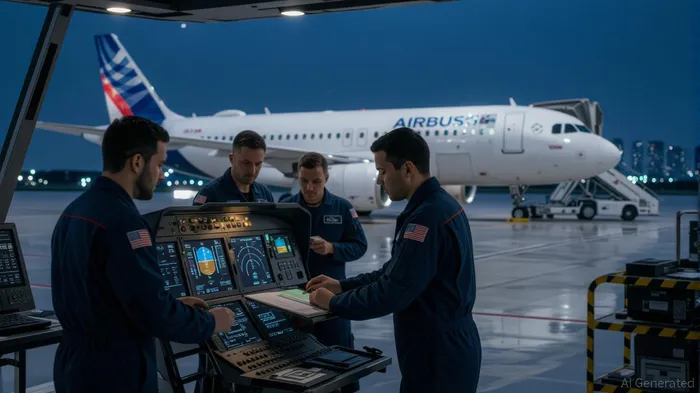
The operational fallout has been severe. Airlines such as American AirlinesAAL--, DeltaDAL--, and IndiGo have faced flight cancellations and delays,
. The timing-coinciding with the U.S. Thanksgiving travel period-
exacerbated the financial strain, as airlines incurred higher maintenance costs and lost revenue from reduced capacity. For instance, , while Spirit Airlines, which relies heavily on A320s,
amid bankruptcy restructuring. These disruptions highlight the fragility of modern aviation systems, where software vulnerabilities can cascade into global operational chaos.
Stock Market Reactions: Volatility and Investor Anxiety
The equity market responded swiftly to the crisis. Airlines with large A320 fleets, including Avianca, ANA Holdings, and British Airways,
saw their stocks plummet as investors priced in the risks of prolonged disruptions and rising repair costs.
According to Bloomberg, , . While specific stock price data for IndiGo and Air India post-grounding is sparse, broader market trends suggest similar pressures.
noted , 2025, due to infrastructure optimism, but the grounding likely tempered this momentum.
The crisis also raised questions about Airbus' quality control. Despite the company's emphasis on safety, , .
Shares of Airbus parent company .
Fleet Diversification: A Path to Resilience
Faced with operational and financial headwinds, airlines are accelerating fleet diversification strategies to mitigate risks. United AirlinesUAL--, for example,
has reduced domestic capacity and prioritized international routes, aligning its fleet with high-value markets while retiring older aircraft. Similarly, IndiGo is investing in long-term solutions,
to expand aircraft ownership and reduce reliance on leases. , Repair,
according to reports.
Air India, meanwhile, is navigating a more complex landscape. The airline's recent merger with Vistara has consolidated its full-service operations, but
Boeing 737 MAX delivery delays have forced it to rely on leased and aging aircraft. To counter this, Air India is diversifying suppliers and exploring alternative aircraft models, though
infrastructure constraints and rising fuel costs remain challenges.
The Road Ahead: Balancing Risk and Innovation
The A320 grounding underscores a broader industry trend: the increasing reliance on software in aircraft systems and the vulnerabilities this creates. ,
airlines must balance fleet modernization with risk management. For investors, , , .
While the immediate financial toll of the grounding is significant, . . For now, however, the aviation sector remains in a state of flux, .

Stay ahead of the market.
Get curated U.S. market news, insights and key dates delivered to your inbox.




Comments
No comments yet