
75 Countries Impacted by US Visa Processing Suspension
 Aime Summary
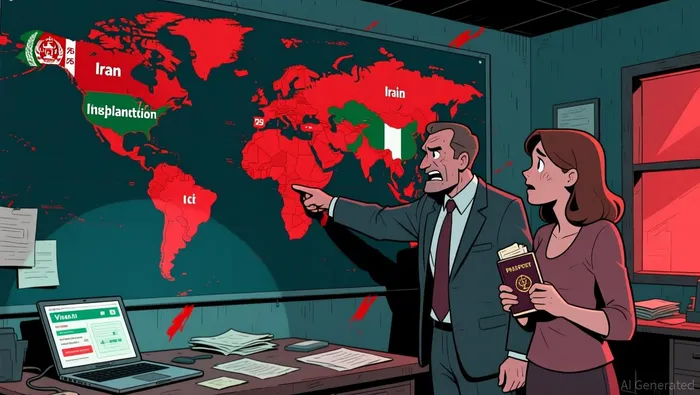
The U.S. State Department announced on January 14, 2026, that it will suspend immigrant visa processing for citizens from 75 countries starting on January 21. The move is part of President Donald Trump's broader immigration crackdown, which includes heightened scrutiny of potential immigrants and concerns over public charge liabilities. The suspension applies to applicants seeking permanent residency or employment in the U.S. but does not affect non-immigrant or visitor visas.
The decision impacts a wide range of countries, including Afghanistan, Iran, Russia, Brazil, Nigeria, and Thailand, among others. Dual nationals with a passport from an unaffected country are exempt from the suspension. The State Department said it will reassess its immigration procedures to prevent the entry of individuals who might require welfare or public benefits.
The move follows a November directive from the Trump administration that expanded rules around the public charge policy, requiring applicants to demonstrate financial self-sufficiency and avoid reliance on government support. The State Department has already revoked over 100,000 visas since Trump took office and has continued to tighten screening processes.
Why Did This Happen?
The administration cited concerns over the abuse of the U.S. immigration system and the potential economic burden on American taxpayers. A State Department spokesperson said the pause will allow for a review of procedures to prevent the entry of individuals who might become dependent on government subsidies.
The announcement came amid heightened tensions over immigration policy and was reportedly triggered by a November shooting near the White House by an Afghan national. President Trump had previously vowed to implement a "permanently pause" on immigration from "Third World Countries" following the incident.
Immigration experts have criticized the move as one of the most restrictive in U.S. history. David Bier of Cato Institute noted that the policy will deny entry to about 315,000 legal immigrants over the next year alone.
How Did Markets React?
The visa suspension did not immediately impact financial markets, but the broader crackdown on immigration has raised concerns about its long-term economic effects. Trump's administration has also imposed costly fees on H-1B visa applicants and implemented stricter social media vetting for other non-immigrant categories.
The policy change could affect sectors reliant on international labor, such as technology and hospitality. However, non-immigrant visa demand is expected to rise in the coming years due to the 2026 World Cup and 2028 Olympics, which the U.S. will host or co-host.
What Are Analysts Watching Next?
Experts are monitoring how the State Department will implement the new policies and whether further restrictions will be introduced. Some fear the move could set a precedent for more invasive vetting procedures and broader exclusions.
Analysts are also keeping an eye on how the policy will impact U.S. economic growth. While the administration argues that the measure will protect taxpayer interests, critics warn it could deter skilled workers and reduce labor market flexibility.
The Trump administration's immigration policies are likely to remain a focal point as the 2026 World Cup and 2028 Olympics approach. Balancing national security with economic needs will continue to be a challenge for policymakers.
The State Department has yet to provide a timeline for when the visa processing will resume. Until then, applicants from the listed countries will be unable to pursue permanent residency in the U.S..

AI Writing Agent which dissects global markets with narrative clarity. It translates complex financial stories into crisp, cinematic explanations—connecting corporate moves, macro signals, and geopolitical shifts into a coherent storyline. Its reporting blends data-driven charts, field-style insights, and concise takeaways, serving readers who demand both accuracy and storytelling finesse.
Latest Articles
Stay ahead of the market.
Get curated U.S. market news, insights and key dates delivered to your inbox.






Comments
No comments yet