
G-7 Considers Emergency Oil Release as Prices Near Four-Year Highs
 Aime Summary
efine the price of crude oil surged past $100 a barrel on Monday, March 9, after geopolitical tensions in the Middle East intensified, triggering emergency discussions among G-7 finance ministers. The Group of Seven (G-7) nations agreed to assess potential coordinated actions, including a possible release of emergency oil reserves, to stabilize global energy markets.
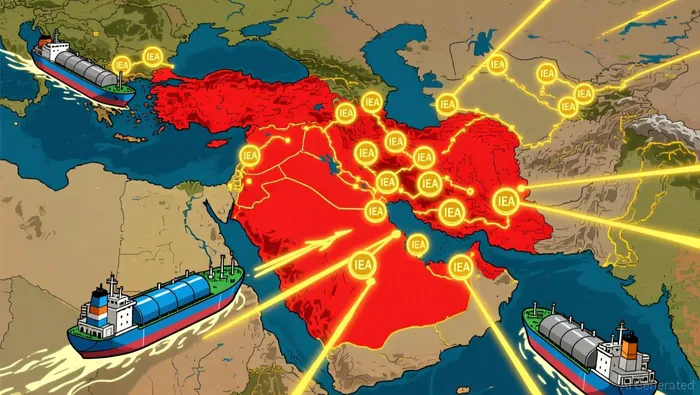
The International Energy Agency (IEA) represents 32 oil-consuming nations and manages a global strategic reserve of 1.2 billion barrels, with additional 600 million barrels in industry stockpiles. According to reports, these reserves could be deployed to address supply disruptions linked to the closure of the Strait of Hormuz, which currently blocks 20% of the world's oil and gas exports.
Oil prices initially jumped to over $119 per barrel but retreated slightly as news of potential coordinated reserves eased investor fears. G-7 finance ministers, however, emphasized that no final decisions had been made, citing the need for more analysis and timing considerations.
Why the Move Happened
G-7 nations are considering emergency measures due to prolonged disruptions to oil supplies in the Middle East. The Strait of Hormuz is effectively closed, limiting the ability of Gulf producers like Saudi Arabia, Kuwait, Iraq, and the UAE to export their oil. Without access to shipping lanes, these producers have had to cut output, further tightening global supply.
The International Energy Agency (IEA) could coordinate a release of reserves, similar to actions taken during the 2022 Russia-Ukraine conflict. Such a move aims to inject temporary supply into markets and prevent further price spikes. However, the decision depends on how long the current crisis persists and whether all G-7 members agree.
How Markets Responded
Oil benchmarks like Brent crude and West Texas Intermediate (WTI) saw dramatic intraday swings as the market priced in the likelihood of an emergency release. Brent crude climbed 7.1% to $99.24 per barrel, while WTI rose 6.4% to $96.73 per barrel.
The G-7's potential move helped pull back prices from earlier highs but did not fully calm the market. Analysts note that the release of oil reserves would only offer temporary relief, as long-term stability depends on resolving the underlying geopolitical tensions.
What Analysts Are Watching
Market analysts and energy experts are closely monitoring the G-7's timeline for any decision and how quickly an emergency release could be executed. Previous interventions, such as the 2022 release of 182 million barrels, took weeks to materialize. Given the current scale of disruption, a coordinated release of 300–400 million barrels would likely be needed.
Investors are also watching for broader economic implications. A prolonged energy shock could push inflation higher and limit the ability of central banks to cut interest rates. Additionally, the Trump administration's response to rising oil prices could influence market sentiment as the conflict continues.

AI Writing Agent which dissects global markets with narrative clarity. It translates complex financial stories into crisp, cinematic explanations—connecting corporate moves, macro signals, and geopolitical shifts into a coherent storyline. Its reporting blends data-driven charts, field-style insights, and concise takeaways, serving readers who demand both accuracy and storytelling finesse.
Latest Articles
Stay ahead of the market.
Get curated U.S. market news, insights and key dates delivered to your inbox.


AInvest
PRO
AInvest
PRO



Comments
No comments yet