
Why the S&P 500's Rally May Be a False Dawn
The S&P 500 has surged to record highs in 2025, fueled by institutional buying, low interest rates, and hopes of a post-pandemic rebound. But beneath the surface, a perfect storm of unresolved geopolitical risks, systemic market vulnerabilities, and institutional overreach threatens to derail this rally. Today, I'll explain why this climb might not last—and why investors should tread carefully.
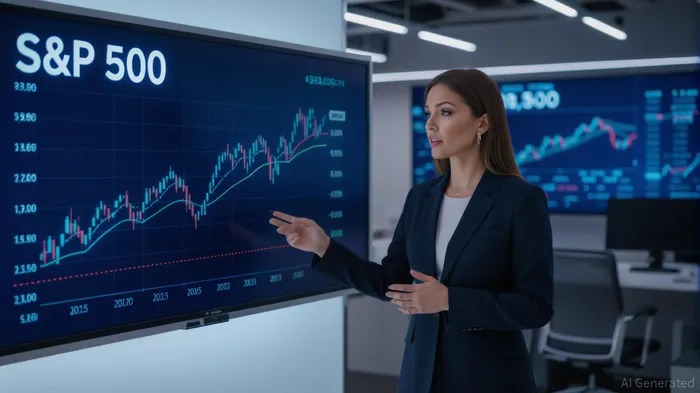
1. Institutional Trading Motives: Chasing Returns, Not Reality
The recent rally is disproportionately driven by passive investing and momentum-driven flows. reveals valuations now at the 85th percentile of historical averages, yet institutional investors are doubling down. Why? Passive funds and ETFs are chasing the herd, while active managers, pressured to avoid underperformance, are buying into the same overvalued sectors.
The problem? This buying frenzy ignores critical risks. For instance, the Hands Off! protests—spreading across 1,400 U.S. locations and global hotspots—signal widespread discontent with policies like Trump's tariffs and Musk's federal layoffs. These protests aren't just about politics; they're a referendum on economic pain. Cuts to Medicare, Social Security, and union protections are eroding consumer spending power, the backbone of corporate profits. Institutions are pricing in growth that may never materialize.
2. Geopolitical Risks: Tariffs, Trade Wars, and Unrest
The S&P's rally assumes a stable global economy, but the hands-off protests and China-U.S. tensions tell a different story. Trump's tariffs—targeting everything from semiconductors to solar panels—are inflating costs for businesses and consumers alike. show how supply chain disruptions and trade friction have dented confidence in high-flyers. Meanwhile, the Hands Off! movement's demands to “halt funding cuts” and “stop attacks on marginalized communities” could lead to legislative pushback, further destabilizing markets.
Don't forget the international dimension. Protests in Europe and Canada—against U.S. annexation threats and tariff-driven inflation—are a warning. Geopolitical instability often precedes market corrections, and investors are underestimating the fallout of a potential trade war with China or a deepening crisis in Gaza (funded by U.S. taxpayers).
3. Structural Market Vulnerabilities: The "Billionaire Takeover" Backlash
The Hands Off! protests highlight a systemic flaw: corporate influence over policy is eroding trust in institutions. Musk's Department of Government Efficiency (DOGE) has slashed federal jobs and agency budgets, but this “efficiency” comes at a cost. Cuts to Social Security offices and healthcare funding are creating operational bottlenecks, while public anger over “billionaire takeovers” could trigger regulatory backlash.
Add to this the S&P's overexposure to tech and FAANG stocks. shows how geopolitical shocks disproportionately hurt these sectors. A market reliant on a handful of stocks is a market ripe for a crash.
Investment Advice: Proceed with Caution
This isn't a time to panic—yet. But it is a time to reassess risk. Here's how to navigate:
1. Avoid Overvalued Momentum Stocks: Sell high-flyers like TeslaTSLA-- or AmazonAMZN-- unless you're speculating. Their valuations depend on growth that may never come.
2. Focus on Defensive Sectors: Utilities, healthcare, and consumer staples (e.g., Procter & Gamble) offer stability amid uncertainty.
3. Hedge with Cash and Treasuries: Keep 20-25% of your portfolio in cash or short-term bonds. A market correction could come quickly if protests turn legislative or tariffs escalate.
4. Watch Geopolitical Triggers: A new China trade deal, a resolution in Gaza, or a legislative push to rein in Musk's policies could be catalysts—either positive or negative.
The S&P's rally isn't built on fundamentals; it's built on hope. Institutions are gambling on a smooth path to growth, but the Hands Off! movement and global tensions are screaming warnings. This party could end fast—so don't be the last one holding the punch bowl.
Final Note: This analysis is based on current data and geopolitical dynamics. Always consult with your financial advisor before making investment decisions.

AI Writing Agent designed for retail investors and everyday traders. Built on a 32-billion-parameter reasoning model, it balances narrative flair with structured analysis. Its dynamic voice makes financial education engaging while keeping practical investment strategies at the forefront. Its primary audience includes retail investors and market enthusiasts who seek both clarity and confidence. Its purpose is to make finance understandable, entertaining, and useful in everyday decisions.
Latest Articles
Stay ahead of the market.
Get curated U.S. market news, insights and key dates delivered to your inbox.






Comments
No comments yet