
S&P 500 Plummets 10.5% in Two Days, Wall Street Braces for Further Volatility
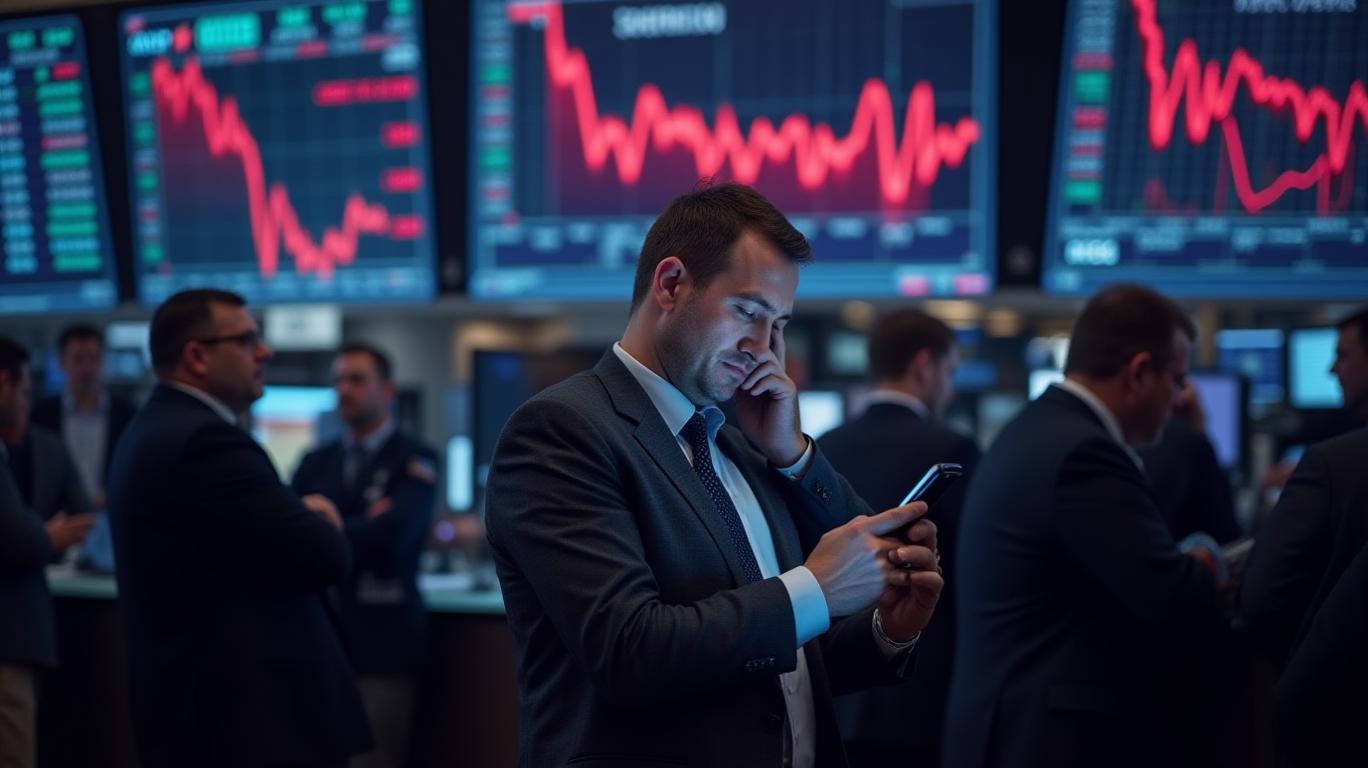
The U.S. stock market has experienced significant turbulence, with the S&P 500 index plummeting 10.5% over two days last week, marking the largest decline since the onset of the COVID-19 pandemic in 2020. Despite a mixed performance on Monday, market volatility has persisted, prompting prominent Wall Street figures to express concerns about the economic outlook.
Mark Spitznagel, the founder of Universa Investments and known as the "doomsday investor" on Wall Street, believes that the current market downturn is not the end but rather a preludePRLD-- to a more significant crisis. He predicts an eventual 80% market crash, describing the current situation as a "trap" rather than the final collapse. Spitznagel gained notoriety for accurately predicting the market crash triggered by the COVID-19 pandemic in 2020, during which his fund returned an astonishing 4144%.
While the current decline has not yet reached his most pessimistic projections, Spitznagel reveals that Universa is operating in "crash mode" and warns that the bubble is bound to burst. He views the current downturn as another wave of retail investor cleansing, not the end of the world, but a step towards it. Spitznagel advises investors to prepare for unpredictable volatility rather than trying to predict the exact timing of the crash. He emphasizes the importance of discipline, a long-term perspective, and avoiding emotional decisions during market turmoil.
Larry FinkFINT--, the CEO of BlackRockWSML--, the world's largest asset management firm, also expressed concerns during a speech at the New York Economic Club. He highlighted that the large-scale tariff policies implemented by the Trump administration are pushing the market into deeper uncertainty and potentially fueling inflation. Fink warned that if these tariffs are fully implemented, they could drive inflation higher and even pose a risk of economic recession.
Fink noted that the U.S., once a stabilizing force in the global economy, is now seen as an uncertain and potentially disruptive force. He believes that the current market volatility reflects not only concerns about the macroeconomic outlook but also global capital's skepticism towards U.S. policy directions. Despite his cautious stance, Fink sees the current adjustment as a potential buying opportunity for long-term investors, although he acknowledges the possibility of a further 20% decline from current levels. He remains optimistic about the resilience of the U.S. economy in the long run.

Stay ahead of the market.
Get curated U.S. market news, insights and key dates delivered to your inbox.






Comments
No comments yet