
S&P 500 Futures Drop Amid Geopolitical Tensions and AI Disruption Fears
 Aime Summary
S&P 500 futures have declined sharply amid rising inflation, geopolitical tensions, and AI disruption fears. The broader equity market faces pressure from rising oil prices and global uncertainties after recent strikes in the Middle East. Earnings reports and AI-driven workforce shifts are reshaping investor sentiment in technology and industrial sectors. Market expectations for interest rate cuts in 2026 remain intact, with central banks shifting focus to July and October. Investors are reevaluating global diversification strategies as European and Asian markets show stronger earnings growth compared to the U.S.
S&P 500 futures closed the month of February in negative territory, settling at 6,885, as global markets grappled with escalating geopolitical and credit risks. The ongoing tensions in the Middle East—triggered by U.S. and Israeli actions against Iran—have led to a sharp rise in crude prices, which climbed over 8% in a single session. This has pushed the broader market into a defensive posture, with investors seeking safe-haven assets and shifting away from rate-sensitive sectors like real estate and small-cap equities.
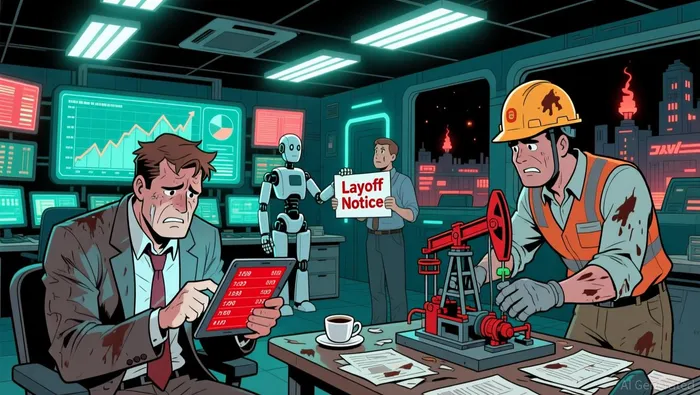
The March 2026 market environment has been shaped by a mix of macroeconomic pressures and corporate developments. Block's announcement of a significant workforce reduction tied to AI has fueled concerns over job market disruption across industries. Meanwhile, the U.S. producer price index for January exceeded expectations, raising questions about the pace of inflation and whether central banks will delay rate cuts into the second half of the year.
Despite these headwinds, the long-term fundamentals for the S&P 500 remain intact. The index has historically demonstrated a self-correcting nature, especially for younger investors who have time to ride out volatility. The broader debate around the "S&P 500 and chill" investment strategy has reignited, with many advocating for global diversification via vehicles like the Vanguard Total World Stock Index ETF (VT) to hedge against U.S. market dominance and technological disruptions.
Is S&P 500 Futures Still a Reliable Barometer for Equity Performance?
S&P 500 futures have traditionally been one of the most closely watched indicators of market sentiment. They reflect expectations for future price movements and are influenced by macroeconomic data, geopolitical risks, and earnings momentum. In early 2026, the index has faced pressure from a combination of factors: rising energy prices, AI-driven labor market shifts, and shifting rate expectations.
The E-mini S&P 500 futures contract has become a focal point for investors looking to hedge or speculate on near-term equity performance. The futures market is currently pricing in a 225-basis-point rate cut for the year, with the expectation that the first move will come in July rather than earlier in the year. This shift reflects a broader recalibration of the Federal Reserve's policy path in light of higher-than-expected inflation and geopolitical risks.
Why Is the S&P 500 Still a Core Holding for Young Investors in 2026?
For long-term investors—particularly those in their 20s and 30s—the S&P 500 remains a cornerstone of a diversified portfolio. Its broad exposure to U.S. large-cap equities has historically outperformed other asset classes over the long run. Passive investing in the index offers the advantage of low costs, broad diversification, and the ability to ride out market volatility without the need for constant rebalancing.
However, the recent volatility has prompted a broader conversation about whether a more diversified approach is warranted. Many investors are now considering adding exposure to international markets, particularly in Asia and Europe, where earnings growth is outpacing that of the U.S. at this stage of the global economic cycle. The Vanguard Total World Stock Index ETF (VT) and similar vehicles have gained traction as alternative ways to capture global growth while maintaining a long-term passive strategy.
What Investors Should Watch in the Coming Weeks
As we move into mid-March 2026, several key data points will shape the next phase of market direction:
- ADP and Non-Farm Payrolls Reports: These reports will offer critical insight into labor market health and could influence the Federal Reserve's rate path.
- Earnings from Tech Giants: Nvidia's upcoming earnings report and commentary from management will be closely watched for signals on AI adoption and profitability.
- Geopolitical Developments in the Middle East: Any escalation or de-escalation of tensions will directly impact oil prices and inflation expectations.
For now, the S&P 500 faces a challenging environment. But for investors with a multi-decade horizon, the index's historical resilience and capacity for self-correction remain compelling arguments for its inclusion in a well-balanced portfolio.
Investors should remain mindful that market conditions can shift rapidly, especially in a year marked by global uncertainty. However, those who focus on long-term trends and avoid overreacting to short-term volatility are likely to find themselves in a strong position as we look ahead to 2027 and beyond.

Stay ahead of the market.
Get curated U.S. market news, insights and key dates delivered to your inbox.


AInvest
PRO
AInvest
PRO



Comments
No comments yet