
5 Fundamentally Solid Stocks to Withstand Trump's Tariff Risks and Macro Uncertainty
The stock market has been on a rollercoaster, with President Trump's tariff risks and comments flipping investor sentiment in an instant. The dollar has been dethroned as gold surges, pushing skepticism about U.S. exceptionalism. Though we remain tactically bullish on U.S. stocks, as Q1 earnings have been strong, investor sentiment continues to be weighed down by a pessimistic outlook. The recent volatile stock movements are reminiscent of the 2020 crash, as we've analyzed before. However, the real impact of the tariffs may be more akin to the inflation surge of 2022. With some adjustments, investors may shift their focus to non-cyclical stocks, particularly those that could benefit from the ongoing tariff war. Below, we highlight our top 5 recommendations.
The Big Picture: Tariffs and Inflation Impact
Tariffs can drive inflation, as consumers will end up paying additional fees for goods produced overseas. In 2024, the U.S. is projected to import $4.11 trillion worth of goods, or 14% of GDP, the majority of which come from Asian countries like China and Vietnam. Trump's imperialist approach and reluctance to back down will eventually lead negotiations into a deadlock, leaving American consumers to bear the brunt of the cost.
This scenario echoes what happened in 2022, when high inflation pushed the Fed to raise rates and take a hawkish stance, triggering a market sell-off, especially in tech, and dampening consumer confidence. During that time, defensive stocks proved to be the best play.
Walmart (WMT)
Walmart is well-positioned to weather the current economic storm. In 2022, the retailer giant saw a sharp 17% drop in two days after releasing Q1 earnings. The reason? Inflation led consumers to scale back on higher-margin items like apparel and electronics, which elevated inventory levels and spooked investors. However, by refocusing on necessities like food, WalmartWMT-- returned to growth, ending the year with a slight 0.5% decline and a subsequent 13% return in 2023.
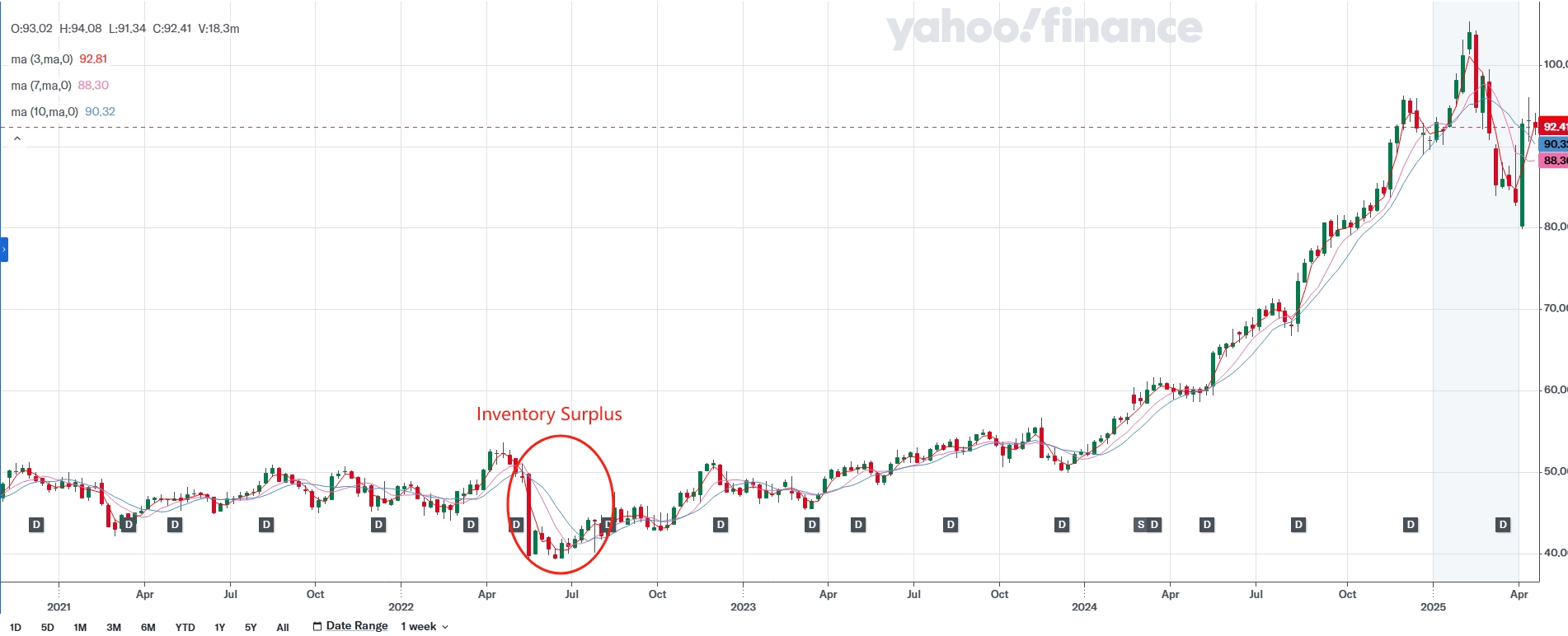
Walmart's management strategy puts it in an ideal position today. With consumer spending robust, people are rushing to buy non-essentials ahead of price hikes, creating an opportunity for Walmart to shed its inventory concerns. Plus, as tariffs kick in, excess disposable income could push consumers to purchase other categories from Walmart, all while its large global supply chain works to absorb the tariff impact. More importantly, the company's food-focused model means that most of its food is produced domestically, exempting it from tariffs. Consumers won't feel the pinch as much, and they might even be willing to pay more for their grocery bills.
UnitedHealth (UNH)
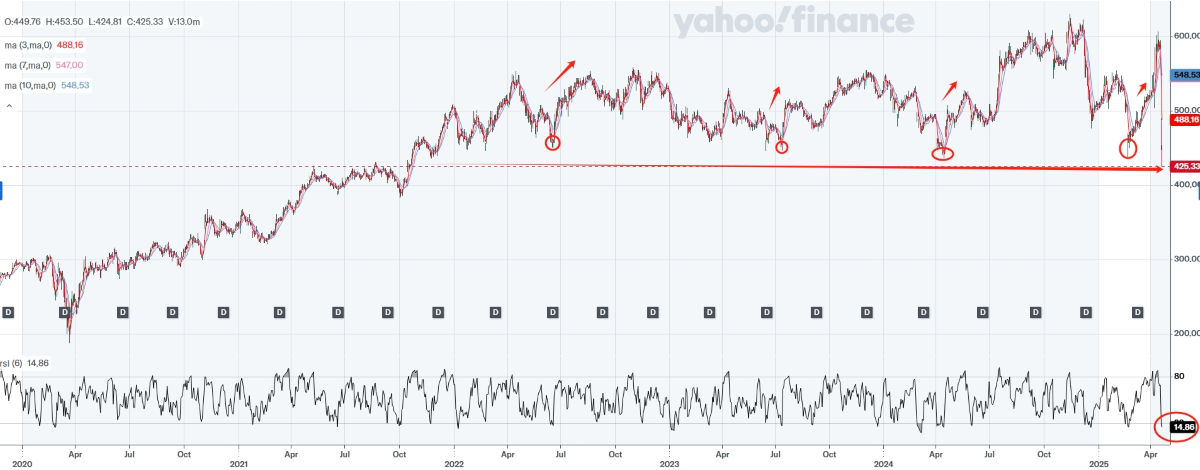
Despite UnitedHealth recently experiencing its worst two-day losses in 27 years, with nearly a 30% drop, we remain optimistic about its prospects. The company slashed its adjusted EPS forecast to $26-$26.5, down from $29.5-$30, a 12% miss that triggered the sharp decline in stock price. However, this miss was primarily due to soaring medical costs in Medicare Advantage plans, which were far higher than expected.
Investors should view this as a one-time problem, especially given UnitedHealth's dominance in the health insurance industry. Importantly, health insurance is largely insulated from tariff impacts, and the inelastic demand for insurance services should position the company well going forward. UnitedHealth delivered a 7% return in 2022, compared to the S&P 500's -20%, demonstrating its resilience.
At its current price of $425, a three-and-a-half-year low, UnitedHealth is poised for a solid bounce. With an RSI of 14.858, the stock is strongly oversold, making it an attractive buy at these levels.
Netflix (NFLX)
Netflix stands out as one of the few tech stocks that can weather the storm. The streaming giant reported fantastic earnings last week, and CEO Reed Hastings emphasized that there's no material change to our overall business outlook, even amid tariff concerns. Since streaming services are unlikely to be directly impacted by tariffs, Netflix should remain unaffected by such moves.
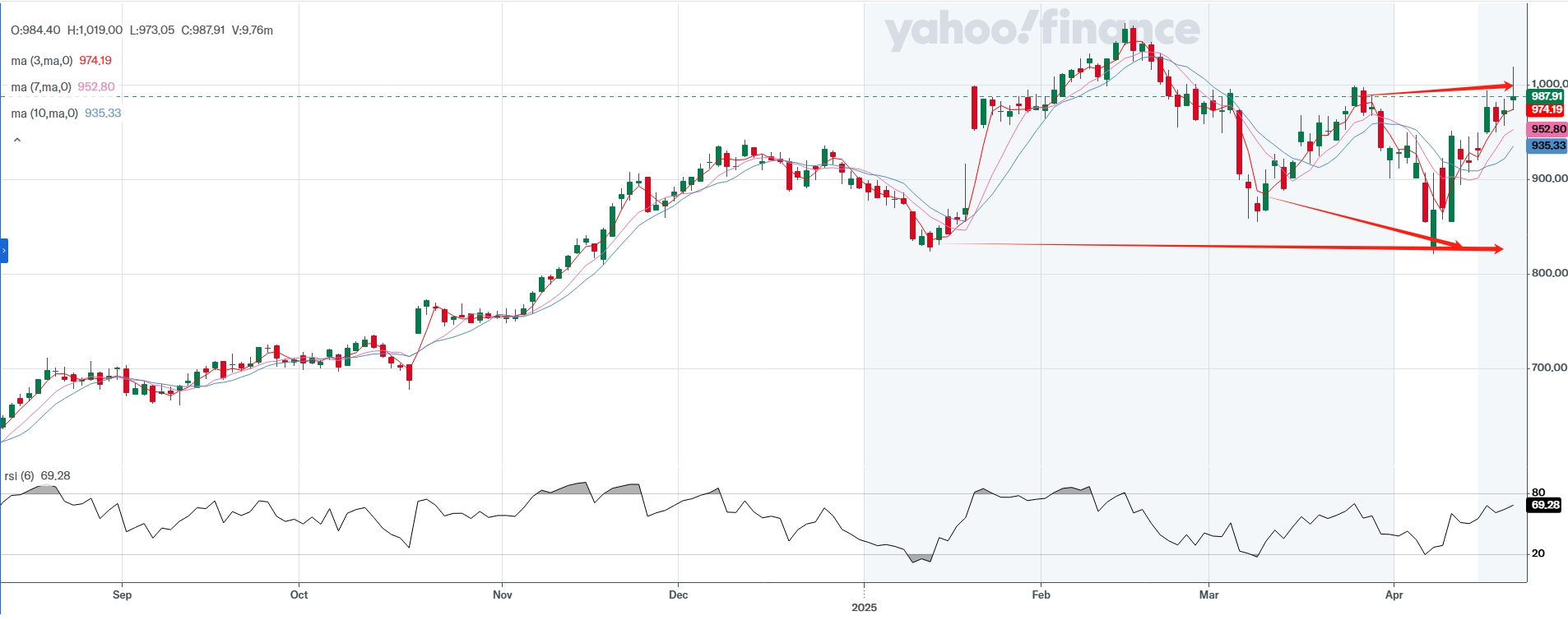
Netflix's position in streaming is vastly different now compared to 2022, when competitors like Disney+ and Hulu were more formidable. Today, Netflix dominates the space with a diverse, global content portfolio. The company's expansion into sports and its comprehensive subscription plans—standard, ad-supported, and premium—cater to various consumer needs. Even if tariffs hit, wealthier consumers will continue to pay for premium content, and more budget-conscious users may opt for the ad-supported tier, providing Netflix with additional revenue streams.
While we were cautious about Netflix before, its resilient subscriber base and expanding content offerings make it a top pick in this volatile environment.
McDonald's (MCD)
McDonald's shares many similarities with Walmart, especially in how it is insulated from tariff risks. The company produces most of its food domestically and operates an efficient global supply chain, which helps mitigate the impact of tariffs. While some analysts warn of potential anti-U.S. sentiment that could backfire, McDonald's inelastic demand means it will continue to grow even amid uncertainty. The company has faced challenges before, such as during the E. coli outbreak, but those proved to be short-term issues.
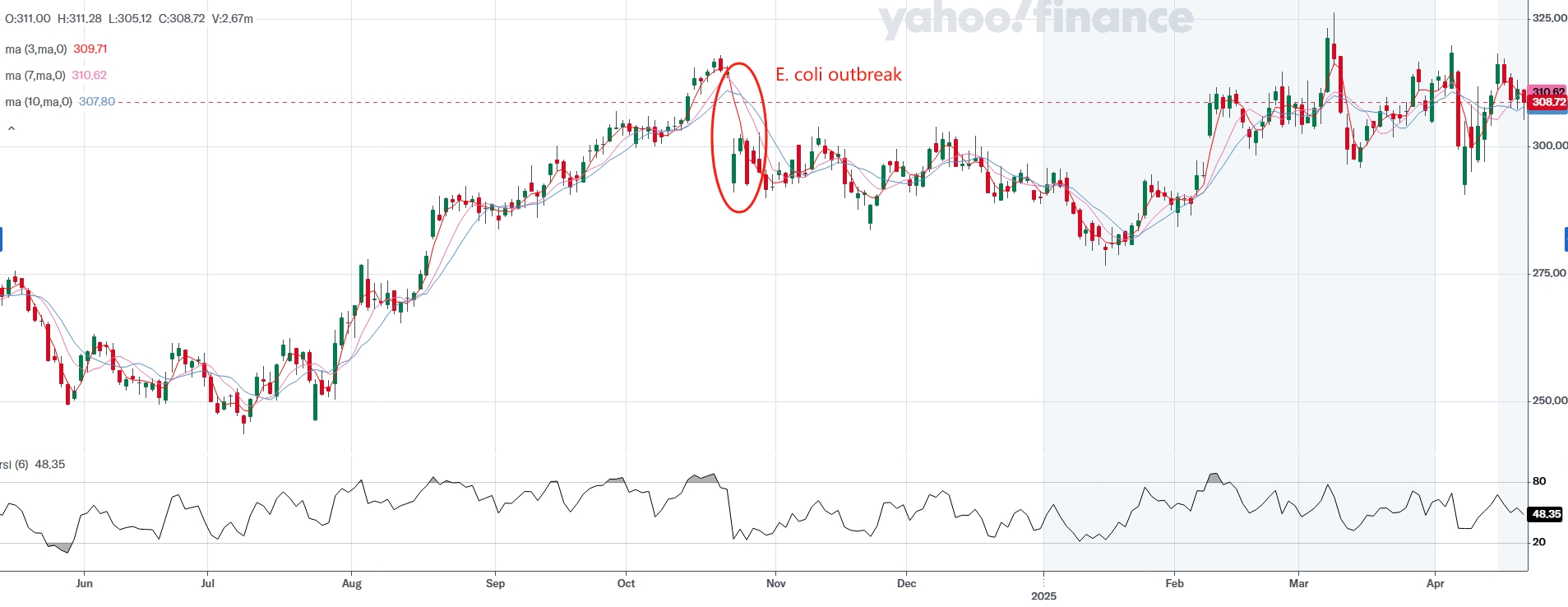
As tariffs go into effect, U.S. consumers will likely shift their spending toward more essential goods. McDonald's, with its focus on affordable, fast food, will likely see a boost in demand. The company's stability, along with its 2.3% dividend yield, makes it an attractive option for defensive plays in the current environment.
Coca-Cola (KO)
Coca-Cola's business is highly resilient, thanks to its inelastic demand. Most of its soda concentrate is produced domestically, unlike Pepsi, which could make Coke better insulated from tariff risks. The company can also leverage new packaging and material designs to mitigate cost pressures, making it well-positioned for the tariff war.
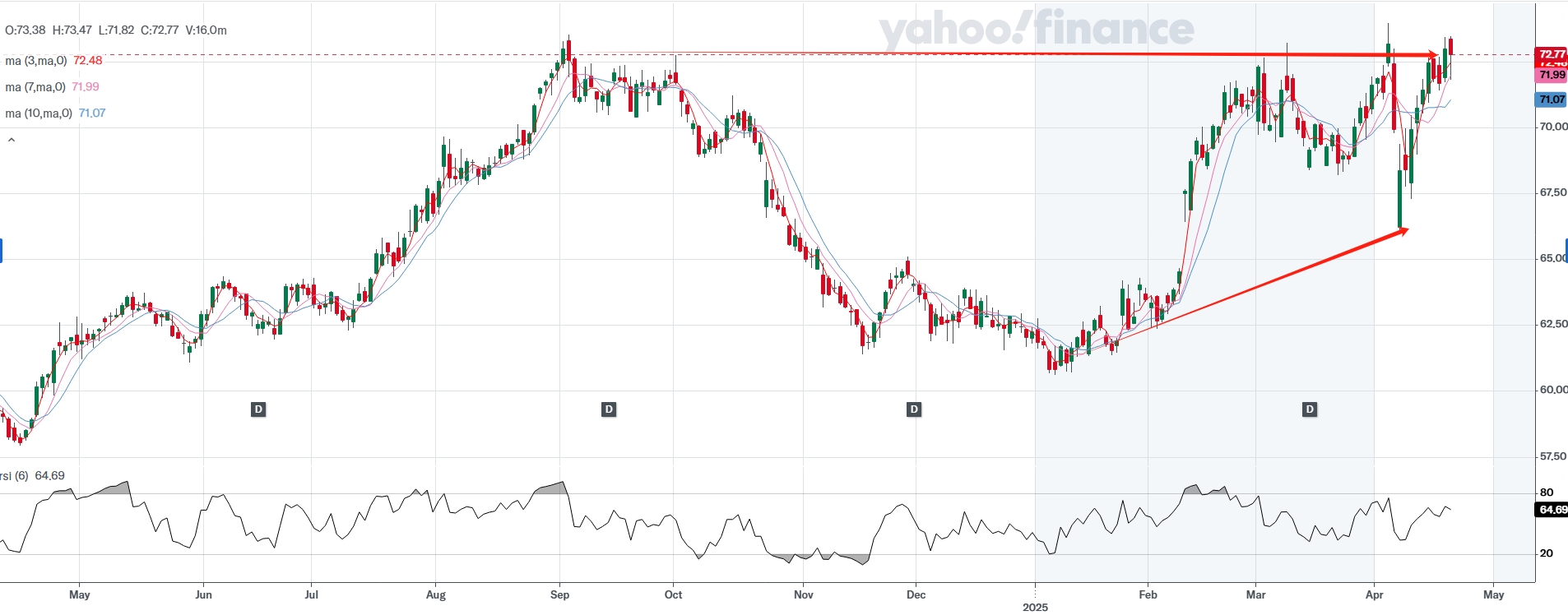
Coca-Cola's shares have jumped 18% this year, proving the strength of its business. Although its valuation may not be as attractive as it once was, Coke's ability to withstand tariff impacts makes it a solid long-term play. It's always wise to buy the dip when an opportunity arises in the market.

Independent investment research powered by a team of market strategists with 20+ years of Wall Street and global macro experience. We uncover high-conviction opportunities across equities, metals, and options through disciplined, data-driven analysis.
Latest Articles
Unlock Market-Moving Insights.
Subscribe to PRO Articles.
Already have an account? Sign in
Unlock Market-Moving Insights.
Subscribe to PRO Articles.
Already have an account? Sign in
Stay ahead of the market.
Get curated U.S. market news, insights and key dates delivered to your inbox.




