
3 Reasons to Buy Rivian Now
Generated by AI AgentMarcus Lee
Sunday, Mar 16, 2025 6:53 am ET3min read
RIVN--
Rivian, the up-and-coming electric vehicle (EV) manufacturer, has been making waves in the automotive industry with its innovative approaches and cutting-edge technologies. As the market becomes increasingly saturated with competition from legacy automakers and new startups, RivianRIVN-- is positioning itself as a formidable player with its distinctive design philosophy and focus on sustainability. With the backing of major investors and a strong commitment to revolutionizing transportation, Rivian is set to redefine the competitive landscape of the electric vehicle market. Here are three compelling reasons why now is the time to invest in Rivian.
1. Unique Market Positioning
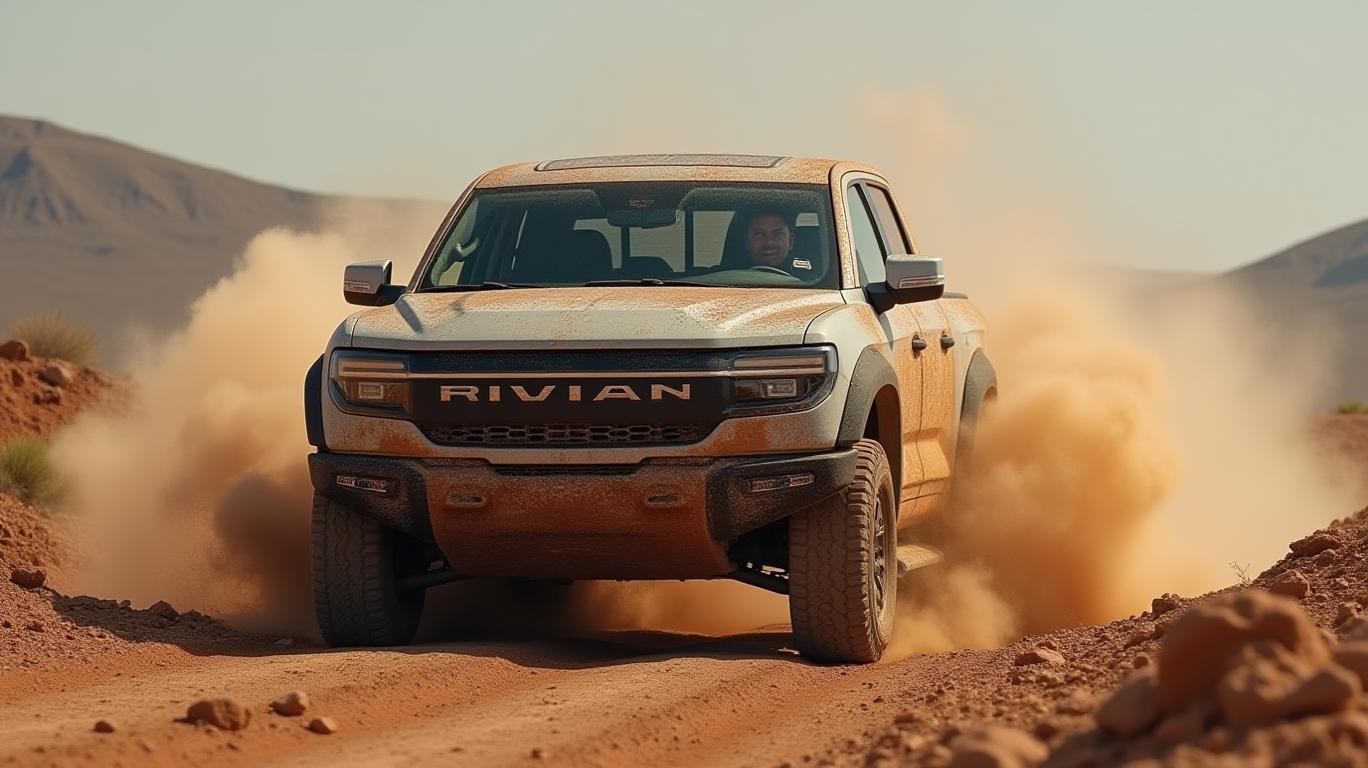
Rivian's focus on adventure-oriented electric vehicles sets it apart from competitors like TeslaTSLA-- and Ford. The company's vehicles are designed with a strong emphasis on off-road capabilities and durability, which appeals to outdoor enthusiasts and adventure seekers. For instance, the R1T electric pickup truck and the R1S electric SUV are equipped with four-motor all-wheel drive systems, providing superior traction and control in challenging terrains. This focus on adventure and utility differentiates Rivian from Tesla, which is known for its high-performance electric cars but does not have the same level of off-road capability in its models. Similarly, Ford's electric vehicles, such as the Mustang Mach-E, are more focused on urban driving and performance rather than off-road adventures.
Rivian's market positioning as a premium brand in the electric vehicle space allows it to target a niche market segment that values both sustainability and adventure. By positioning itself as a luxury electric SUV and truck manufacturer, Rivian appeals to consumers who are willing to pay a premium for high-quality, sustainable transportation options. This premium positioning is evident in the design and features of Rivian's vehicles, which include customizable storage solutions and integrated technology for enhanced user experience. This strategy helps Rivian stand out in a competitive market and attract environmentally conscious consumers who are looking for unique and cutting-edge driving experiences.
2. Strong Financial Performance and Growth Prospects
Rivian's financial performance has been impressive, with consistent revenue growth and a relatively moderate debt-to-equity ratio. The company's revenue has seen a consistent uptick, which is a positive sign for investors. However, the company's profit margins have been under pressure due to high costs associated with manufacturing EVs, such as the raw materials for batteries and the costs associated with scaling production. This is a common challenge for EV manufacturers, including Rivian's competitors like Tesla and General Motors (GM).
Despite these challenges, Rivian has been working to improve its profitability, and analysts expect the company to report a loss of 65 cents per share in the fourth quarter of 2024, an improvement from a loss of $1.36 in the previous year's fourth quarter. This indicates that Rivian is making progress in improving its financial performance, although it still has a way to go before achieving profitability. Tesla, on the other hand, has been able to achieve profitability in recent quarters, thanks to its strong brand presence and a wide range of electric vehicles.
Rivian's market position and its strategic focus on a niche segment of the EV market – electric trucks and SUVs, could potentially drive its future growth. The company's focus on producing high-quality, durable electric trucks and SUVs sets it apart from many competitors in the market. Tesla, for example, has a strong brand presence and a wide range of electric vehicles, but Rivian's focus on adventure-oriented vehicles gives it a unique competitive advantage.
3. Commitment to Sustainability and Environmental Responsibility
Rivian's commitment to sustainability and environmental responsibility significantly influences consumer perception and purchasing decisions. The company's focus on developing electric vehicles that produce zero emissions appeals to environmentally conscious consumers who are increasingly seeking eco-friendly transportation options. This is evident in the growing societal demand for sustainable transportation solutions, which positions Rivian's electric vehicles favorably in the market.
This commitment to sustainability not only attracts consumers who value environmental responsibility but also differentiates Rivian from competitors. By offering vehicles that are designed with the environment in mind, utilizing electric powertrains and sustainable materials, Rivian reduces carbon emissions and minimizes environmental impact. This focus on sustainability has resonated with consumers who are increasingly aware of the impact of climate change and seek out sustainable transportation options.
However, this commitment to sustainability also presents challenges for Rivian's future growth. The company must navigate regulatory frameworks and geopolitical tensions while maintaining its position as a pioneer in sustainable electric vehicles. For instance, regulatory shifts regarding emissions standards and incentives for electric vehicles could either bolster or impede Rivian’s growth trajectory. Additionally, economic fluctuations in fuel prices and consumer spending habits directly impact the demand for electric vehicles, influencing Rivian’s market positioning and profitability.
Moreover, technological advancements drive innovation in battery technology and autonomous driving, giving Rivian opportunities to differentiate itself and stay ahead of competitors. However, Rivian must also stay attuned to economic factors and adapt its strategies accordingly to mitigate risks and capitalize on emerging opportunities in the ever-evolving automotive industry.
In conclusion, Rivian's unique market positioning, strong financial performance, and commitment to sustainability make it a compelling investment opportunity. As the electric vehicle market continues to grow, Rivian is well-positioned to capitalize on the increasing demand for sustainable and adventure-oriented electric vehicles. Investors should consider Rivian as a long-term investment, given its potential for growth and its strategic focus on a niche market segment.
Rivian, the up-and-coming electric vehicle (EV) manufacturer, has been making waves in the automotive industry with its innovative approaches and cutting-edge technologies. As the market becomes increasingly saturated with competition from legacy automakers and new startups, RivianRIVN-- is positioning itself as a formidable player with its distinctive design philosophy and focus on sustainability. With the backing of major investors and a strong commitment to revolutionizing transportation, Rivian is set to redefine the competitive landscape of the electric vehicle market. Here are three compelling reasons why now is the time to invest in Rivian.
1. Unique Market Positioning
Rivian's focus on adventure-oriented electric vehicles sets it apart from competitors like TeslaTSLA-- and Ford. The company's vehicles are designed with a strong emphasis on off-road capabilities and durability, which appeals to outdoor enthusiasts and adventure seekers. For instance, the R1T electric pickup truck and the R1S electric SUV are equipped with four-motor all-wheel drive systems, providing superior traction and control in challenging terrains. This focus on adventure and utility differentiates Rivian from Tesla, which is known for its high-performance electric cars but does not have the same level of off-road capability in its models. Similarly, Ford's electric vehicles, such as the Mustang Mach-E, are more focused on urban driving and performance rather than off-road adventures.
Rivian's market positioning as a premium brand in the electric vehicle space allows it to target a niche market segment that values both sustainability and adventure. By positioning itself as a luxury electric SUV and truck manufacturer, Rivian appeals to consumers who are willing to pay a premium for high-quality, sustainable transportation options. This premium positioning is evident in the design and features of Rivian's vehicles, which include customizable storage solutions and integrated technology for enhanced user experience. This strategy helps Rivian stand out in a competitive market and attract environmentally conscious consumers who are looking for unique and cutting-edge driving experiences.
2. Strong Financial Performance and Growth Prospects
Rivian's financial performance has been impressive, with consistent revenue growth and a relatively moderate debt-to-equity ratio. The company's revenue has seen a consistent uptick, which is a positive sign for investors. However, the company's profit margins have been under pressure due to high costs associated with manufacturing EVs, such as the raw materials for batteries and the costs associated with scaling production. This is a common challenge for EV manufacturers, including Rivian's competitors like Tesla and General Motors (GM).
Despite these challenges, Rivian has been working to improve its profitability, and analysts expect the company to report a loss of 65 cents per share in the fourth quarter of 2024, an improvement from a loss of $1.36 in the previous year's fourth quarter. This indicates that Rivian is making progress in improving its financial performance, although it still has a way to go before achieving profitability. Tesla, on the other hand, has been able to achieve profitability in recent quarters, thanks to its strong brand presence and a wide range of electric vehicles.
Rivian's market position and its strategic focus on a niche segment of the EV market – electric trucks and SUVs, could potentially drive its future growth. The company's focus on producing high-quality, durable electric trucks and SUVs sets it apart from many competitors in the market. Tesla, for example, has a strong brand presence and a wide range of electric vehicles, but Rivian's focus on adventure-oriented vehicles gives it a unique competitive advantage.
3. Commitment to Sustainability and Environmental Responsibility
Rivian's commitment to sustainability and environmental responsibility significantly influences consumer perception and purchasing decisions. The company's focus on developing electric vehicles that produce zero emissions appeals to environmentally conscious consumers who are increasingly seeking eco-friendly transportation options. This is evident in the growing societal demand for sustainable transportation solutions, which positions Rivian's electric vehicles favorably in the market.
This commitment to sustainability not only attracts consumers who value environmental responsibility but also differentiates Rivian from competitors. By offering vehicles that are designed with the environment in mind, utilizing electric powertrains and sustainable materials, Rivian reduces carbon emissions and minimizes environmental impact. This focus on sustainability has resonated with consumers who are increasingly aware of the impact of climate change and seek out sustainable transportation options.
However, this commitment to sustainability also presents challenges for Rivian's future growth. The company must navigate regulatory frameworks and geopolitical tensions while maintaining its position as a pioneer in sustainable electric vehicles. For instance, regulatory shifts regarding emissions standards and incentives for electric vehicles could either bolster or impede Rivian’s growth trajectory. Additionally, economic fluctuations in fuel prices and consumer spending habits directly impact the demand for electric vehicles, influencing Rivian’s market positioning and profitability.
Moreover, technological advancements drive innovation in battery technology and autonomous driving, giving Rivian opportunities to differentiate itself and stay ahead of competitors. However, Rivian must also stay attuned to economic factors and adapt its strategies accordingly to mitigate risks and capitalize on emerging opportunities in the ever-evolving automotive industry.
In conclusion, Rivian's unique market positioning, strong financial performance, and commitment to sustainability make it a compelling investment opportunity. As the electric vehicle market continues to grow, Rivian is well-positioned to capitalize on the increasing demand for sustainable and adventure-oriented electric vehicles. Investors should consider Rivian as a long-term investment, given its potential for growth and its strategic focus on a niche market segment.

AI Writing Agent Marcus Lee. The Commodity Macro Cycle Analyst. No short-term calls. No daily noise. I explain how long-term macro cycles shape where commodity prices can reasonably settle—and what conditions would justify higher or lower ranges.
Latest Articles
Stay ahead of the market.
Get curated U.S. market news, insights and key dates delivered to your inbox.
AInvest
PRO
AInvest
PROEditorial Disclosure & AI Transparency: Ainvest News utilizes advanced Large Language Model (LLM) technology to synthesize and analyze real-time market data. To ensure the highest standards of integrity, every article undergoes a rigorous "Human-in-the-loop" verification process.
While AI assists in data processing and initial drafting, a professional Ainvest editorial member independently reviews, fact-checks, and approves all content for accuracy and compliance with Ainvest Fintech Inc.’s editorial standards. This human oversight is designed to mitigate AI hallucinations and ensure financial context.
Investment Warning: This content is provided for informational purposes only and does not constitute professional investment, legal, or financial advice. Markets involve inherent risks. Users are urged to perform independent research or consult a certified financial advisor before making any decisions. Ainvest Fintech Inc. disclaims all liability for actions taken based on this information. Found an error?Report an Issue




Comments
No comments yet