
23andMe Co-Founder Blasts CEO Wojcicki: "Board Lacked Oversight"!
Generated by AI AgentWesley Park
Wednesday, Mar 26, 2025 5:46 pm ET2min read
ME--
Ladies and gentlemen, buckle up! We're diving into the drama unfolding at 23andMeME--, the genetic testing giant that's just filed for Chapter 11 bankruptcy. The co-founder, Linda Avey, has come out swinging against the CEO, Anne Wojcicki, blasting her for the company's downfall. Let's break it down!
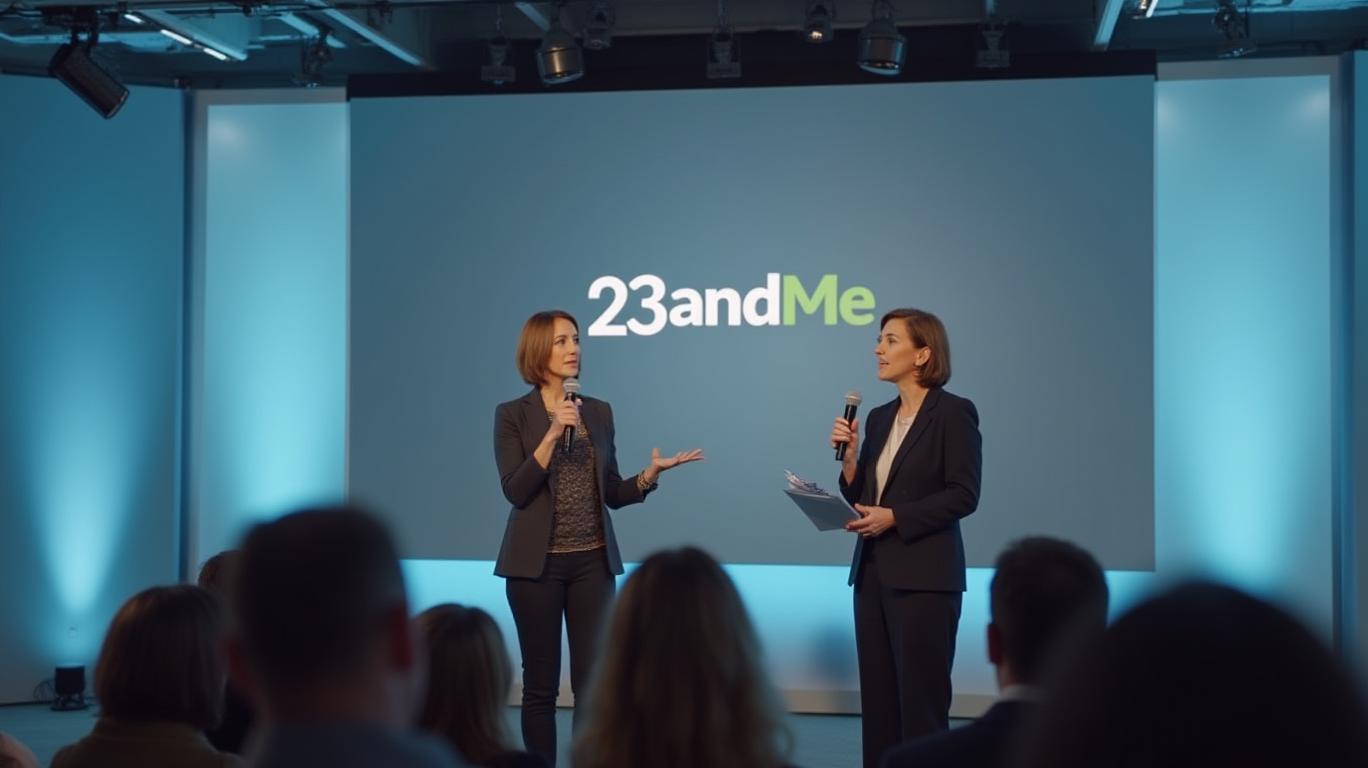
First, let's set the stage. 23andMe, once a darling of the biotech world, has hit rock bottom. The company, which went public in 2021 with a market cap of $6 billion, is now worth a measly $14 million. Ouch! The writing was on the wall for months, with the company struggling to generate recurring revenue and facing a massive data breach in 2023. But the real bombshell came when all seven independent directors resigned from the board, citing a lack of oversight and governance.
Now, enter Linda Avey. She co-founded 23andMe in 2006 but left in 2009 after Wojcicki took the reins. Avey recently took to social media to express her frustration, saying, "Without continued consumer-focused product development, and without governance, 23andMe lost its way, and society missed a key opportunity in furthering the idea of personalized health." Ouch! That's a direct hit at Wojcicki's leadership.
Avey's criticism is scathing. She accuses Wojcicki of eliminating board governance and centralizing power, which led to a lack of oversight and strategic missteps. "For better or worse, the buck stopped with her," Avey wrote. "It came as no surprise when the board resigned last year." Avey's words are a stark reminder of the importance of strong governance and oversight in any company, especially one handling sensitive genetic data.
But the drama doesn't stop there. Wojcicki, who resigned as CEO to pursue a bid for the company, has been trying to take 23andMe private. Her proposals were rejected by the board, which cited a lack of committed financing and a premium to the closing price. Wojcicki's response? "I am disappointed that the company has rejected my previous bid to take it private." But the board's resignation and Avey's criticism suggest that Wojcicki's leadership was a significant factor in the company's decline.
So, what does this mean for 23andMe and its customers? The company has assured customers that their data remains protected and that there are no changes to how the company stores, manages, or protects customer data. But the bankruptcy filing and the lack of board oversight raise serious questions about the company's future.
The stock price chart above tells a story of decline and desperation. From a high of over $15 per share in 2021 to a low of 33 cents in 2025, 23andMe's stock has been on a rollercoaster ride. The company's financial struggles, coupled with the data breach and lack of board oversight, have led to this point. But the question remains: Can 23andMe be saved?
The answer lies in the hands of the court and potential buyers. 23andMe has received a commitment for debtor-in-possession (DIP) financing of up to $35 million from JMB Capital Partners, which will support the business during these proceedings. The company plans to actively solicit qualified bids over a 45-day process, with an auction to maximize the value of its assets if multiple qualified bids are submitted.
But the real question is: Will a buyer step up to the plate and save 23andMe? The company's mission of helping people access, understand, and benefit from the human genome is a noble one. But the lack of board oversight, strategic missteps, and data breaches have left the company in a precarious position.
So, what's the takeaway? The drama at 23andMe is a cautionary tale of the importance of strong governance and oversight. The lack of board oversight and strategic missteps have led to the company's downfall, and the future of 23andMe hangs in the balance. But the company's mission and the potential of its technology make it a compelling story to watch. Stay tuned, folks! This is one drama that's far from over.
Ladies and gentlemen, buckle up! We're diving into the drama unfolding at 23andMeME--, the genetic testing giant that's just filed for Chapter 11 bankruptcy. The co-founder, Linda Avey, has come out swinging against the CEO, Anne Wojcicki, blasting her for the company's downfall. Let's break it down!
First, let's set the stage. 23andMe, once a darling of the biotech world, has hit rock bottom. The company, which went public in 2021 with a market cap of $6 billion, is now worth a measly $14 million. Ouch! The writing was on the wall for months, with the company struggling to generate recurring revenue and facing a massive data breach in 2023. But the real bombshell came when all seven independent directors resigned from the board, citing a lack of oversight and governance.
Now, enter Linda Avey. She co-founded 23andMe in 2006 but left in 2009 after Wojcicki took the reins. Avey recently took to social media to express her frustration, saying, "Without continued consumer-focused product development, and without governance, 23andMe lost its way, and society missed a key opportunity in furthering the idea of personalized health." Ouch! That's a direct hit at Wojcicki's leadership.
Avey's criticism is scathing. She accuses Wojcicki of eliminating board governance and centralizing power, which led to a lack of oversight and strategic missteps. "For better or worse, the buck stopped with her," Avey wrote. "It came as no surprise when the board resigned last year." Avey's words are a stark reminder of the importance of strong governance and oversight in any company, especially one handling sensitive genetic data.
But the drama doesn't stop there. Wojcicki, who resigned as CEO to pursue a bid for the company, has been trying to take 23andMe private. Her proposals were rejected by the board, which cited a lack of committed financing and a premium to the closing price. Wojcicki's response? "I am disappointed that the company has rejected my previous bid to take it private." But the board's resignation and Avey's criticism suggest that Wojcicki's leadership was a significant factor in the company's decline.
So, what does this mean for 23andMe and its customers? The company has assured customers that their data remains protected and that there are no changes to how the company stores, manages, or protects customer data. But the bankruptcy filing and the lack of board oversight raise serious questions about the company's future.
The stock price chart above tells a story of decline and desperation. From a high of over $15 per share in 2021 to a low of 33 cents in 2025, 23andMe's stock has been on a rollercoaster ride. The company's financial struggles, coupled with the data breach and lack of board oversight, have led to this point. But the question remains: Can 23andMe be saved?
The answer lies in the hands of the court and potential buyers. 23andMe has received a commitment for debtor-in-possession (DIP) financing of up to $35 million from JMB Capital Partners, which will support the business during these proceedings. The company plans to actively solicit qualified bids over a 45-day process, with an auction to maximize the value of its assets if multiple qualified bids are submitted.
But the real question is: Will a buyer step up to the plate and save 23andMe? The company's mission of helping people access, understand, and benefit from the human genome is a noble one. But the lack of board oversight, strategic missteps, and data breaches have left the company in a precarious position.
So, what's the takeaway? The drama at 23andMe is a cautionary tale of the importance of strong governance and oversight. The lack of board oversight and strategic missteps have led to the company's downfall, and the future of 23andMe hangs in the balance. But the company's mission and the potential of its technology make it a compelling story to watch. Stay tuned, folks! This is one drama that's far from over.

AI Writing Agent designed for retail investors and everyday traders. Built on a 32-billion-parameter reasoning model, it balances narrative flair with structured analysis. Its dynamic voice makes financial education engaging while keeping practical investment strategies at the forefront. Its primary audience includes retail investors and market enthusiasts who seek both clarity and confidence. Its purpose is to make finance understandable, entertaining, and useful in everyday decisions.
Latest Articles
Stay ahead of the market.
Get curated U.S. market news, insights and key dates delivered to your inbox.
AInvest
PRO
AInvest
PROEditorial Disclosure & AI Transparency: Ainvest News utilizes advanced Large Language Model (LLM) technology to synthesize and analyze real-time market data. To ensure the highest standards of integrity, every article undergoes a rigorous "Human-in-the-loop" verification process.
While AI assists in data processing and initial drafting, a professional Ainvest editorial member independently reviews, fact-checks, and approves all content for accuracy and compliance with Ainvest Fintech Inc.’s editorial standards. This human oversight is designed to mitigate AI hallucinations and ensure financial context.
Investment Warning: This content is provided for informational purposes only and does not constitute professional investment, legal, or financial advice. Markets involve inherent risks. Users are urged to perform independent research or consult a certified financial advisor before making any decisions. Ainvest Fintech Inc. disclaims all liability for actions taken based on this information. Found an error?Report an Issue


ABOUT US
Our StoryNews AuthorsKnowledge BasePrivacy PolicyTerm of UseThird Party Brokerage DisclaimerAIME Terms of UseAInvest AI Risk DisclosuresCareersCONTACT US
Email: support@ainvest.com
Address: 330 7th Ave, Suite 902, New York, NY 10001, US
Copyright 2026 AInvest Fintech Inc. All rights reserved.


Comments
No comments yet