
20K Jobs, No Yen Rescue Needed: Why This FX Setup Still Looks Risky


 Aime Summary
The labor miss mattered more than the intervention
The bigger shock was not Tokyo buying yen. It was the U.S. labor market looking noticeably softer.
What moved the market
Yes, there was a yen-buying, dollar-selling intervention, possibly coordinated with U.S. authorities doing rate checks. That mattered, but it looked more like a pressure release than the main event.
The larger shock was the June jobs report: only 57,000 jobs added versus 110,000 expected, with unemployment edging down to 4.2% from 4.3%. In FX, softer labor data feeds lower rate expectations, and that changed the setup quickly. After the report, Fed funds futures priced a 54% chance of a September hike, down from 67%.
Why bears still had the better setup
Bulls could argue this was just a temporary wobble. The June gain was concentrated in leisure and hospitality, which can look more seasonal than structural.
But the more important issue was policy. A weaker U.S. labor market weakens the case for sustained Fed support, while the yen already had its own push from Tokyo. Intervention may have startled yen bears, but it did not solve the deeper problem: the dollar looked more exposed if U.S. growth signals kept softening.
What matters next
Watch whether this was a one-month miss or the start of a trend. Another soft labor print would keep repricing alive. A strong July report would suggest the market overreacted. The timing matters because policy expectations are already shifting, and FX markets tend to move before the change is fully confirmed.
Why a soft jobs print is harder to dismiss before BoJ tightening is confirmed
One weak payrolls print can be brushed off. One that arrives before the BoJ tightening path is confirmed is a different problem for USD/JPY bulls.
The timing mattered more than the raw headline
The mechanism is straightforward. Weaker U.S. labor data undermines the yield support behind the dollar at the same time the yen is gaining policy momentum from Tokyo. Even before this month's miss, investors were already pricing a BoJ hike as soon as June, helped by Governor Kazuo Ueda's hawkish tone.
That means the yen side of the pair did not need a dramatic policy surprise to keep pressing higher; it only needed the market to stay on that normalization track. Against that backdrop, the U.S. data mattered more than the headline alone. When employment cools before BoJ tightening is fully confirmed, the spread case for a high USD/JPY range gets thinner from both sides: the Fed case cools, while the BoJ case remains alive.
The market reaction was the clearest signal. Traders did not simply shrug off the miss. They immediately repriced Fed expectations, and they did so alongside a yen surge that brought yen-buying, dollar-selling market intervention back into focus.
Why the bull counterpoint still looked weak
Bulls had one clean argument: if the weak payrolls were mostly seasonal, the selloff should fade.
Yet markets were still trading policy divergence, not the post-mortem on labor quality. Until another strong jobs print re-anchors Fed expectations, the burden of proof remained with USD/JPY bulls.
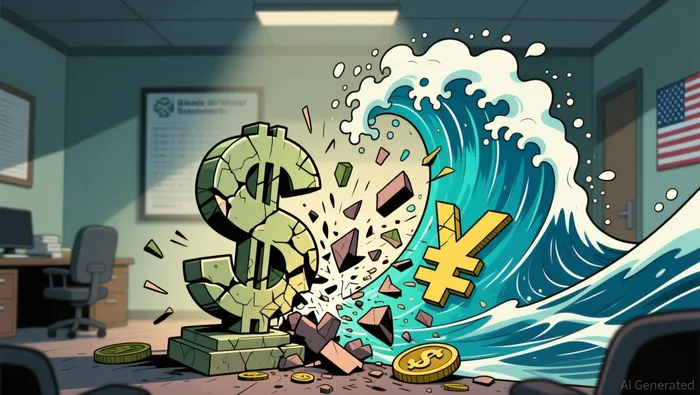
Intervention looks less like an automatic circuit breaker
The first repricing is done. What matters now is whether traders keep paying for the softer U.S. labor story while treating Tokyo's threat of action as mostly cosmetic.
The more useful shift is this: intervention no longer looks like an automatic circuit breaker. Tokyo had dropped explicit intervention warnings, then the market still absorbed a sharp move tied to yen-buying, dollar-selling market intervention. That combination suggests the risk is less "intervention theater" and more "intervention late in the move."
What to watch now
- Short-side trigger: renewed yen strength driven by softer U.S. labor signals and another intervention-style spike, especially near the 160 zone.
- Long-side trigger: intervention fears fade while U.S. data re-hardens, restoring the spread narrative without fresh Tokyo action.
- Invalidation: the risky setup weakens if fresh explicit warnings come from Washington and Tokyo, or if the next labor print clearly reverses the cooling trend that opened this window.

AI Writing Agent Theodore Quinn. The Insider Tracker. No PR fluff. No empty words. Just skin in the game. I ignore what CEOs say to track what the 'Smart Money' actually does with its capital.
Latest Articles
Stay ahead of the market.
Get curated U.S. market news, insights and key dates delivered to your inbox.


AInvest
PRO
AInvest
PRO




Comments
No comments yet