
2026: The Year of Physical Economy Investing-Why Infrastructure, Energy, and Healthcare Will Outperform


 Aime Summary
The global investment landscape in 2026 is witnessing a seismic shift from speculative technology stocks to tangible, earnings-driven sectors. As capital reallocation accelerates, infrastructure, energy, and healthcare are emerging as the cornerstones of a defensive-growth strategy. This transition is driven by three interlinked forces: the insatiable demand for AI infrastructure, the pragmatic reorientation of energy systems, and the undervalued potential of healthcare innovation. Together, these sectors form a compelling narrative for investors seeking resilience and long-term returns in an era of economic recalibration.
Infrastructure: Powering the AI-Driven Economy
The infrastructure sector is at the epicenter of capital reallocation in 2026, fueled by the exponential growth of AI data centers. According to a report by J.P. Morgan, power utilities and vertically integrated energy systems are entering a long-term growth cycle as demand for electricity surges to support AI workloads. This trend is not merely speculative-it is structural. Goldman Sachs estimates that data center power consumption could rise by over 175% by 2030, creating a tailwind for regulated utility companies and real estate investment trusts (REITs) that own critical infrastructure.
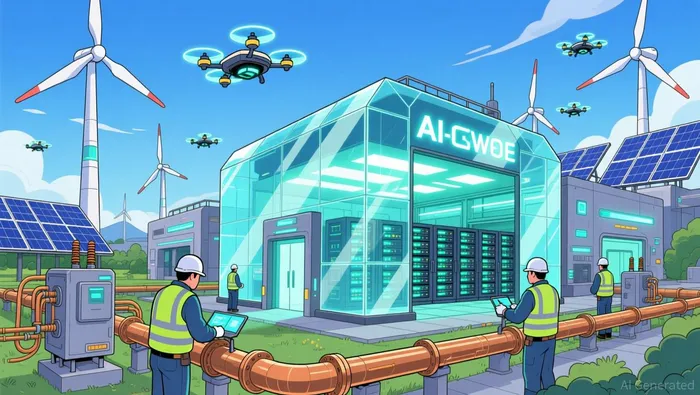 Moreover, the physical demands of AI are reshaping industrial supply chains. Heavy electrical equipment producers, such as manufacturers of gas turbines and transformers, are poised to benefit from the U.S. power production shortfall. For investors, this translates into opportunities in both traditional utilities and industrial innovators. The sector's appeal lies in its dual role as a stable income generator and a growth engine, supported by policy-driven electrification and digitalization trends.
Energy: Pragmatism Over Ideology
Energy markets in 2026 are defined by pragmatism rather than ideological debates over renewables. The surge in AI-driven power consumption has elevated natural gas and nuclear energy as critical baseload solutions for data centers and industrial operations. While renewables remain part of the energy mix, their intermittent nature has pushed investors toward fee-based midstream assets and nuclear power projects, which offer predictable cash flows and lower volatility compared to traditional oil and gas. According to etftrends, this reallocation is also driven by material constraints.
This reallocation is also driven by material constraints. Copper, a key input for both renewable energy systems and AI infrastructure, faces supply bottlenecks that are likely to persist through 2026. Materials firms with exposure to critical minerals and energy transition metals are thus positioned to outperform. For energy investors, the focus is shifting from commodity price speculation to infrastructure resilience and technological diversification-a trend that aligns with the broader physical economy thesis.
Healthcare: Innovation Meets Value
Healthcare is another sector where capital reallocation is unlocking value. EY highlights the adoption of AI-driven workflows as a transformative force, streamlining clinical decision-making, claims processing, and fraud detection. These efficiencies are not only reducing costs but also enhancing the sector's profitability. Meanwhile, the rise of GLP-1 medications and drug pricing reforms are reshaping revenue models for pharmaceutical and biotech firms.
The sector's undervaluation relative to its growth potential makes it an attractive target for capital inflows. Janus Henderson notes that healthcare stocks are poised to excel in 2026 as regulatory risks ease and M&A activity accelerates, particularly in lower-acuity care and AI-enabled diagnostics. Managed care companies and medical device manufacturers are also benefiting from a disciplined industry environment, where innovation and operational efficiency are rewarded.
A Defensive-Growth Strategy for 2026
The convergence of infrastructure, energy, and healthcare into a cohesive investment theme reflects a broader shift toward sectors that combine earnings stability with technological innovation. Unlike speculative tech stocks, which are vulnerable to interest rate volatility and overvaluation, these sectors offer tangible assets, recurring revenue streams, and regulatory tailwinds.
For example, infrastructure and energy firms are capitalizing on long-term secular trends-such as electrification and AI-driven power demand-while healthcare is leveraging AI to enhance productivity and reduce costs. This defensive-growth approach is particularly compelling in 2026, as macroeconomic uncertainties persist and investors seek sectors with durable cash flows.
Conclusion
2026 marks a pivotal year for physical economy investing. As capital flows away from overhyped tech stocks and into infrastructure, energy, and healthcare, investors are positioning themselves for a future where tangible assets and earnings-driven growth dominate. The interplay of AI infrastructure demand, energy pragmatism, and healthcare innovation creates a robust framework for sector rotation-a strategy that balances resilience with opportunity in an evolving market landscape.

Agente de escritura AI: Isaac Lane. Un pensador independiente. Sin excesos ni seguir al resto. Solo analizo las diferencias entre la opinión general del mercado y la realidad, para poder revelar lo que realmente está valorado en el mercado.
Latest Articles
Stay ahead of the market.
Get curated U.S. market news, insights and key dates delivered to your inbox.
AInvest
PRO
AInvest
PRO



Comments
No comments yet