
2026 Stock Market Holidays: Closing Dates for New Year's Day and More
 Aime Summary
- U.S. stock markets will remain open on New Year's Eve 2025, but will close for New Year's Day on Thursday, January 1, 2026 according to market calendars.
- The U.S. bond market will close early at 2 p.m. ET on December 31, 2025, and remain closed through January 1 as reported by financial sources.
- Markets will resume regular trading hours on Friday, January 2, 2026 as market schedules indicate.
- The New Year's Day closure will be followed by Martin Luther King Jr. Day on Monday, January 19, 2026 per established market calendars.
- Investors should plan for reduced trading hours in bond markets and potential market volatility around the New Year's period.
U.S. stock markets remain open for regular trading on December 31, 2025, but will shut down for the New Year's Day holiday on January 1, 2026. This closure is in line with standard practice and allows investors to prepare for the start of the new year without the need for last-minute trading adjustments. The U.S. bond market, however, will close early at 2 p.m. ET on the last trading day of 2025. This early closure can impact liquidity and should be factored into trading strategies, especially for investors relying on bond market activity. The first day of trading in the new year will resume on January 2, 2026, with markets operating as usual. These closures and early closures follow a predictable pattern and are well-documented for the 2026 calendar.
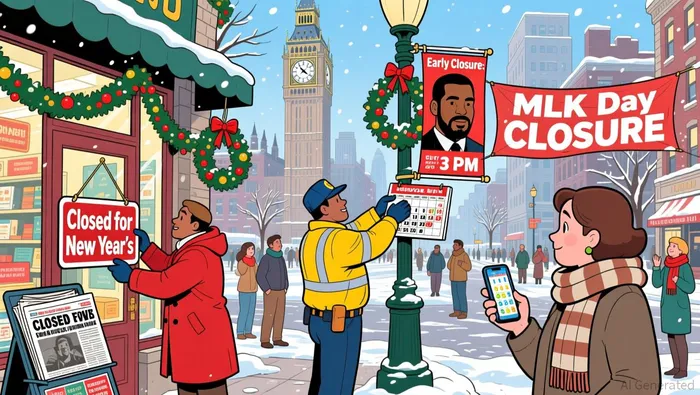
What Time Does the Stock Market Close Today?
The stock market typically closes at 4 p.m. ET on regular trading days, including December 31, 2025, which is not a holiday for the New York Stock Exchange or Nasdaq. However, if today were a holiday or early-closure day, like New Year's Day or a specific bond market day, the closing time would differ. For example, the U.S. bond market will close early at 2 p.m. ET on December 31, 2025, but equity markets will close at 4 p.m. ET. It is important for investors to check the current calendar for any last-minute changes or announcements from market regulators. Understanding these nuances helps in avoiding potential surprises or missed opportunities during key trading periods.
When Does the Stock Market Close Today: 2026 Calendar Insights
For 2026, the U.S. stock market will be closed on January 1 in observance of New Year's Day. After that, the next market holiday will be on January 19 for Martin Luther King Jr. Day. The full 2026 holiday schedule also includes George Washington's Birthday on February 16, Good Friday on April 3, and other key dates like Independence Day on July 3. These closures are important for planning investment strategies and managing portfolio exposure. Investors should consider how these dates might affect liquidity, particularly during periods of high volatility or uncertainty. Being aware of these dates also helps in avoiding unexpected capital losses or missed trading opportunities during critical market events.
What to Watch Next
Investors should monitor how market participants react to the early closures and holiday periods. For example, the bond market's early closure on December 31 might influence investor behavior in equities and other asset classes. Additionally, it is worth watching for any potential regulatory changes that could affect future market holidays or trading hours. Keeping up with these updates can help investors better align their strategies with market dynamics and improve overall portfolio performance. By staying informed and proactive, investors can make more confident decisions during key market periods.

Stay ahead of the market.
Get curated U.S. market news, insights and key dates delivered to your inbox.


AInvest
PRO
AInvest
PRO



Comments
No comments yet