
2026 IRS Tax Refund Updates: How to Expedite Your Return
 Aime Summary
The IRS is shifting to electronic payments as the primary method for tax refunds in 2026, phasing out paper checks for most taxpayers. Refund processing times vary by filing method, with e-filing and direct deposit typically taking 21 days or less, while paper returns may take 6–8 weeks. International taxpayers and cross-border assignees may be exempt from the new rules, but guidance is limited, creating uncertainty for global mobility programs. Taxpayers who fail to provide direct deposit information may receive a CP53E notice to correct it within 30 days; otherwise, refunds may be delayed or issued via paper check. The IRS encourages early and accurate filing to avoid processing delays and recommends using its Where's My Refund? tool for real-time updates.
The 2026 tax season has already begun, and the IRS has introduced major changes to how refunds are processed and delivered. Taxpayers are now strongly encouraged to file electronically and choose direct deposit to receive their refunds faster. The agency is shifting away from paper checks as part of a broader modernized payments initiative, which will affect how global mobility programs and cross-border assignees handle tax-related financial planning.
Still, many taxpayers remain unclear about how these changes affect them personally. Some may find themselves waiting longer for refunds due to errors in filing or missing direct deposit details. Others—particularly those without access to traditional banking services—may need to take extra steps to ensure timely processing. For investors and financial professionals, understanding the impact of these changes on taxpayer behavior and cash flow planning is increasingly important.
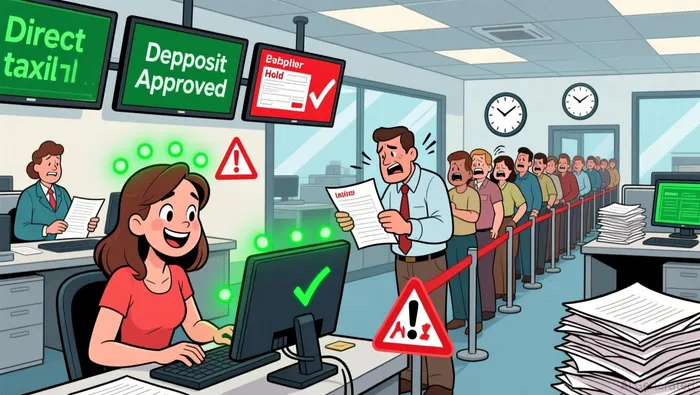
How Long Will It Take to Get My 2026 Tax Refund?
The IRS has updated its guidance for the 2026 tax season, emphasizing the speed and efficiency of electronic filing and direct deposit. Taxpayers who file electronically and select direct deposit can generally expect their refunds to be processed within 21 days. This timeline is significantly faster than for paper returns, which may take six to eight weeks to process.
However, some claims, like the Earned Income Tax Credit (EITC) or Additional Child Tax Credit (ACTC), often require additional verification and may experience delays. The IRS warns taxpayers against making major financial decisions based solely on expected refund dates, as processing times can vary. Taxpayers can use the IRS's "Where's My Refund?" tool to check the status of their return within 24 hours of e-filing.
How to Expedite Your 2026 Tax Return and Refund
For most taxpayers, the fastest way to receive a refund is by e-filing and selecting direct deposit. The IRS has eliminated paper refund checks as the default option, requiring direct deposit into a U.S. bank account for faster processing. Taxpayers who do not provide direct deposit information will receive a CP53E notice requesting the missing details or an explanation. If no action is taken, the IRS will issue a paper check after six weeks.
International taxpayers are not explicitly defined in the guidance, leaving uncertainty for cross-border assignees and global mobility programs. The IRS notes that certain exemptions will still be available for those without access to traditional banking services or who are unable to use the IRS Online Account. This transition aligns with broader federal efforts to reduce the use of paper checks for federal disbursements by the end of 2025 according to IRS press release.
What International Taxpayers and Global Mobility Programs Need to Know
The shift to electronic payments may pose challenges for international taxpayers and global mobility programs. Many of these programs rely on paper checks due to cross-border banking limitations, such as a lack of U.S. bank access or routing issues with foreign banks. The new IRS rules could lead to delays if taxpayers do not take action to provide direct deposit information or request a paper check waiver.
Taxpayers and administrators of global mobility programs may need to revise their policies and communications to ensure assignees understand how to navigate the new refund process. The IRS encourages the use of its Online Account for managing refund delivery options.
For those affected by these changes, early and accurate filing is essential to avoid delays. As the 2026 tax season progresses, more clarity may emerge about how the IRS will handle international taxpayers and cross-border refund processes. Until then, planning for potential delays and preparing all necessary information in advance is key to ensuring a smooth and timely refund experience.

Stay ahead of the market.
Get curated U.S. market news, insights and key dates delivered to your inbox.


AInvest
PRO
AInvest
PRO



Comments
No comments yet