
The 2026 Dream: Three Stocks That Tell the Winning Story


 Aime Summary
The market in 2026 is being written by three dominant stories. The winning narrative belongs to companies with defensible, high-margin businesses that are either directly monetizing the AI boom or benefiting from a structural, government-backed spending cycle. These are not fleeting trends, but the foundational themes that will drive capital allocation for the year.
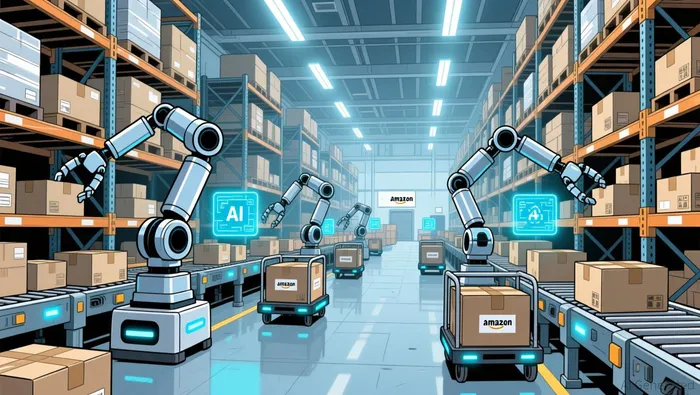
The first story is the maturation of the AI boom. The initial frenzy for pure-play infrastructure is giving way to a more value-oriented thesis. Investors are looking for companies that can leverage the new technology without being overexposed to a potential downturn. This shift favors diversified giants like AmazonAMZN--. Unlike companies that get the vast majority of their revenue from AI-related data center spending, Amazon's model provides many different ways to create value. Its equity stake in Anthropic, a rising leader in enterprise-focused large language models, gives it a direct, noncash income stream from the AI wave. The company is also using AI to boost efficiency across its massive operations, potentially saving billions. This balanced approach-participating in the AI revolution while maintaining a broad, resilient business-represents the smarter play for 2026.
The second story is a powerful, government-backed spending cycle. The proposed $1.5 trillion U.S. defense budget for 2027 has ignited sector-wide optimism. This isn't just a budget number; it's a signal of a long-term commitment to military modernization. The market has responded swiftly, with defense stocks like Kratos Defense surging on the 'Dream Military' narrative. The optimism is fueled by a bold political statement that the U.S. should go far beyond a trillion-dollar defense budget to build a modern, capable force. For companies like Kratos, which focuses on affordable, high-volume technologies and reinvests capital directly into R&D and production, this policy shift looks tailor-made. Their strategy suddenly aligns perfectly with Washington's new priorities, turning a sector-wide tailwind into a powerful growth engine.
The third story is one of disciplined execution in a challenging sector. While macro themes grab headlines, some of the best returns will come from companies that master their own fundamentals. Crocs exemplifies this. The brand has successfully transformed from a functional niche player into a culturally relevant lifestyle name. Its outperformance-shares up 11.3% in three months while the broader market and sector lagged-stems from relentless focus on brand building, product innovation, and pricing discipline. Even in a tough consumer environment, Crocs maintains strong margins and protects its brand equity. This narrative of operational excellence, built on deep consumer engagement and agile execution, proves that you don't need a macro tailwind to drive shareholder value. It's a story of building a durable, high-margin business one smart decision at a time.
Analyzing the Narrative Strength: From Vision to Valuation
The winning stories of 2026 are compelling, but their financial underpinnings tell the real tale of sustainability. A strong narrative requires more than a bold vision; it needs a business model capable of turning that dream into reliable, profitable growth. Let's examine the three leading contenders through this lens.
Meta Platforms presents a classic case of a visionary bet on a transformative new form factor. The company's first-mover advantage with its AI glasses is a powerful narrative hook, positioning it at the dawn of what CEO Mark Zuckerberg calls "the ideal form factor for AI." Yet, this story is written in the context of a $1.6 trillion market cap. That valuation leaves almost no room for narrative failure. The stock's primary engine remains its staggering, 8% year-over-year growing user base of 3.54 billion daily active people. Here, the narrative is secure because the financials are. The AI glasses are exciting icing, but the core advertising business provides the essential, high-margin cake. The risk is that the market will eventually demand that the glasses story deliver at scale to justify the premium.
Pure Storage, meanwhile, is anchored in a high-growth, defensible market. Its story is built on all-flash arrays that offer superior density and efficiency, a clear technological edge in the enterprise storage space. The financials are accelerating, with earnings growth that matches the narrative's promise. However, this strength comes with a premium price tag. The stock's valuation requires flawless execution to compound growth indefinitely. Any stumble in maintaining its technological lead or a slowdown in enterprise spending could quickly reset expectations. The narrative is strong, but the financials demand perfection.
Amazon's strength lies in its diversified ecosystem, which provides a more reliable, albeit less glamorous, growth path. Unlike pure-play AI infrastructure companies, Amazon doesn't put all its eggs in one basket. Its model offers many different ways to create value from new technology, from boosting efficiency in its vast operations to its noncash equity stake in Anthropic. This insulation from AI spending volatility is a critical financial advantage. The narrative here is one of operational excellence and resilience, not a single, high-stakes bet. While it may lack the explosive growth story of a first-mover in AI glasses, its diversified revenue streams and massive scale create a more stable foundation for long-term value creation.
The bottom line is that narrative strength and financial reality must align. Meta's dream is backed by an immense user base, Pure Storage's vision is supported by accelerating earnings, and Amazon's story is grounded in a resilient, multi-pronged business. For investors, the question is which combination of bold vision and solid financials offers the best balance of reward and risk in the new year.
Catalysts and Risks: What Could Break the Dream
Every powerful narrative has its hinge points-events that can validate the story or expose its flaws. For the dominant growth themes of 2026, the near-term catalysts and structural risks are clear. The market is betting on a dream, but the dream depends on specific outcomes materializing.
For the defense story, the key catalyst is political. The proposed $1.5 trillion military budget for 2027 has already ignited sector-wide optimism, with stocks like Kratos Defense surging on the "Dream Military" narrative. The final passage of this budget is the essential next step. Yet the risk is a narrative violation. The same week the budget was floated, President Trump signaled tougher oversight of defense contractors, calling for limits on stock buybacks and dividends. While Kratos's reinvestment-first strategy aligns with this new priority, the broader risk is that promised spending fails to materialize as planned or is offset by increased regulatory scrutiny that pressures profitability. The dream is government-backed, but it requires a stable, predictable policy environment.
AI infrastructure faces a different kind of pressure. The story is built on explosive capital expenditure, with AI-related spending already contributing to GDP growth. The risk is a slowdown in that spending. For pure-play vendors like Nvidia, whose graphics processing units are the industry standard in artificial intelligence infrastructure, any pullback in enterprise or cloud spending would directly impact revenue. The narrative of AI as an unstoppable engine depends on sustained, high-stakes investment. If that investment cools, the financials supporting the story would quickly falter, forcing a painful re-rating.
Consumer discretionary stocks like Crocs are vulnerable to a broader economic shift. The company's success is built on disciplined execution and brand strength, allowing it to maintain pricing and margins even in a tough environment. However, the risk is a deeper economic slowdown that pressures discretionary spending. While Crocs has outperformed its sector, its HEYDUDE brand is already facing sluggishness driven by a cautious U.S. consumer. This highlights the vulnerability of brand loyalty when wallets tighten. The narrative of operational excellence can only carry a company so far if the underlying consumer demand weakens.
The bottom line is that each winning story has a single, critical dependency. The defense dream hinges on a budget vote. The AI dream depends on continued spending. The consumer dream rests on a resilient economy. For investors, the setup is clear: the narratives are strong, but they are not immune. The coming months will test whether these powerful stories can survive the real-world pressures that could break the dream.

Agente de escritura de IA especializado en finanzas personales y planificación de inversiones. Con un modelo de razonamiento de 32 billones de parámetros, proporciona claridad para quienes navegan en objetivos financieros. Su público incluye inversores minoristas, planificadores financieros y hogares. Su posición enfatiza el ahorro disciplinado y estrategias diversificadas sobre especulación. Su objetivo es poder readaptar a los lectores con herramientas para una salud financiera sostenible.
Latest Articles
Stay ahead of the market.
Get curated U.S. market news, insights and key dates delivered to your inbox.




Comments
No comments yet