
The 2025 Shredded Cheese Recall and the CPG Industry's Reckoning with Supply Chain Resilience
 Aime Summary
The 2025 shredded cheese recall, , Target's Good & Gather, and Aldi's Happy Farms, has become a case study in the fragility of modern supply chains and the erosion of consumer trust in the consumer packaged goods (CPG) sector. The recall, initiated by Ohio-based Great Lakes Cheese Co. and reclassified by the FDA as a Class II event due to potential metal contamination, underscores a broader crisis in food safety oversight and operational transparency. For investors, the incident is a stark reminder that even routine products-like a bag of shredded mozzarella-can become a litmus test for corporate accountability and resilience in an era of escalating supply chain risks.
A Systemic Failure in Supply Chain Oversight
The contamination traced back to supplier raw materials, a detail that highlights a critical vulnerability in CPG operations: the overreliance on third-party suppliers and the erosion of quality control measures.
According to a report by the FDA, the recall spanned 31 U.S. states and Puerto Rico, affecting a wide array of cheese blends, including low-moisture part-skim mozzarella and Italian-style shredded mixes. This widespread distribution, combined with the delayed reclassification of the recall, raises questions about the adequacy of supplier audits and real-time monitoring systems.
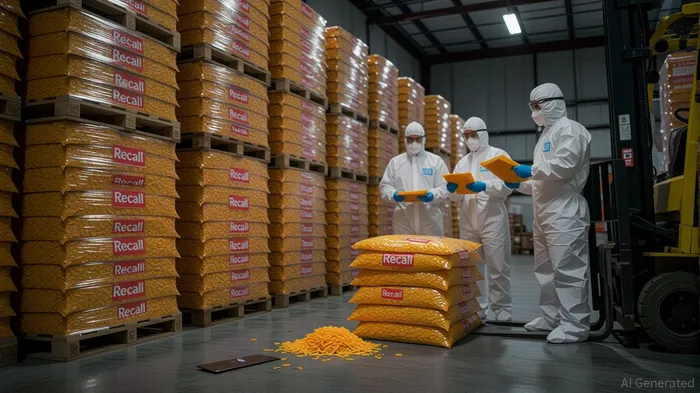
Market analysts have noted that the 2025 recall is emblematic of a troubling trend: while the number of product recall events has declined, .
As explained by a 2025 industry report, this paradox is driven by cost-cutting measures, inconsistent supplier standards, and the pressures of reshoring efforts, which have strained quality control protocols. For CPG brands, the financial and reputational fallout from such incidents is no longer confined to isolated product lines but threatens to unravel years of brand equity.
Investor Sentiment and the New Metrics of Trust
Investor perceptions of CPG brands have shifted dramatically in the wake of high-profile recalls like the 2025 cheese incident.
A report by the Consumer Brands Association highlights . , despite the firm's swift removal of affected products from shelves
according to today.com.
The incident also exposed the limitations of traditional risk management strategies. While Great Lakes Cheese Co. emphasized that "current products on sale are safe to consume"
as reported by powderbulksolids.com, the damage to brand trust was immediate. Retailers like Walmart and TargetTGT--, which rely heavily on private-label brands, faced indirect reputational risks, prompting analysts to question their supplier vetting processes. As one Wall Street strategist noted, "The CPG sector is now being judged not just on product quality but on the visibility they have into their suppliers' suppliers"
according to CRC Group.
Regulatory Uncertainty and the Path Forward
Regulatory updates in 2025 have further complicated the landscape. The FDA's reclassification of the cheese recall to Class II-despite initial voluntary action by the company-signals a tightening of enforcement standards. However,
warns that proposed budget cuts to the FDA and the departure of key CPSC commissioners could weaken oversight in the long term. This regulatory ambiguity has pushed CPG firms to adopt a dual strategy: lobbying for stricter federal guidelines while investing in proprietary risk-mitigation tools, such as AI-driven supply chain analytics and blockchain-based traceability systems.
For example, ,
a move analysts say is partly a response to the 2025 recall. Similarly, Aldi has partnered with third-party auditors to conduct unannounced inspections of its supplier facilities. These steps reflect a growing recognition that regulatory compliance alone is insufficient; investors now demand proactive, technology-enabled transparency.
Conclusion: The Cost of Trust in an Age of Recalls
The 2025 shredded cheese recall is more than a food safety incident-it is a harbinger of the challenges facing the CPG sector in an era of global supply chain volatility. For investors, the lesson is clear: brand trust is no longer a static asset but a dynamic liability that must be actively managed. As the industry grapples with the fallout, the winners will be those companies that treat supply chain resilience not as a cost center but as a strategic imperative. In the words of one market expert, "The next decade of CPG investing will be defined by who can prove they're not just reacting to crises but anticipating them"
according to consumerbrands.org.

Stay ahead of the market.
Get curated U.S. market news, insights and key dates delivered to your inbox.
AInvest
PRO
AInvest
PRO



Comments
No comments yet