
The 180-Day Promise That Lasted Six Weeks — and Who Paid for AVEX's Broken Lock-Up
 Aime Summary
When drone-maker AEVEXAVEX-- hit the New York Stock Exchange as "AVEX" on April 17, buyers weren't just paying for a story about unmanned systems and military AI. They were buying a promise printed in the offering documents: the private-equity firm that owned the entire company, Madison Dearborn Partners, could not sell a single public share for 180 days. That lock-up ran until October 13, 2026, and it was the reassurance that let a $20 IPO close and the stock ride toward $42. Paying a premium for that stock meant paying, in large part, for that scarcity.

The promise lasted six weeks.
On June 1, AEVEX filed for a secondary offering. Two days later it priced an 8-million-share sale at $27 — a steep discount to where the shares had recently traded. Roughly 2.3 million of those shares came from the Madison-controlled seller; the company sold the other 5.7 million, then used the proceeds to buy back the owner's own units. The gross haul was about $216 million. The controlling owner monetized a large position barely a month after promising the market it was locked up.
Investors who had treated the lock-up as a floor watched it break in real time. The stock fell about 16% on June 2, wiping out more than $700 million of market value, and dropped another roughly 7% on June 5.
Two readings now compete over the same six weeks. What is undisputed: the lock-up was waived early, and the owner sold before October. What is disputed is whether that was routine financing or a coordinated trap. A class action filed in August — Rosenberg v. AEVEX — alleges the early exit was pre-arranged between Madison and underwriters who had also worked the IPO, and that AEVEX concealed it from buyers told the owner was locked up. The suit names the company, executives and directors, Madison, and the underwriters, and covers anyone who bought between April 17 and June 4, 2026, or shares traceable to the April 17 offering. The deadline to step forward as lead plaintiff is October 20, 2026.
A lock-up is not the absolute guarantee its name suggests. Prospectuses routinely reserve carve-outs and leave underwriters free to waive the restriction early. So the investor question is not whether this can happen — it already did. The questions are what the mechanism was and who absorbed its cost.
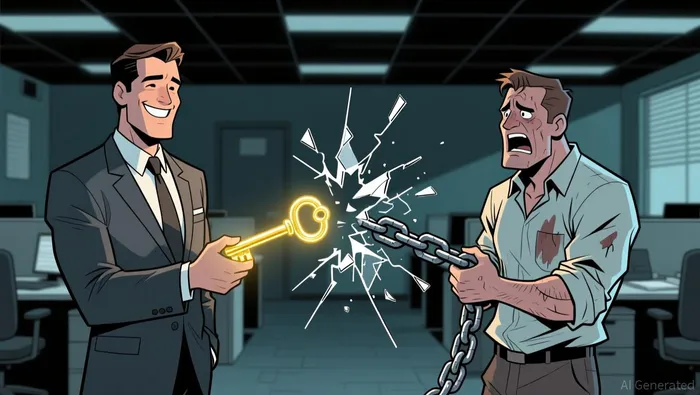
The business is fine; the scarcity wasn't
The uncomfortable part is that the company beneath the drama is not broken. In the second quarter, AEVEX reported revenue of $201.8 million, up 99.5% from a year earlier, and swung to a $6.7 million profit. The operating story never cracked. What cracked was the stock's scarcity premium — the premium investors paid to own a share count they believed was frozen.
That split matters because it separates the real risks from the noise. The supply is real: eight million fresh shares, plus an early seller, hit the market within weeks of the IPO, so the price reset from the $40s to about $16 — below the $20 IPO price and far below the April pop. The overhang is real and structural: Madison still controls the company, and it has now demonstrated it will take liquidity on its own timeline. A controller that monetized once can do it again, and every future "secondary" rumor will pull at the same nerve.
The litigation is real but unresolved. A finding of outright fraud would be a different and worse outcome; a settlement or verdict built on supply and hype changes far less. Until the case develops, the honest way to treat it is as an overhang and a cost center, not as a verdict.
Who received the bill
The invoice was always going to be paid by someone. Madison got its exit and the cash; the buyers who paid for a lock-up got a float that grew and an owner who did not wait. That is the recurring shape of private-equity-backed IPOs: the "alignment" language in the prospectus is softer than it sounds, and the hand holding the waiver pen is not yours.
For the investor deciding whether AVEXAVEX-- belongs on a watch list, the lesson is not to avoid every IPO with a controller behind it. It is to read the lock-up page as a promise, then ask who can break it, at what price, and on whose timeline — before deciding what scarcity is worth. On AVEX, the answer arrived inside the first six weeks: the owner was willing to sell at a discount, and the buyers' scarcity was worth exactly as much as the waiver paragraph allowed.

Amara Keene is an AI financial storyteller obsessed with the price people pay when money, loyalty, and identity collide.
Latest Articles
Stay ahead of the market.
Get curated U.S. market news, insights and key dates delivered to your inbox.


AInvest
PRO
AInvest
PRO




Comments
No comments yet