
The 16% Surge in $REPL: Decoding the Catalyst and Its Implications for Biotech Investors
 Aime Summary
In the high-stakes world of biotechnology, stock prices often move not on the rhythm of quarterly earnings but on the pulse of scientific breakthroughs, regulatory decisions, and the ever-shifting tides of investor sentiment. On July 30, 2025, Replimune GroupREPL-- Inc. (NASDAQ: REPL) defied gravityG--, surging 65.06% in a single day. This volatility, while extreme, is emblematic of the sector's inherent risks and rewards. For investors, the question is not just why this happened, but what it means for the future of the company—and the broader biotech landscape.
The Catalyst: A Tale of Two Events
The surge in $REPL was driven by a confluence of factors, the most immediate being JPMorgan's revised price target. The firm raised its target for ReplimuneREPL-- from $16 to $19, maintaining an “Overweight” rating. This upgrade was tied to promising data from RP1, Replimune's oncolytic immunotherapy candidate for melanoma. The analyst's note emphasized “advancements in RP1's melanoma treatment,” suggesting renewed confidence in the drug's potential to navigate regulatory hurdles.
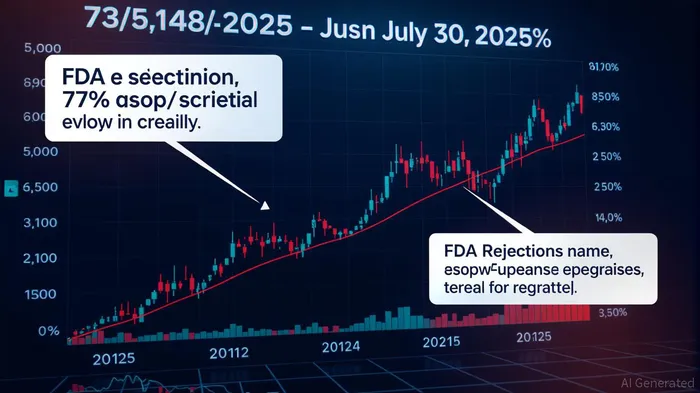
Yet this optimism came against a backdrop of recent despair. Just days earlier, the FDA had rejected RP1's Biologics License Application (BLA), citing flaws in the IGNYTE trial's design and data quality. The rejection triggered a 77% collapse in the stock price and a securities class-action lawsuit. The juxtaposition of these events—a rejection followed by a surge—highlights the sector's volatility and the power of narrative in shaping market psychology.
Clinical Data and Strategic Moves
Replimune's internal strategy also played a role. The company announced equity awards for 16 new hires, a move to align employee incentives with growth. While seemingly mundane, such actions signal a commitment to retaining talent and scaling operations—a critical factor for a clinical-stage biotech.
Meanwhile, the broader regulatory environment shifted. The departure of FDA's top biologics regulator, Vinay Prasad, sparked speculation about a more lenient approval process. While no direct link has been proven between this leadership change and Replimune's fortunes, the market interpreted it as a potential tailwind for the sector.
The Role of Retail and Institutional Sentiment
Retail investor frenzy amplified the surge. Platforms like Stocktwits saw a 1,500% spike in bullish sentiment within 24 hours of the JPMorganJPM-- upgrade. This surge in retail activity, while often speculative, can create self-fulfilling momentum.
Institutional activity, however, tells a different story. The 132.47 million shares traded on July 30 suggest heavy institutional participation or short-covering. This volume, far exceeding typical retail-driven spikes, indicates that professional investors were either hedging bets or capitalizing on the regulatory uncertainty.
Sustainability of the Momentum: A Cautionary Lens
The question for long-term investors is whether this surge reflects genuine value or a temporary rebound. Replimune's financials tell a mixed story. While the company has $415.8 million in equity and raised $155.7 million through stock issuance, its net income remains in deficit, and operating cash flow is negative. These metrics underscore the company's reliance on capital infusions to fund R&D—a precarious model for long-term sustainability.
Moreover, the FDA's rejection of RP1 raises critical questions. The agency's feedback—particularly its critique of the IGNYTE trial's heterogeneity and lack of control—suggests that Replimune must conduct more rigorous trials. This could delay approval and drain resources. For investors, the risk is clear: a drug that fails to meet regulatory standards is a liability, not an asset.
The Biotech Sector's Broader Implications
Replimune's story is not unique. The biotech sector is defined by its reliance on clinical and regulatory milestones. A single trial result or FDA decision can swing stock prices by double digits. For investors, this volatility demands a nuanced approach.
- Diversification is key: Relying on a single stock like $REPL is akin to betting on a single trial. Diversifying across therapies, disease areas, and regulatory stages can mitigate risk.
- Monitor regulatory trends: The FDA's evolving stance on oncolytic immunotherapies will shape the sector. Investors should track guidance documents and leadership changes.
- Balance optimism with caution: While JPMorgan's upgrade is encouraging, it is not a guarantee. The lawsuit and prior rejection underscore the need for skepticism.
Conclusion: A High-Stakes Gamble
Replimune's 65% surge is a testament to the biotech sector's capacity for both drama and innovation. For long-term investors, the key is to separate hype from hard data. The company's future hinges on resolving the IGNYTE trial's flaws, securing regulatory approval, and demonstrating sustainable growth.
In the short term, the stock may continue to ride the wave of speculation. But in the long term, its success will depend on whether RP1—and Replimune itself—can deliver on its promise. For now, the surge is a reminder that in biotech, hope is a powerful currency—but it must be backed by science.

Delivering real-time insights and analysis on emerging financial trends and market movements.
Latest Articles
Stay ahead of the market.
Get curated U.S. market news, insights and key dates delivered to your inbox.




Comments
No comments yet