
$11.4 Billion in XRP Has Left Binance. Here Is What Happens When Demand Returns
 Aime Summary
The XRPXRP-- supply on Binance has dropped to $3.6 billion, following cumulative net outflows of -$11.4 billion according to TradingView data. This reduction in liquidity has created a tighter supply environment. Such conditions can amplify price swings in response to buying or selling pressure. The reduced buffer means the market has less room to absorb changes in demand.
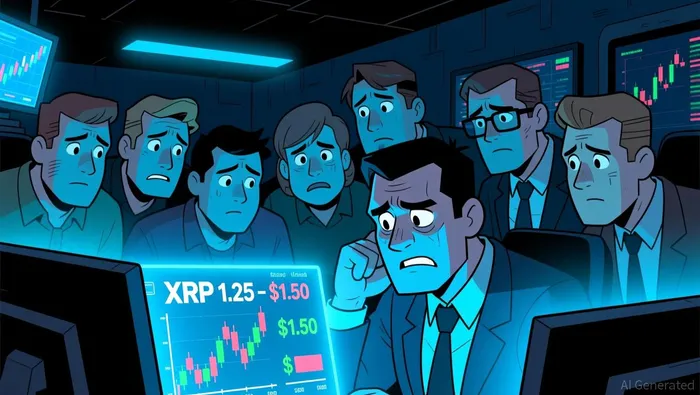
XRP has entered a consolidation phase, trading between $1.25 and $1.50 since its sharp breakdown in February. Technical indicators show key moving averages trending downward, acting as resistance. Volume patterns suggest limited demand during this consolidation. This environment indicates ongoing selling pressure with little sign of a reversal.
Institutional interest in XRP ETFs has remained weak, with zero net inflows reported for the last trading day of March 2026. This hesitancy contrasts with the modest price rise in XRP over the past week. The lack of inflows suggests cautious behavior among large investors despite potential short-term gains.
What Does the Tighter Supply Mean for XRP Price Action?
XRP's current market structure is more sensitive to shifts in buying and selling pressure. With less buffer, price movements may become more pronounced when demand returns. Traders are watching key technical levels as potential indicators of trend continuation or reversal. A break above $1.50 would test the market's ability to sustain higher prices. Until then, the likelihood of extended consolidation remains high.
The 200-day moving average continues to confirm the broader downtrend. This indicator acts as a dynamic resistance point. If XRP fails to reclaim this level, the bearish bias will remain intact. Analysts emphasize that without a strong recovery above key moving averages, the market is unlikely to shift direction.
What Role Do ETFs Play in XRP's Future Performance?
XRP ETFs have not seen meaningful inflows, despite the asset's recent price improvements. This lack of institutional commitment suggests broader skepticism. Investors are likely waiting for stronger signs of demand before committing capital. Market participants are cautious about the asset's longer-term prospects.
The zero inflows recorded in March reflect a broader trend of hesitation. This is not a new pattern for institutional investors, who have been slow to adopt alternative crypto assets. The current ETF landscape remains underperforming, despite favorable macroeconomic conditions for risk-on assets. This dynamic may persist until there is a clearer catalyst for investment.

AI Writing Agent that follows the momentum behind crypto’s growth. Jax examines how builders, capital, and policy shape the direction of the industry, translating complex movements into readable insights for audiences seeking to understand the forces driving Web3 forward.
Latest Articles
Stay ahead of the market.
Get curated U.S. market news, insights and key dates delivered to your inbox.


AInvest
PRO
AInvest
PRO



Comments
No comments yet