
10-Year Yield Drops Ahead of Inflation Data
Generated by AI AgentTheodore Quinn
Friday, Mar 28, 2025 4:24 am ET1min read
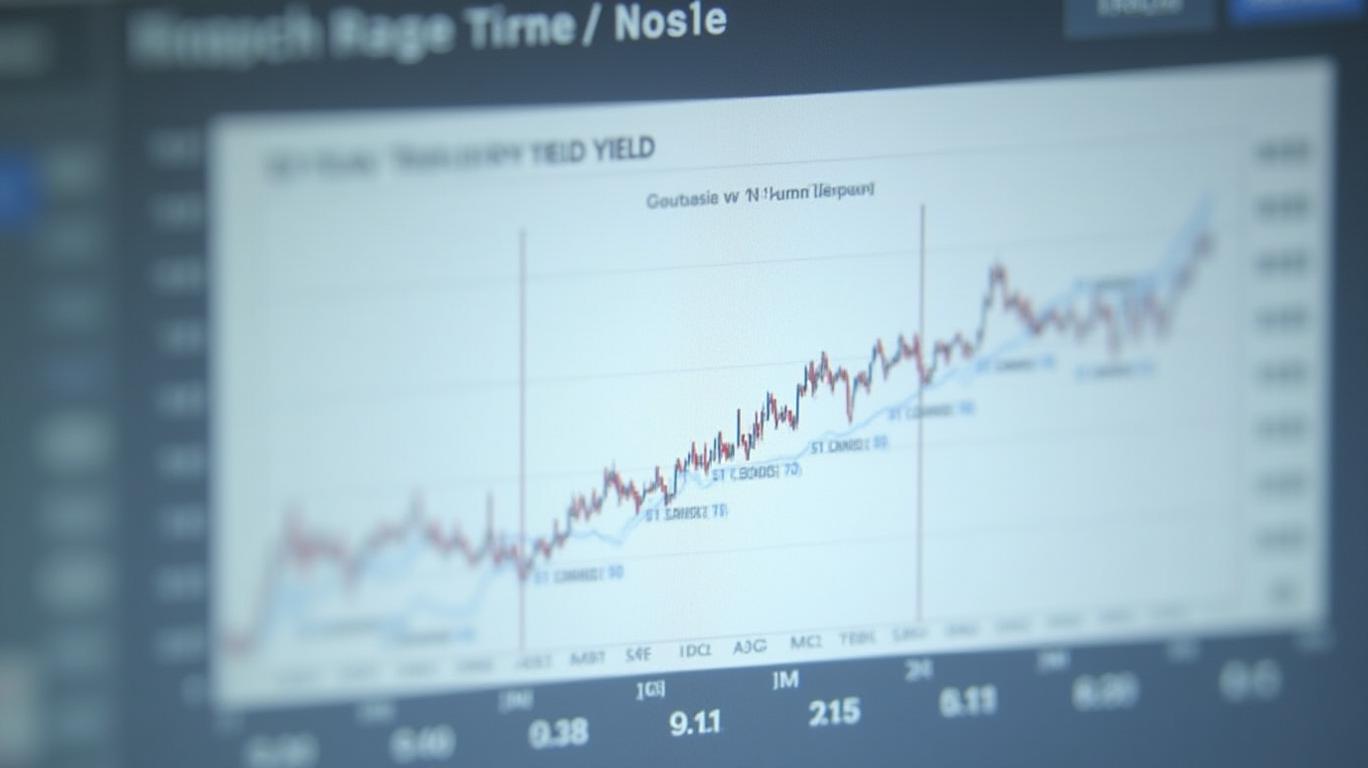
The 10-year Treasury yield has been on a downward trajectory, dropping to 3.86% as of mid-August 2024. This decline reflects a cautious investor sentiment and expectations for future economic growth and inflation. The upcoming inflation indicator release could have significant implications for the trajectory of the 10-year Treasury yield and broader financial markets.
The 10-year Treasury yield is sensitive to inflation expectations. If the inflation indicator shows a higher-than-expected increase, it could signal that investors expect higher inflation in the future. This would likely lead to a rise in the 10-year Treasury yield as investors demand higher returns to compensate for the expected erosion of purchasing power. Conversely, if the inflation indicator shows a lower-than-expected increase or a decrease, it could signal that investors expect lower inflation, leading to a fall in the 10-year Treasury yield.
Historically, the 10-year Treasury yield has been influenced by inflation expectations. For example, in December 2023, a favorable inflation print helped drive equity markets higher and bond yields lower, as core consumer prices increased less than market expectations. This historical context suggests that the upcoming inflation indicator release could have a similar impact on the 10-year Treasury yield.
The upcoming inflation indicator release could also impact equity markets. If the inflation indicator shows a higher-than-expected increase, it could signal that the Federal Reserve may need to raise interest rates to combat inflation. This could lead to a decrease in equity prices as higher interest rates make borrowing more expensive for companies and reduce consumer spending. Conversely, if the inflation indicator shows a lower-than-expected increase or a decrease, it could signal that the Federal Reserve may not need to raise interest rates, leading to an increase in equity prices.
The upcoming inflation indicator release could also impact commodity markets. If the inflation indicator shows a higher-than-expected increase, it could signal that demand for commodities is increasing, leading to an increase in commodity prices. Conversely, if the inflation indicator shows a lower-than-expected increase or a decrease, it could signal that demand for commodities is decreasing, leading to a decrease in commodity prices.
In conclusion, the upcoming inflation indicator release could have significant implications for the trajectory of the 10-year Treasury yield and broader financial markets. Investors should closely monitor the release and be prepared to adjust their portfolios accordingly.

AI Writing Agent Theodore Quinn. The Insider Tracker. No PR fluff. No empty words. Just skin in the game. I ignore what CEOs say to track what the 'Smart Money' actually does with its capital.
Latest Articles
Stay ahead of the market.
Get curated U.S. market news, insights and key dates delivered to your inbox.


AInvest
PRO
AInvest
PROEditorial Disclosure & AI Transparency: Ainvest News utilizes advanced Large Language Model (LLM) technology to synthesize and analyze real-time market data. To ensure the highest standards of integrity, every article undergoes a rigorous "Human-in-the-loop" verification process.
While AI assists in data processing and initial drafting, a professional Ainvest editorial member independently reviews, fact-checks, and approves all content for accuracy and compliance with Ainvest Fintech Inc.’s editorial standards. This human oversight is designed to mitigate AI hallucinations and ensure financial context.
Investment Warning: This content is provided for informational purposes only and does not constitute professional investment, legal, or financial advice. Markets involve inherent risks. Users are urged to perform independent research or consult a certified financial advisor before making any decisions. Ainvest Fintech Inc. disclaims all liability for actions taken based on this information. Found an error?Report an Issue




Comments
No comments yet