
10-Year Treasury Yield Rises on Geopolitical Tensions and Inflation Fears
 Aime Summary
U.S. Treasury yields rose on March 2, 2026, as geopolitical tensions intensified after U.S. and Israeli strikes against Iran. Rising oil prices and inflationary pressures are pushing investors away from traditional safe-haven assets like U.S. Treasuries. , , signaling shifting market expectations for Fed rate cuts.
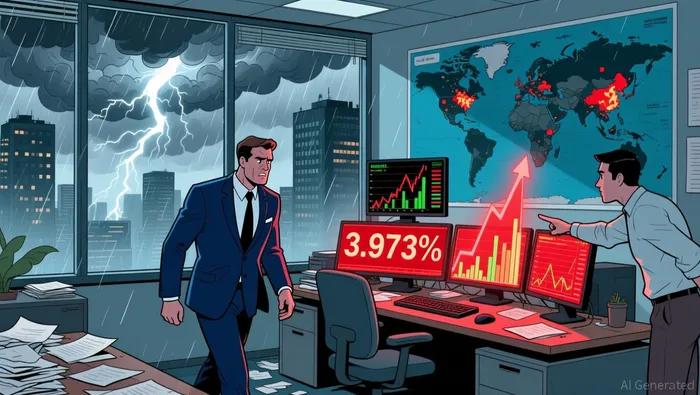
The 10-year Treasury yield is climbing amid a volatile geopolitical environment and growing inflation concerns. On March 2, 2026, the U.S. and Israel launched coordinated attacks on Iran, killing Supreme Leader and over 200 others, triggering retaliatory strikes from Iran. These developments are driving oil prices higher and disrupting global energy markets, which in turn is elevating inflation expectations and shifting investor sentiment according to CNBC reporting. The 10-year yield rose 1 basis point to 3.973%, as reported. The move reflects a pivot from traditional flight-to-safety dynamics to concerns about inflation and the potential for prolonged economic disruption.
Why Is the 10-Year Treasury Yield Rising Amid Geopolitical Tensions?
The surge in the 10-year Treasury yield is being driven by rising oil prices and inflation expectations, not by a classic flight to safety. Typically, in times of geopolitical turmoil, investors would flee to U.S. Treasuries as a haven. However, this time, the market is reacting differently. , the inflationary pressure became more pressing according to WTTW reporting. This shift has pushed investors to reduce their expectations for Federal Reserve rate cuts in 2026, with traders now pricing in around two quarter-point cuts by year-end, pushing a possible third reduction into 2027 as Yahoo Finance reports. The risk of inflation has dominated the fixed-income outlook, and the 10-year yield is now trading closer to 4% according to Bloomberg.
In addition to the immediate price action, the conflict is having broader fiscal implications. The U.S. . At the same time, defense spending is rising, with military operations expected to continue for four to five weeks. as Bitget reports.
What Do Rising Treasury Yields Mean for Investors?
The shift in Treasury yields has important implications for investors across multiple asset classes. Higher yields tend to correlate with higher inflation and lower growth expectations, which can weigh on equities, especially those in sectors that are sensitive to interest rates and energy prices. For example, airlines and cruise lines are seeing significant stock declines as fuel costs rise, while energy and defense companies are benefiting according to WTTW.
In bond markets, the rise in yields has led to a re-evaluation of portfolio strategies. Some investors are moving toward longer-dated Treasuries to hedge against inflation, while others are reducing their exposure to traditional safe-haven assets altogether as Yahoo Finance reports. The 10-year Treasury futures market, a key tool for hedging and risk management, is experiencing increased volatility as investors prepare for extended uncertainty .
The Federal Reserve's ability to cut interest rates is also being curtailed by the inflationary environment. With oil prices surging and energy costs rising, the central bank's room to ease monetary policy is shrinking. This dynamic could prolong higher-for-longer rates and limit the Fed's ability to stimulate the economy in the event of a slowdown.
What to Watch Next in the 10-Year Treasury Yield Story
Investors should closely monitor several key developments in the coming weeks. The most immediate are the upcoming economic data releases, including the ISM manufacturing report, ADP employment figures, and February's jobs data. These numbers will provide further insight into the health of the U.S. economy and how it is being affected by the conflict and rising inflation according to CNBC.
The oil market will also be a critical factor. If the Strait of Hormuz remains closed or if further attacks disrupt regional infrastructure, oil prices could continue to climb, pushing inflation higher and keeping pressure on the 10-year yield. Analysts at have modeled both a limited escalation and a global oil shock scenario, with the former being the most likely at this stage according to their analysis.
Finally, the U.S. government's fiscal position is worth watching. . , growth, and fiscal policy, and it will continue to be a key indicator for investors in the coming months as Bitget reports.

Stay ahead of the market.
Get curated U.S. market news, insights and key dates delivered to your inbox.


AInvest
PRO
AInvest
PRO



Comments
No comments yet