
🔥From +10% to -10%! What Happened to Silver?
 Aime Summary
Silver experienced a rollercoaster ride on Monday, rising nearly 10% earlier in the day, only to drop by 10% shortly after. What triggered this extreme volatility?
Alexander Campbell, founder and CEO of Black Snow Capital and former global macro investor at Bridgewater Associates, pointed out several key pressures on the precious metals market, including tax-related selling, a rebound in the dollar, margin hikes, technical overbought conditions, and the threat of copper substitution.
The primary risk came from margin hikes. CME GroupCME-- announced that the margin on some Comex silver futures contracts would be increased to 17% of the nominal value. This move is aimed at reducing speculative trading.
Another risk is tax-driven selling. Investors holding significant unrealized gains face short-term capital gains taxes if they sell before December 31. This means that investors may hold off on selling during the last three trading days of 2025, but a concentrated profit-taking wave may occur in 2026. To avoid post-year-end sell-offs, some chose to exit early.
A third risk is the strengthening dollar. Recent GDP data showed strong U.S. economic growth, and coupled with a significant devaluation of the dollar in 2025, a short-term rebound in the dollar could exert pressure on dollar-denominated commodities, especially precious metals.
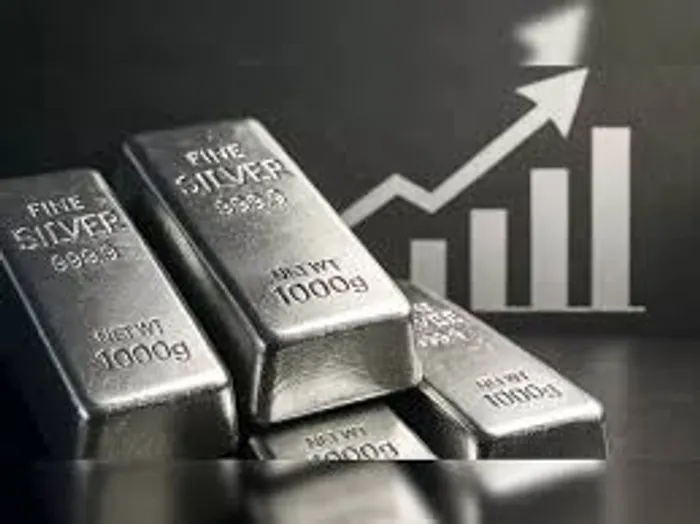
The fourth risk comes from technical factors. Many analysts noted that silver is now in the "overbought" territory, and technical selling could trigger further declines. However, Campbell questioned this technical analysis, arguing that silver’s price increase was driven more by rigid demand in the solar industry and supply shortages, rather than purely technical speculation.
The fifth risk is copper substitution. As silver prices surge, solar manufacturers may consider switching to copper. Although Campbell acknowledged that copper would take at least four years to replace silver in industrial applications, the surge in silver prices could trigger technical selling in the short term.
Finally, JPMorgan's December 12th report pointed out that the Bloomberg Commodity Index will undergo its annual rebalancing in January 2026. Due to the strong performance of gold and silver over the last three years, their weight in the index has risen to unsustainable levels. Passive funds tracking the index will be forced to sell silver futures to restore balance.
JPMorgan estimates that silver will face around 9% of its total open interest in futures being sold off, with gold facing a 3% sell-off. This forced selling will occur during the index roll period from January 8-14, 2026. With over $60 billion in assets tracking the Bloomberg Commodity Index, the scale of this sell-off should not be underestimated.
Long-Term Bullish Drivers for Silver Still Exist
Despite the short-term risks, the long-term bullish drivers for silver remain intact. For instance, the solar industry is projected to demand 290 million ounces of silver in 2025, with demand expected to rise to 450 million ounces by 2030. Campbell noted that the breakeven point for the solar industry is $134 per ounce, about 70% higher than the current spot price.
Additionally, the growing power demands from data centers and artificial intelligence further reinforce this demand: "Each AI query requires electronics, and the marginal electronics come from solar power, which needs silver."
From a financial perspective, while global central bank silver reserves are still small, they are rapidly growing. Countries such as Russia and India have explicitly included silver in their foreign reserves.

Senior Research Analyst at Ainvest, formerly with Tiger Brokers for two years. Over 10 years of U.S. stock trading experience and 8 years in Futures and Forex. Graduate of University of South Wales.
Latest Articles
Stay ahead of the market.
Get curated U.S. market news, insights and key dates delivered to your inbox.




Comments
No comments yet