
New York students face new phone ban in schools, echoing Connecticut's success
작성AInvest
2025년 8월 6일 수요일 오후 1:46 ET2분 읽기
ABNB--
As of Tuesday afternoon, about 200 schools had yet to submit their plans to comply with the new law, according to Hochul's office. The deadline for submissions was Friday, and the plans are currently being reviewed. The state has received just over 900 of about 1,100 required plans from public schools, charters, and BOCES, which represents approximately 81% of the total submissions needed [1].
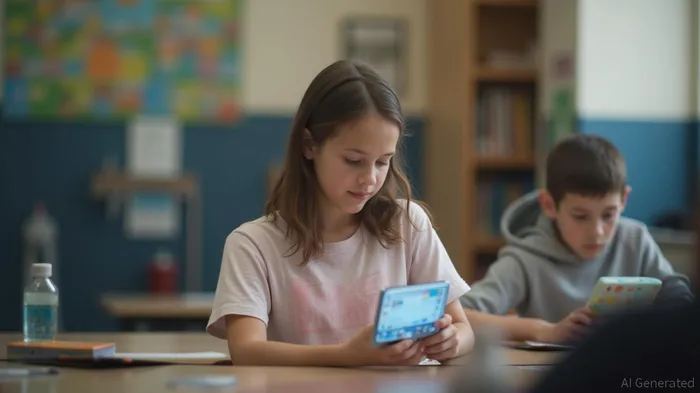
The ban includes smartphones, watches, and other internet-connected devices. Schools are required to come up with a plan to store these devices, with options including lockers, cubbies, or lockable pouches. The state budget included $13.5 million to help schools purchase necessary equipment, but this funding has not yet been distributed [1].
Senate Education Committee chair Shelley Mayer has expressed optimism about the ban, stating that "parents and students should know, do not bring your phone to school thinking you're going to have access during the day—you're not" [1]. There are exceptions for students with health issues or who are caretakers of children or other relatives.
The policy lacks detail about consequences for districts that fail to file a plan before the academic year begins, but Education Committee chair Michael Benedetto has expressed concern about the abbreviated timeline for implementation. Benedetto noted that the policy could have been more effectively rolled out, perhaps with a later start date [1].
The ban is expected to have a significant impact on schools' technology infrastructure and may require additional funding for storage solutions and staff training. The lack of immediate funding distribution has raised questions about how schools will manage the transition.
In a separate development, Airbnb has been actively engaging with New York City mayoral candidates, spending over $10 million to promote homesharing-friendly policies. The company has argued that the current restrictions on short-term rentals have negatively impacted residents' ability to supplement their incomes and have exacerbated housing affordability issues [2].
The New York State Council of School Superintendents has expressed confidence that school officials will submit their plans and comply with the new law. Deputy Director Bob Lowry has spoken with superintendents in several districts who had scheduling conflicts for school boards to vote on a plan before the Aug. 1 deadline [1].
The ban is part of a broader trend across the United States, where cities are grappling with the regulation of short-term rentals and their impact on housing affordability. Chicago, for example, has implemented restrictions on short-term rentals within apartment buildings and requires city approval and registration [2].
The policy's success will depend on effective implementation and the support of schools, teachers, and parents. The lack of immediate funding distribution raises concerns about how schools will manage the transition, but the state's focus on compliance and support suggests a commitment to the policy's success.
References:
[1] https://spectrumlocalnews.com/nys/central-ny/politics/2025/08/05/about-20--of-n-y--schools-late-to-submit-cell-phone-ban-plans
[2] https://www.businesstimes.com.sg/property/airbnb-touts-good-talks-new-york-city-mayor-candidates-rental-ban
New York state has banned smartphones and other internet-enabled devices from public schools starting September 4. The ban aims to reduce distractions and improve learning outcomes, as teenagers receive an average of 250 notifications daily. Schools are required to come up with a plan to store devices, with options including lockers, cubbies, or lockable pouches. The $25 million needed for this initiative hasn't been distributed yet.
New York State is set to implement a statewide ban on smartphones and other internet-enabled devices in public schools starting September 4. The initiative aims to reduce distractions and improve learning outcomes, as teenagers receive an average of 250 notifications daily. The ban, which was signed into law by Governor Kathy Hochul on May 9, is part of the state's efforts to address the growing issue of digital distractions in the classroom.As of Tuesday afternoon, about 200 schools had yet to submit their plans to comply with the new law, according to Hochul's office. The deadline for submissions was Friday, and the plans are currently being reviewed. The state has received just over 900 of about 1,100 required plans from public schools, charters, and BOCES, which represents approximately 81% of the total submissions needed [1].
The ban includes smartphones, watches, and other internet-connected devices. Schools are required to come up with a plan to store these devices, with options including lockers, cubbies, or lockable pouches. The state budget included $13.5 million to help schools purchase necessary equipment, but this funding has not yet been distributed [1].
Senate Education Committee chair Shelley Mayer has expressed optimism about the ban, stating that "parents and students should know, do not bring your phone to school thinking you're going to have access during the day—you're not" [1]. There are exceptions for students with health issues or who are caretakers of children or other relatives.
The policy lacks detail about consequences for districts that fail to file a plan before the academic year begins, but Education Committee chair Michael Benedetto has expressed concern about the abbreviated timeline for implementation. Benedetto noted that the policy could have been more effectively rolled out, perhaps with a later start date [1].
The ban is expected to have a significant impact on schools' technology infrastructure and may require additional funding for storage solutions and staff training. The lack of immediate funding distribution has raised questions about how schools will manage the transition.
In a separate development, Airbnb has been actively engaging with New York City mayoral candidates, spending over $10 million to promote homesharing-friendly policies. The company has argued that the current restrictions on short-term rentals have negatively impacted residents' ability to supplement their incomes and have exacerbated housing affordability issues [2].
The New York State Council of School Superintendents has expressed confidence that school officials will submit their plans and comply with the new law. Deputy Director Bob Lowry has spoken with superintendents in several districts who had scheduling conflicts for school boards to vote on a plan before the Aug. 1 deadline [1].
The ban is part of a broader trend across the United States, where cities are grappling with the regulation of short-term rentals and their impact on housing affordability. Chicago, for example, has implemented restrictions on short-term rentals within apartment buildings and requires city approval and registration [2].
The policy's success will depend on effective implementation and the support of schools, teachers, and parents. The lack of immediate funding distribution raises concerns about how schools will manage the transition, but the state's focus on compliance and support suggests a commitment to the policy's success.
References:
[1] https://spectrumlocalnews.com/nys/central-ny/politics/2025/08/05/about-20--of-n-y--schools-late-to-submit-cell-phone-ban-plans
[2] https://www.businesstimes.com.sg/property/airbnb-touts-good-talks-new-york-city-mayor-candidates-rental-ban


편집 공시 및 AI 투명성: Ainvest News는 대규모 언어 모델(LLM) 기술을 활용해 실시간 시장 데이터를 통합·분석합니다. 최고 수준의 정직성을 보장하기 위해 모든 기사는 엄격한 "Human-in-the-loop(인간 검증)" 절차를 거칩니다.
AI가 데이터 처리 및 초안 작성을 보조하지만, Ainvest 전문 편집 구성원이 모든 콘텐츠를 독립적으로 검토·팩트 체크·승인하여 정확성과 Ainvest Fintech Inc.의 편집 기준 준수를 확인합니다. 이러한 인간의 감독은 AI 환각을 완화하고 금융 맥락을 확보하기 위한 것입니다.
투자 유의: 본 콘텐츠는 정보 제공 목적으로만 제공되며 전문적인 투자·법률·재무 자문을 구성하지 않습니다. 시장에는 고유한 위험이 있습니다. 의사 결정 전에 사용자는 자체 연구를 수행하거나 자격을 갖춘 재무 고문과 상담할 것을 권장합니다. Ainvest Fintech Inc.는 본 정보를 바탕으로 한 조치에 대한 모든 책임을 부인합니다. 오류를 발견하셨나요?문제 신고


우리에게 연락하십시오
Email: support@ainvest.com, editorial@ainvest.com, corrections@ainvest.com, press@ainvest.com, legal@ainvest.com
Copyright 2026 AInvest Fintech Inc. All rights reserved.



댓글
아직 댓글이 없습니다