
Stellantis Halts Self-Driving Car Plans Amid Consumer Trust Concerns.
작성AInvest
2025년 8월 31일 일요일 오전 9:58 ET2분 읽기
STLA--
The Level 3 driver-assistance system was designed to enable hands-free and eyes-off driving under certain conditions, allowing drivers to engage in non-driving tasks such as streaming or emailing. However, the program faced significant hurdles, including high costs, technical complexities, and uncertain market demand. Stellantis has confirmed that the technology remains viable but will not be deployed in the near future [1].
The pause in development reflects broader challenges facing legacy automakers as they compete with tech-focused companies like Tesla and Chinese EV brands in the software-defined vehicle space. Traditional automakers often struggle with cost overruns, talent shortages, and entrenched corporate structures when investing in advanced driver-assistance systems (ADAS) and over-the-air update capabilities [1].
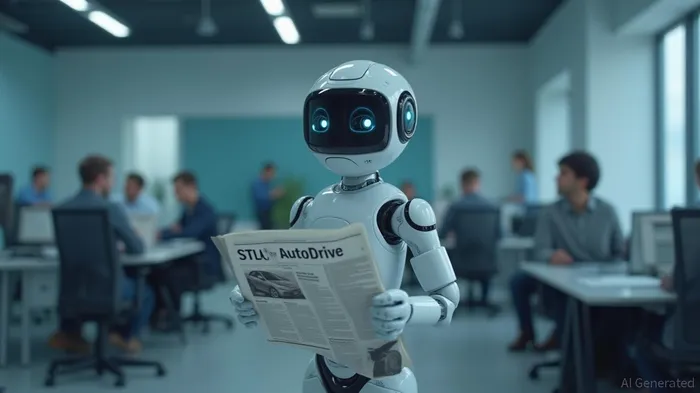
Stellantis is now shifting its focus to external suppliers, notably aiMotive, a startup it acquired in 2022. The company plans to leverage this partnership to develop the next phase of AutoDrive, which is one of three technology pillars in its STLA ABC platform [1]. The decision to shelve the Level 3 program comes at a challenging time for Stellantis, but it also frees up resources for more immediate priorities, such as electric vehicle production [1].
The automotive industry is closely watching Stellantis' strategic pivot and how it navigates towards a more autonomous future. The pause in the Level 3 program could free up resources for more immediate priorities, such as electric vehicle production. However, it also risks ceding ground to competitors that continue to invest in and deploy advanced driver-assistance technologies [1].
Stellantis’ decision may prompt other manufacturers to reassess their autonomous ambitions, especially as costs spiral and consumer adoption lags. The recent AAA poll shows that only 13% of Americans trust self-driving cars, with 61% expressing fear about riding in one. This has led to a reevaluation of the program's market demand, with Stellantis stating that the technology is available but not currently in demand [2].
The decision to pause the programme, as reported by multiple sources, arises from a confluence of factors including prohibitive development costs, formidable technological complexities, and tepid consumer demand [3]. The six levels of automation, as defined by the Society of Automotive Engineers, range from no driving automation (Level 0) to full driving automation (Level 5), with Level 3 representing conditional automation where the vehicle handles most tasks but requires human intervention when prompted [2].
Overall, this episode underscores the volatile nature of automotive technology development, where bold visions must contend with real-world constraints, and Stellantis’s path forward will be closely watched as the industry navigates towards a more autonomous future [2].
References:
[1] https://www.ainvest.com/news/stellantis-abandons-level-3-driver-assistance-program-due-high-costs-technical-challenges-2508/
[2] https://www.fleetpoint.org/autonomous-vehicles/self-driving-vehicles/stellantis-shelves-level-3-self-driving-program/
[3] https://www.autobodynews.com/news/stellantis-shelves-level-3-autodrive-amid-cost-demand-pressures
Stellantis is reportedly shelving its STLA AutoDrive Level 3 ADAS program due to high costs, technological challenges, and concerns about consumer trust in self-driving technology. A recent AAA poll shows that only 13% of Americans trust self-driving cars, with 61% expressing fear about riding in one. This has led to a reevaluation of the program's market demand, with Stellantis stating that the technology is available but not currently in demand.
Stellantis, the parent company of Jeep, Dodge, and Chrysler, has announced the indefinite suspension of its STLA AutoDrive Level 3 driver-assistance program. The decision comes amidst escalating development costs, technical challenges, and subdued consumer interest in advanced driving technologies [1]. The company has faced declining revenue, negative earnings per share, and a high debt-to-equity ratio, which has put pressure on its financial health [1].The Level 3 driver-assistance system was designed to enable hands-free and eyes-off driving under certain conditions, allowing drivers to engage in non-driving tasks such as streaming or emailing. However, the program faced significant hurdles, including high costs, technical complexities, and uncertain market demand. Stellantis has confirmed that the technology remains viable but will not be deployed in the near future [1].
The pause in development reflects broader challenges facing legacy automakers as they compete with tech-focused companies like Tesla and Chinese EV brands in the software-defined vehicle space. Traditional automakers often struggle with cost overruns, talent shortages, and entrenched corporate structures when investing in advanced driver-assistance systems (ADAS) and over-the-air update capabilities [1].
Stellantis is now shifting its focus to external suppliers, notably aiMotive, a startup it acquired in 2022. The company plans to leverage this partnership to develop the next phase of AutoDrive, which is one of three technology pillars in its STLA ABC platform [1]. The decision to shelve the Level 3 program comes at a challenging time for Stellantis, but it also frees up resources for more immediate priorities, such as electric vehicle production [1].
The automotive industry is closely watching Stellantis' strategic pivot and how it navigates towards a more autonomous future. The pause in the Level 3 program could free up resources for more immediate priorities, such as electric vehicle production. However, it also risks ceding ground to competitors that continue to invest in and deploy advanced driver-assistance technologies [1].
Stellantis’ decision may prompt other manufacturers to reassess their autonomous ambitions, especially as costs spiral and consumer adoption lags. The recent AAA poll shows that only 13% of Americans trust self-driving cars, with 61% expressing fear about riding in one. This has led to a reevaluation of the program's market demand, with Stellantis stating that the technology is available but not currently in demand [2].
The decision to pause the programme, as reported by multiple sources, arises from a confluence of factors including prohibitive development costs, formidable technological complexities, and tepid consumer demand [3]. The six levels of automation, as defined by the Society of Automotive Engineers, range from no driving automation (Level 0) to full driving automation (Level 5), with Level 3 representing conditional automation where the vehicle handles most tasks but requires human intervention when prompted [2].
Overall, this episode underscores the volatile nature of automotive technology development, where bold visions must contend with real-world constraints, and Stellantis’s path forward will be closely watched as the industry navigates towards a more autonomous future [2].
References:
[1] https://www.ainvest.com/news/stellantis-abandons-level-3-driver-assistance-program-due-high-costs-technical-challenges-2508/
[2] https://www.fleetpoint.org/autonomous-vehicles/self-driving-vehicles/stellantis-shelves-level-3-self-driving-program/
[3] https://www.autobodynews.com/news/stellantis-shelves-level-3-autodrive-amid-cost-demand-pressures


편집 공시 및 AI 투명성: Ainvest News는 대규모 언어 모델(LLM) 기술을 활용해 실시간 시장 데이터를 통합·분석합니다. 최고 수준의 정직성을 보장하기 위해 모든 기사는 엄격한 "Human-in-the-loop(인간 검증)" 절차를 거칩니다.
AI가 데이터 처리 및 초안 작성을 보조하지만, Ainvest 전문 편집 구성원이 모든 콘텐츠를 독립적으로 검토·팩트 체크·승인하여 정확성과 Ainvest Fintech Inc.의 편집 기준 준수를 확인합니다. 이러한 인간의 감독은 AI 환각을 완화하고 금융 맥락을 확보하기 위한 것입니다.
투자 유의: 본 콘텐츠는 정보 제공 목적으로만 제공되며 전문적인 투자·법률·재무 자문을 구성하지 않습니다. 시장에는 고유한 위험이 있습니다. 의사 결정 전에 사용자는 자체 연구를 수행하거나 자격을 갖춘 재무 고문과 상담할 것을 권장합니다. Ainvest Fintech Inc.는 본 정보를 바탕으로 한 조치에 대한 모든 책임을 부인합니다. 오류를 발견하셨나요?문제 신고


우리에게 연락하십시오
Email: support@ainvest.com, editorial@ainvest.com, corrections@ainvest.com, press@ainvest.com, legal@ainvest.com
Copyright 2026 AInvest Fintech Inc. All rights reserved.



댓글
아직 댓글이 없습니다