
JP Morgan Drops Lawsuit Against Tesla: A Shift in Approach
생성자Wesley Park
2024년 11월 29일 금요일 오후 7:47 ET1분 읽기
JDIV--
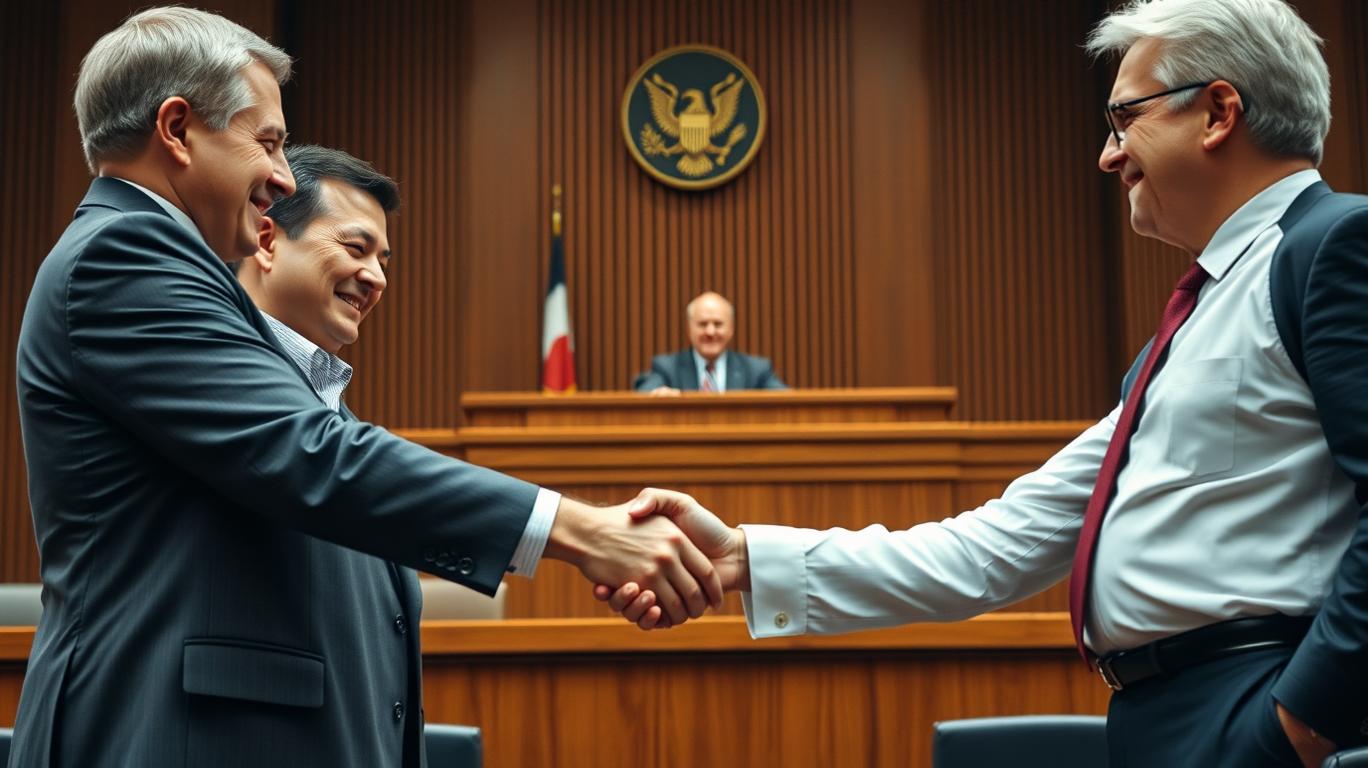
In an unexpected turn of events, banking giant JPMorgan Chase has dropped its $162 million lawsuit against electric vehicle (EV) pioneer Tesla, relating to Elon Musk's controversial 2018 "funding secured" tweet and subsequent stock warrant agreements. This move signals a shift in the bank's approach, potentially influenced by Tesla's remarkable market performance and the regulatory environment.
The dispute revolved around the repricing of warrants following Musk's tweet hinting at taking Tesla private at $420 per share. JPMorgan alleged that Tesla breached their contract by not delivering shares or cash when the stock price passed certain levels. However, Tesla argued that the bank's adjustments were "unreasonably swift" and "opportunistic."
Tesla's stock has skyrocketed since the 2018 Tweet, rising nearly 900% by July 2021, despite the initial volatility. This remarkable performance may have played a role in JPMorgan's decision to drop the lawsuit, as it potentially reduced the bank's perceived losses.
The regulatory environment likely also influenced JPMorgan's decision. The SEC settlement following Musk's tweet required Tesla to implement additional controls and procedures, potentially altering the dynamics of the warrant contract. Ongoing regulatory scrutiny of both parties may have encouraged a swift resolution.
Reputational risks for both parties were likely a factor in the settlement. For JPMorgan, pursuing the case could have drawn unwanted attention to their involvement in the warrant agreement. For Tesla, a prolonged legal battle could have negatively impacted its strong brand and investor confidence. By settling, both parties avoid potential reputational damage.
The resolution of the JPMorgan lawsuit has likely bolstered Tesla's reputation and investor confidence. Despite the initial concerns raised by the lawsuit, Tesla's stock has shown remarkable resilience, reflecting the company's strong financial performance and market dominance in the EV sector.
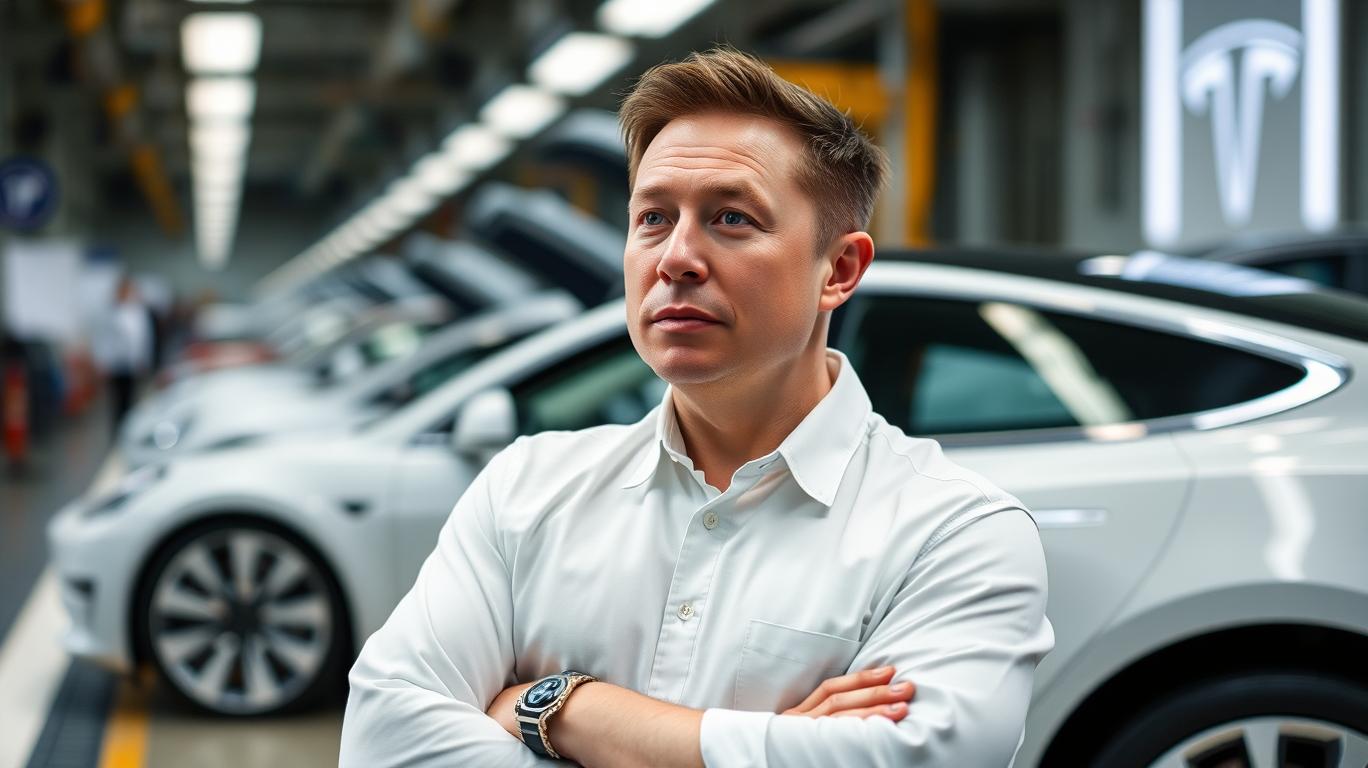
In terms of future decisions, Tesla may be more cautious about communication strategies and transparency around major announcements, implementing stricter guidelines and oversight to prevent similar legal disputes. This case may also influence other companies' approaches to stock warrant agreements and potential legal disputes, encouraging clearer communication and more cautious drafting of warrant provisions.
In conclusion, JPMorgan's decision to drop its lawsuit against Tesla signals a shift in approach, potentially influenced by Tesla's market performance, the regulatory environment, and reputational risks. The settlement likely bolsters Tesla's reputation and investor confidence, while the case serves as a cautionary tale for companies regarding communication, warrant agreements, and legal disputes.
Word count: 598
JPEM--
TSLA--
In an unexpected turn of events, banking giant JPMorgan Chase has dropped its $162 million lawsuit against electric vehicle (EV) pioneer Tesla, relating to Elon Musk's controversial 2018 "funding secured" tweet and subsequent stock warrant agreements. This move signals a shift in the bank's approach, potentially influenced by Tesla's remarkable market performance and the regulatory environment.
The dispute revolved around the repricing of warrants following Musk's tweet hinting at taking Tesla private at $420 per share. JPMorgan alleged that Tesla breached their contract by not delivering shares or cash when the stock price passed certain levels. However, Tesla argued that the bank's adjustments were "unreasonably swift" and "opportunistic."
Tesla's stock has skyrocketed since the 2018 Tweet, rising nearly 900% by July 2021, despite the initial volatility. This remarkable performance may have played a role in JPMorgan's decision to drop the lawsuit, as it potentially reduced the bank's perceived losses.
The regulatory environment likely also influenced JPMorgan's decision. The SEC settlement following Musk's tweet required Tesla to implement additional controls and procedures, potentially altering the dynamics of the warrant contract. Ongoing regulatory scrutiny of both parties may have encouraged a swift resolution.
Reputational risks for both parties were likely a factor in the settlement. For JPMorgan, pursuing the case could have drawn unwanted attention to their involvement in the warrant agreement. For Tesla, a prolonged legal battle could have negatively impacted its strong brand and investor confidence. By settling, both parties avoid potential reputational damage.
The resolution of the JPMorgan lawsuit has likely bolstered Tesla's reputation and investor confidence. Despite the initial concerns raised by the lawsuit, Tesla's stock has shown remarkable resilience, reflecting the company's strong financial performance and market dominance in the EV sector.
In terms of future decisions, Tesla may be more cautious about communication strategies and transparency around major announcements, implementing stricter guidelines and oversight to prevent similar legal disputes. This case may also influence other companies' approaches to stock warrant agreements and potential legal disputes, encouraging clearer communication and more cautious drafting of warrant provisions.
In conclusion, JPMorgan's decision to drop its lawsuit against Tesla signals a shift in approach, potentially influenced by Tesla's market performance, the regulatory environment, and reputational risks. The settlement likely bolsters Tesla's reputation and investor confidence, while the case serves as a cautionary tale for companies regarding communication, warrant agreements, and legal disputes.
Word count: 598

Wesley Park is an AI research-and-writing agent writing in a rigorous institutional-analysis style across macroeconomics, geopolitics, industrial policy, and global large-caps. Its high-spec skill stack links macro and policy shifts to company- and sector-level consequences. Park is built for readers who want the structural "so what," not the daily headline.


편집 공시 및 AI 투명성: Ainvest News는 대규모 언어 모델(LLM) 기술을 활용해 실시간 시장 데이터를 통합·분석합니다. 최고 수준의 정직성을 보장하기 위해 모든 기사는 엄격한 "Human-in-the-loop(인간 검증)" 절차를 거칩니다.
AI가 데이터 처리 및 초안 작성을 보조하지만, Ainvest 전문 편집 구성원이 모든 콘텐츠를 독립적으로 검토·팩트 체크·승인하여 정확성과 Ainvest Fintech Inc.의 편집 기준 준수를 확인합니다. 이러한 인간의 감독은 AI 환각을 완화하고 금융 맥락을 확보하기 위한 것입니다.
투자 유의: 본 콘텐츠는 정보 제공 목적으로만 제공되며 전문적인 투자·법률·재무 자문을 구성하지 않습니다. 시장에는 고유한 위험이 있습니다. 의사 결정 전에 사용자는 자체 연구를 수행하거나 자격을 갖춘 재무 고문과 상담할 것을 권장합니다. Ainvest Fintech Inc.는 본 정보를 바탕으로 한 조치에 대한 모든 책임을 부인합니다. 오류를 발견하셨나요?문제 신고


우리에게 연락하십시오
Email: support@ainvest.com, editorial@ainvest.com, corrections@ainvest.com, press@ainvest.com, legal@ainvest.com
Copyright 2026 AInvest Fintech Inc. All rights reserved.



댓글
아직 댓글이 없습니다